
Conditions
Frozen Shoulder
One-on-one care for frozen shoulder in a private South Natick studio: a full session with a Doctor of Physical Therapy every visit, for people who want to reach the top shelf, fasten a seatbelt, and sleep on that side again.
A shoulder that has stopped moving needs more than a stretch sheet
Frozen shoulder is different from most shoulder pain. The joint capsule itself tightens, so the arm loses motion in every direction, and the usual advice to rest it makes it worse. It tends to come on slowly, hurt badly at night, and then settle into a stiffness that quietly takes things away: reaching behind you, putting on a coat, a golf swing.
Shoulder care here is led by clinicians with advanced residency training at the Institute of Orthopedic Manual Therapy and board certification as Orthopedic Clinical Specialists. Every session is one-on-one for the full visit, which matters for a frozen shoulder: the hands-on work that restores capsule motion cannot be handed to an aide or a printout.
In Massachusetts you have direct access: no physician referral is needed to start. If your evaluation shows something outside the scope of physical therapy, we will tell you and point you to the right practitioner.
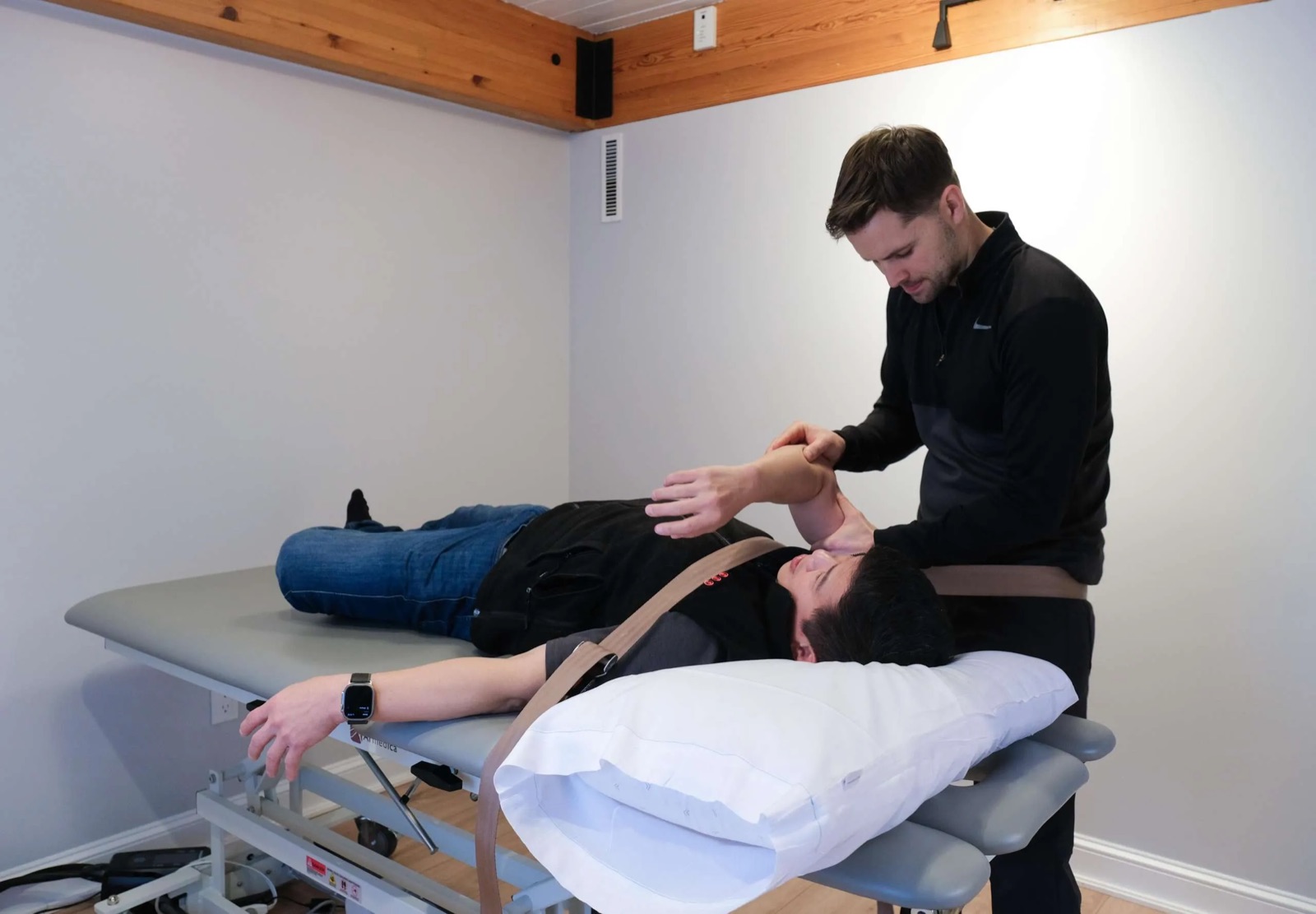
Mobilize what's tight. Strengthen what's weak.
With a frozen shoulder the first job is motion, measured every session, and the second is making sure the muscles around the joint are ready to use that motion as it comes back. Treatment works both every visit, matched to which phase you are in.
Hands-on treatment for what's tight
Restoring motion in the capsule and the tissue around it:
- Joint mobilization of the shoulder capsule
- Mobilization of the shoulder blade and thoracic spine
- Instrument-assisted soft tissue mobilization (Graston)
- Deep tissue massage
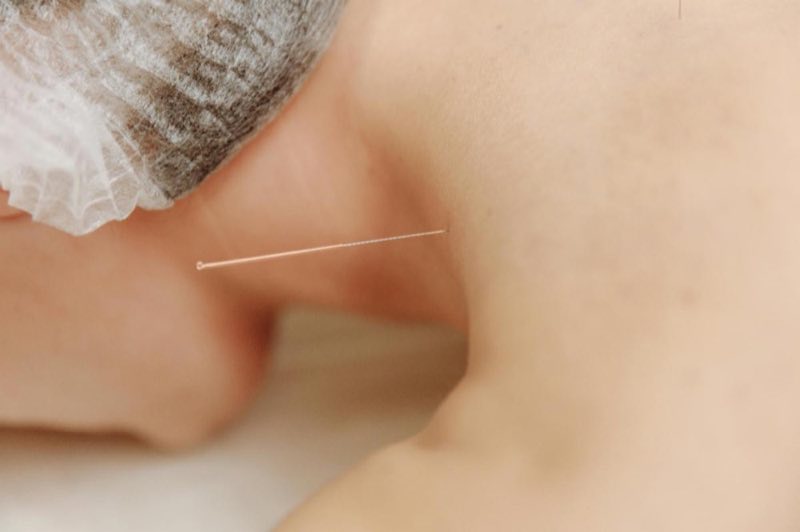
- Dry needling
- Assisted stretching & mobility work
Progressive strengthening for what's weak
Rebuilding control so the motion you regain stays:
- Rotator cuff strength through the new range
- Shoulder blade control and posture
- A home mobility program you do several times a day, taught properly
- Graded return to reaching, lifting, sport, and overhead activity
Stiff shoulders we treat
- Frozen shoulder (adhesive capsulitis)
- Stiffness after a fracture or sling
- Stiffness after shoulder surgery
- Shoulder that lost motion after an injury
- Post-manipulation or post-injection rehab
- Shoulder arthritis with loss of motion
- Long-standing stiffness that never resolved
- Frozen shoulder with diabetes or thyroid conditions
Not sure what yours is? That is what the evaluation is for.
Pain with reaching but the shoulder still moves? See our shoulder impingement page.
Results from real shoulders
"I've seen Shawn now for 3 injuries: hamstring, shoulder, and most recently wrist. I drive 1 hour each way and pay out of pocket because he is far and away the best physical therapist I've ever worked with. Before finding Shawn I'd spent hours in PT that felt generic or not challenging enough, with results that were just okay. With Shawn when I finish a round of PT I feel like I'm stronger than before my injury and I have exercises to work into my regular gym routine to keep me strong and safe going forward."
Where it leads
The goal is not just a shoulder that moves. It is a shoulder you trust again. When motion is back, your plan progresses from rehab into performance training with the same clinician in the same facility, so the strength around the joint keeps building instead of stopping at discharge. That transition is the Progression Method.
Frozen shoulder FAQs
Do I need a referral to see a physical therapist for frozen shoulder in Massachusetts?
What is frozen shoulder?
How long does frozen shoulder take to get better?
Is frozen shoulder the same as shoulder impingement or a rotator cuff problem?
Do I need an MRI before starting physical therapy?
Do you take insurance?
What happens in a session?
I had a cortisone shot or a manipulation under anesthesia. Can you still help?
Start with a free 15-minute fit call
Tell us what your shoulder can and can't do right now. We'll tell you honestly whether we're the right fit, what care would look like, and what it costs.