
Conditions
Plantar Fasciitis
One-on-one care for plantar fasciitis and heel pain in a private South Natick studio: a full session with a Doctor of Physical Therapy every visit, for people who want the first steps of the morning to stop being the worst part of the day.
Heel pain that outlasted the inserts, the ice, and the golf ball
By the time most people come in for plantar fasciitis, they have rolled the foot on a frozen bottle, bought two pairs of shoes and a set of inserts, and stretched the calf every morning for months. Some of it helped a little. None of it stuck, because the fascia is the victim, not the cause. The cause is usually above it: a stiff ankle, a calf that is both tight and weak, and a foot that stopped supporting its own arch.
Foot and ankle care here is led by clinicians with advanced residency training at the Institute of Orthopedic Manual Therapy and board certification as Orthopedic Clinical Specialists. Every session is one-on-one for the full visit. No aides, no handoffs, no exercise sheet doing the treating.
In Massachusetts you have direct access: no physician referral is needed to start. If your evaluation shows something outside the scope of physical therapy, we will tell you and point you to the right practitioner.
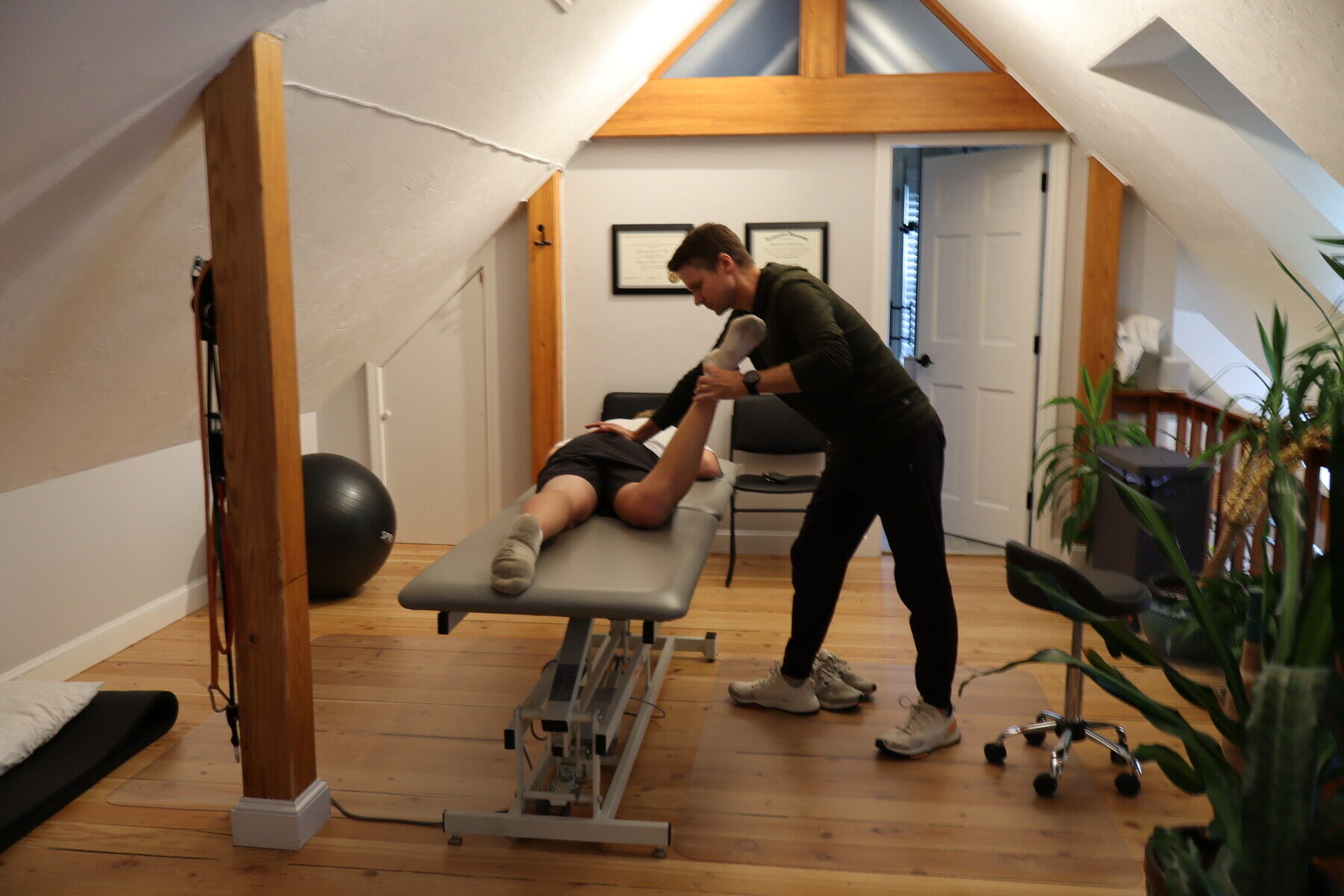
Mobilize what's tight. Strengthen what's weak.
That is the whole approach, applied from the toes up. Your evaluation identifies which joints and tissues in the foot, ankle, and calf are restricted and which muscles are underperforming, and treatment works both sides of that equation every session.
Hands-on treatment for what's tight
Calming the fascia and restoring motion around it:
- Instrument-assisted soft tissue mobilization (Graston) along the fascia and calf
- Deep tissue massage for the calf and the bottom of the foot
- Dry needling
- Joint mobilization of the ankle, heel, and midfoot
- Assisted stretching & mobility work
Progressive strengthening for what's weak
Rebuilding the arch's own support system:
- Foot intrinsic and big toe strength
- Calf strength and loading tolerance
- Balance and single-leg control
- Footwear and training load adjustments that actually fit your life
- Graded return to running, standing all day, and sport
- An individualized home program that evolves with you
Foot and heel problems we treat
- Plantar fasciitis
- Heel pain with first steps in the morning
- Heel spur pain
- Achilles tendonitis at the heel
- Arch pain with standing or running
- Foot pain after a change in shoes or training
- Stiff, weak feet and big toes
- Recurring flare-ups
Not sure what yours is? That is what the evaluation is for.
Sprained or unstable ankle instead? See our ankle pain page.
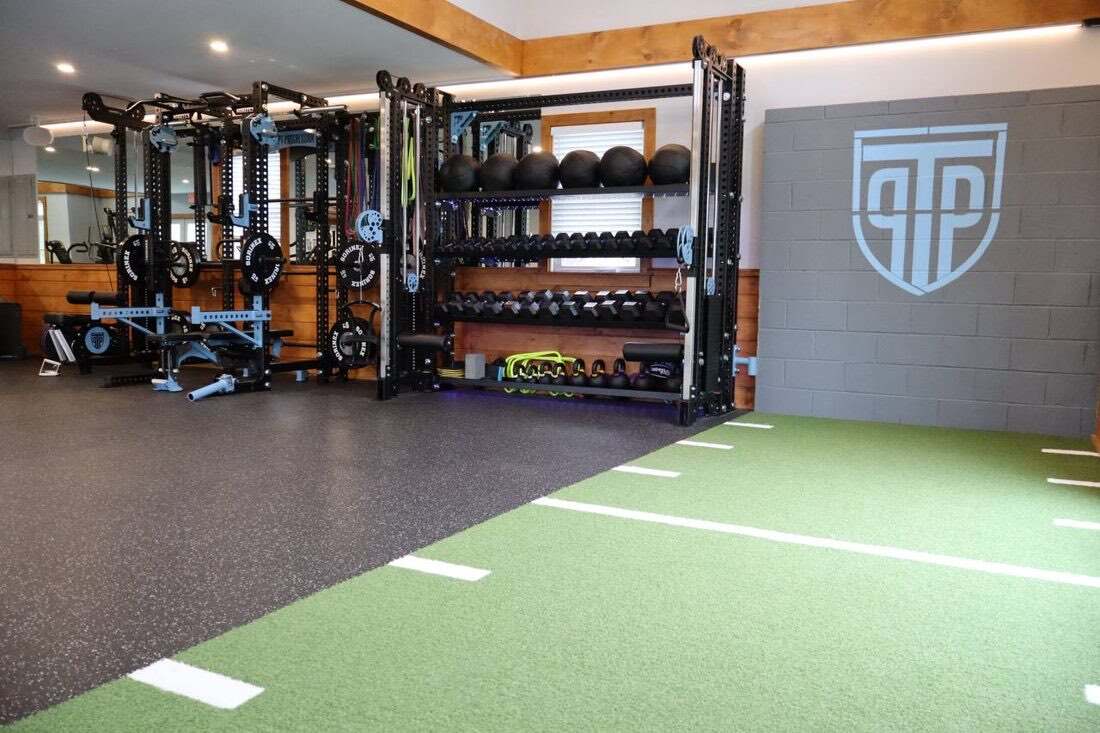
Results from real clients
"Will Austin is fantastic. He is sophisticated, knowledgeable, a great listener, provided terrific exercises, and stuck with me until my plantar fasciitis was truly gone for good. He showed me what an effective PT regimen can do: fix my feet, and pretty quickly, so I could walk and run again! I am still running years later after he fixed me, and now he's helping me solve a pesky impingement issue on my shoulder."
"I have been working with Shawn for years at PT Progression and he has helped me overcome multiple sports related injuries. The space is very clean, lots of new and high tech equipment, and the trainers are all very personable. Always a great experience."
Where it leads
The goal is not just a quiet heel. It is a foot that carries you through a long run or a long shift without complaint. When pain resolves, your plan progresses from rehab into performance training with the same clinician in the same facility, so the strength that protects the foot keeps building instead of stopping at discharge. That transition is the Progression Method.
Plantar fasciitis FAQs
Do I need a referral to see a physical therapist for plantar fasciitis in Massachusetts?
What is plantar fasciitis?
How soon should I see a physical therapist for heel pain?
Do I need special shoes, inserts, or a night splint?
Do I need an X-ray or MRI before starting physical therapy?
Do you take insurance?
What happens in a session?
Can I keep running while my heel hurts?
Start with a free 15-minute fit call
Tell us what your heel is doing and what it is keeping you from. We'll tell you honestly whether we're the right fit, what care would look like, and what it costs.