
Conditions
Golfer's Elbow and Tennis Elbow
One-on-one care for elbow tendon pain in a private South Natick studio: a full session with a Doctor of Physical Therapy every visit, for people who want to grip, lift, swing, and work with their hands without the elbow having a say.
Tendons don't respond to rest. They respond to the right load.
Tennis elbow and golfer's elbow are both overload injuries of the tendons that anchor your forearm muscles to the elbow. The outside of the elbow (tennis) or the inside (golfer's) gets sore with gripping, lifting, typing, or a swing, and it tends to hang around for months because the usual response, resting it and then going back to the same load, restarts the cycle.
Elbow care here is led by clinicians with advanced residency training at the Institute of Orthopedic Manual Therapy and board certification as Orthopedic Clinical Specialists, with Titleist Performance Institute certification for the golfers. Every session is one-on-one for the full visit. No aides, no handoffs, no exercise sheet doing the treating.
In Massachusetts you have direct access: no physician referral is needed to start. If your evaluation shows something outside the scope of physical therapy, we will tell you and point you to the right practitioner.
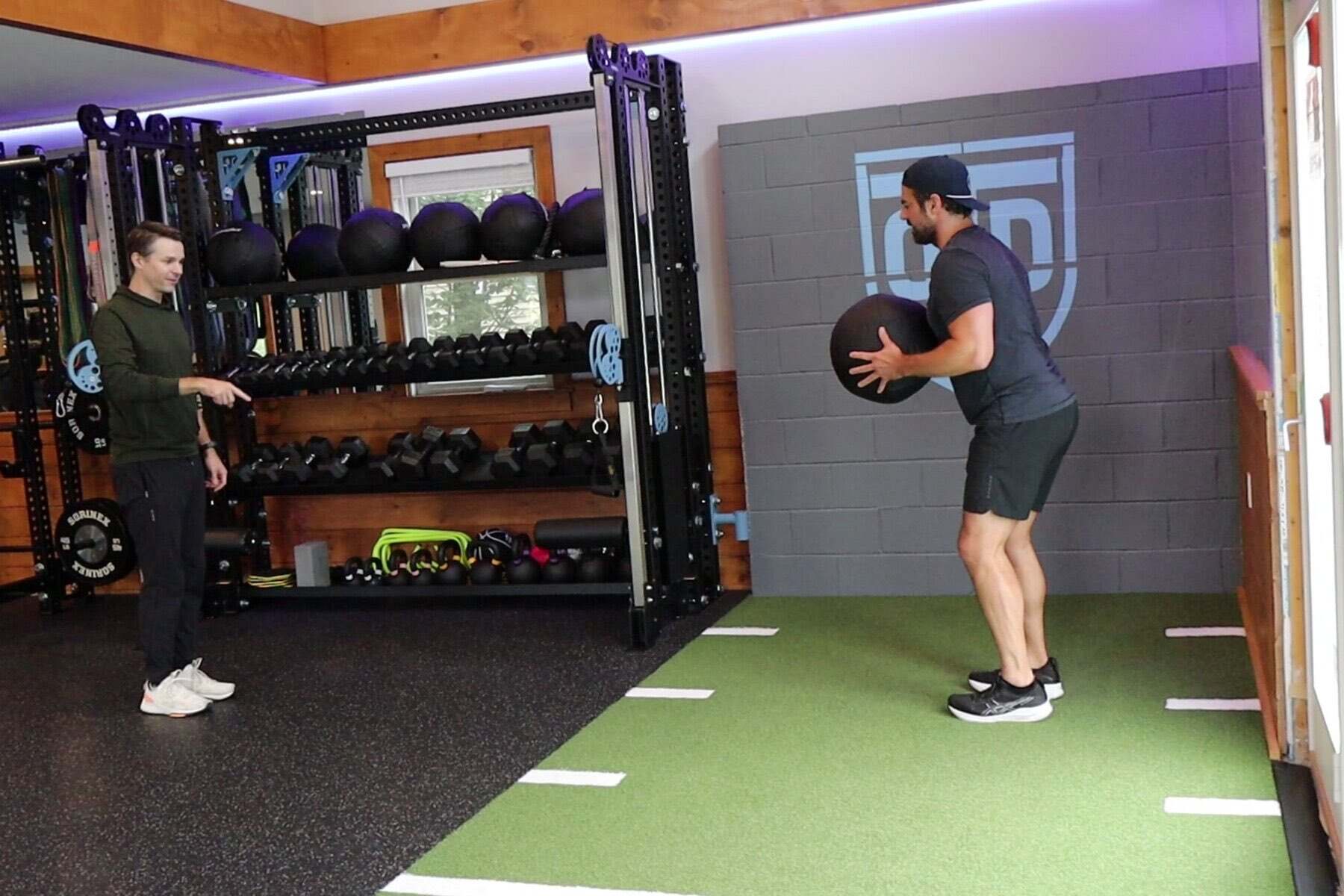
Mobilize what's tight. Strengthen what's weak.
That is the whole approach, applied to the whole arm. Your evaluation identifies which tissues around the elbow are irritated and restricted, what the wrist and shoulder are doing to overload them, and treatment works both sides of that equation every session.
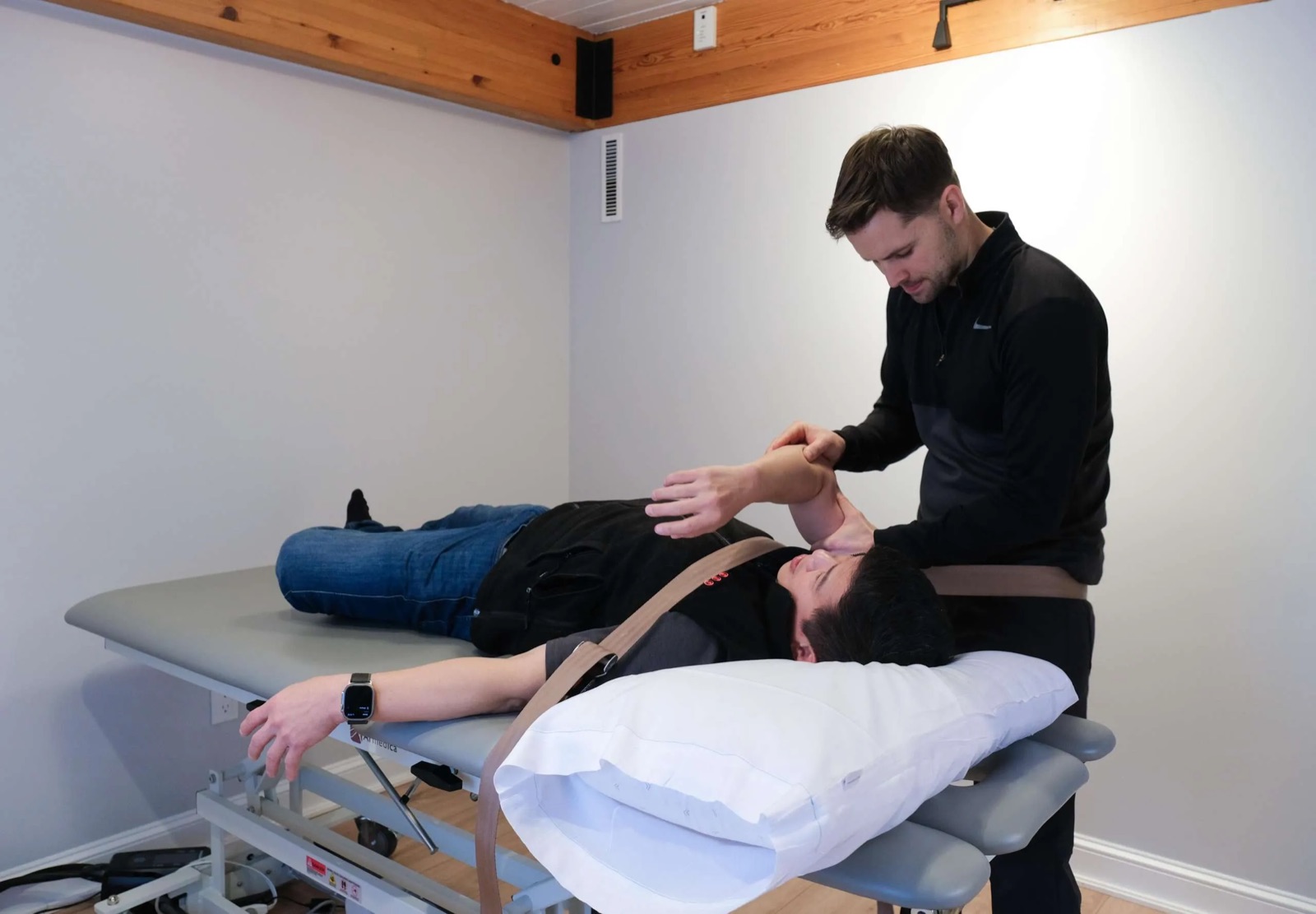
Hands-on treatment for what's tight
Calming the tendon and restoring motion around it:
- Instrument-assisted soft tissue mobilization (Graston)
- Deep tissue massage for the forearm
- Dry needling
- Joint mobilization of the elbow, wrist, and shoulder
- Assisted stretching & mobility work
Progressive strengthening for what's weak
Rebuilding the tendon's capacity to take load:
- Progressive forearm and grip loading, dosed to the tendon
- Shoulder and shoulder blade strength so the elbow stops absorbing the work
- Technique and equipment adjustments for your sport or job
- Swing analysis for golfers (TPI)
- An individualized home program that evolves with you
Elbow and forearm problems we treat
- Tennis elbow (lateral epicondylitis)
- Golfer's elbow (medial epicondylitis)
- Elbow pain with lifting or gripping
- Elbow pain from typing or tools
- Forearm tightness and weak grip
- Elbow stiffness after injury
- Post-surgical elbow recovery
- Recurring flare-ups
Not sure what yours is? That is what the evaluation is for.
Golfer with more than an elbow problem? See golf performance.
Results from real clients
"As an aging golfer, Shawn has helped me stay competitive. I've never hit it farther and have been training to remain injury free. He is extremely knowledgeable and I recommend him to everyone that will listen."
"If you're any kind of moderately serious athlete, you can't beat these folks for PT. Shawn's combined understanding of injury recovery and prevention has helped me keep hitting PRs many years into training for multiple different sports, while dealing with and recovering from new and old injuries."
Where it leads
The goal is not just a quiet elbow. It is an arm you trust under load again. When pain resolves, your plan progresses from rehab into performance training or golf performance with the same clinician in the same facility, so the strength that protects the tendon keeps building instead of stopping at discharge. That transition is the Progression Method.
Elbow pain FAQs
Do I need a referral to see a physical therapist for elbow pain in Massachusetts?
What is the difference between tennis elbow and golfer's elbow?
How soon should I see a physical therapist for elbow pain?
Does a brace or strap fix tennis elbow?
Do I need an MRI before starting physical therapy?
Do you take insurance?
What happens in a session?
Can I keep playing golf or tennis, or keep lifting, while my elbow hurts?
Start with a free 15-minute fit call
Tell us what your elbow is doing and what it is keeping you from. We'll tell you honestly whether we're the right fit, what care would look like, and what it costs.