
Isometrics and Tendon Health

- Why isometric exercises are important for your tendons
Mechanisms: How Isometrics Improve Tendon Health

Tennis elbow, golfer’s elbow, Achilles tendinopathy, and plantar fasciitis are among the most common - and stubborn - diagnoses we encounter. Their chronic nature often leaves people frustrated and sidelined from the activities they love. Here, we’ll break down the basic principles of tendon physiology and rehabilitation and provide one of the most overlooked and powerful tools to help rehab injured or weak tendons.
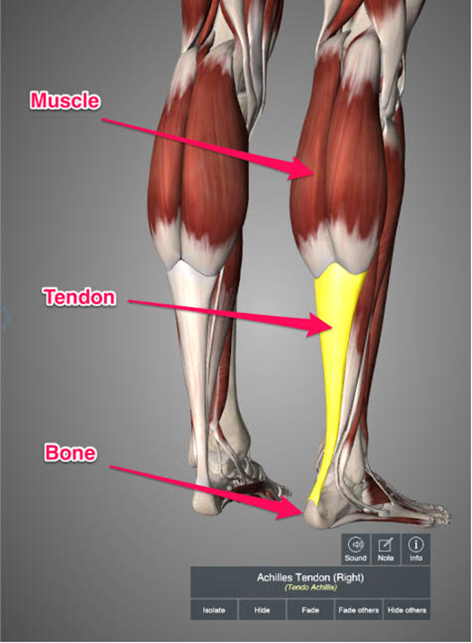
A tendon’s primary job is force transduction - in simple terms, pulling. Think of tendons as anatomical ropes, connecting muscle (which generates force) to bone (which moves). A stiff, healthy tendon allows for strong, pain-free movement, while a dysfunctional tendon becomes the weak link in the kinetic chain, leading to pain, loss of performance, and weakness.
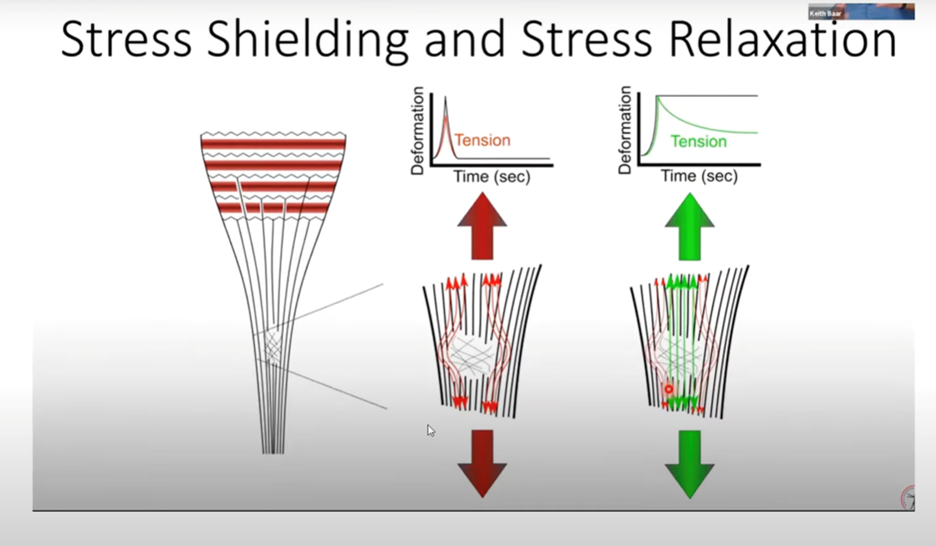
What’s critical to understand is that tendons are not homogenous structures. They consist of both stronger, stiffer portions and weaker, more compliant areas. During movement - whether swinging a tennis racket or striding mid-run - the stiffer parts take on more of the load, sparing the weaker sections. Over time, as these stronger regions fatigue, the weaker areas are suddenly called upon, unprepared and vulnerable to mechanical breakdown, inflammation, and pain. This is how tendinopathy - the chronic degeneration and poor adaptation of tendon tissue - develops.
Enter: Isometric Contractions
Isometric contractions offer a powerful solution by delivering sustained tension exactly where it’s needed most. Unlike muscles, tendons don’t primarily respond to how heavy you lift - they respond to how long they are loaded. This makes time under tension (TUT) the key driver of tendon adaptation.
At lower intensities, isometrics mainly recruit slow-twitch (Type I) fibers, promoting endurance and improving the tendon’s ability to handle repetitive, submaximal loads. This is critical for durability and injury prevention. As intensity increases, fast-twitch (Type II) fibers are recruited, driving the strength and stiffness adaptations needed for explosive athletic movements like sprinting or jumping.
Isometric holds also help distribute load evenly across the tendon, reducing the phenomenon of “stress shielding," where painful or injured portions are subconsciously avoided. This is why progressive isometric loading is a gold standard for treating tendinopathies such as patellar or Achilles issues - it forces the entire tendon to share the workload.
Appropriate Loading = Remodeling
Isometrics are proven to stimulate collagen synthesis, which is essential for tendon remodeling. Tendons adapt slowly due to their low metabolic rate, but research shows that around 10 minutes of cumulative isometric loading per week is the minimal effective dose to trigger collagen production (Kubo et al., 2001). While whole foods can supply the essential nutrients needed for tendon repair, collagen peptide combined with Vitamin C supplementation - often found together in many commercial products - is backed by research and can help ensure your hard work translates into optimal tendon remodeling and recovery.
For healthy tendons, this could look like 10 sets of 10-second holds. In cases of painful, injured tendons, longer holds - 30 seconds for 3 to 5 repetitions - are often more effective to ensure weakened areas are loaded long enough to adapt.
In short, tendons thrive on low and slow. Accumulate tension gradually, and you’ll set the stage for remodeling, strengthening, and building resilience.
Interested in Learning More?
Check out this great podcast with tendon researcher Keith Baar on The Tim Ferriss Show HERE. We really found the discussion around statin-associated tendon changes and hormonal regulation of tendon metabolism particularly fascinating.
Learn More From Us!
- Have questions? We're happy to help! Shoot us an email at ptprogressionma@gmail.com
- Rather call? We're happy to chat over the phone at (508) 650-1984