
Monday Morning Boost #012
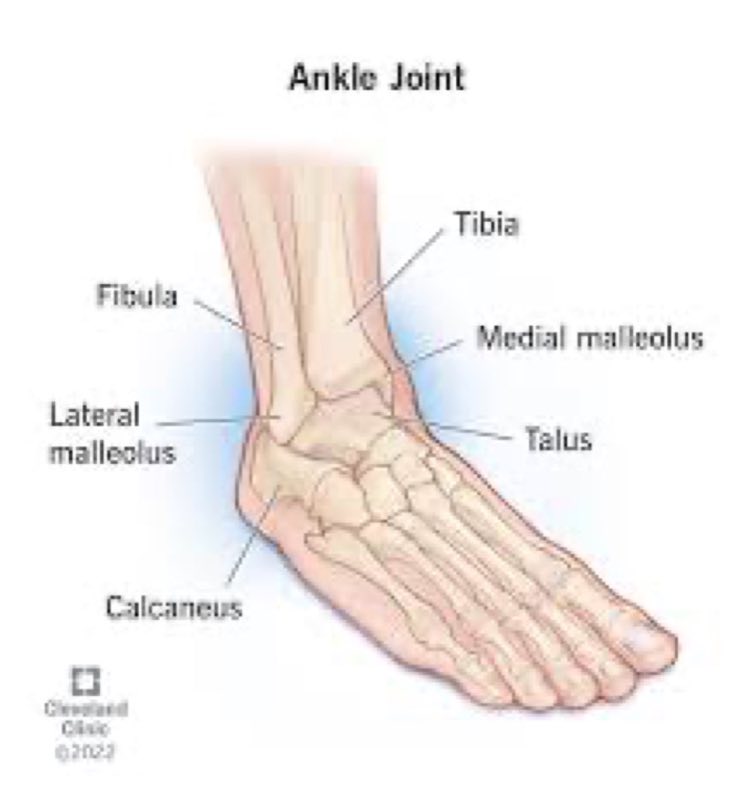
- A research-guided methodology to confidently determine when and/or if an X-ray is necessary for an injured foot or ankle
- How to help keep your blood sugar within normal ranges
- Why your resting heart rate is important and how to measure it
News You Can Use
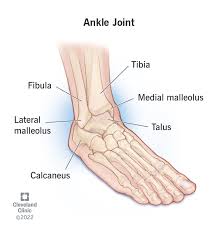
I just injured my foot or ankle...Do I need to get an X-ray?
The Ottawa Foot and Ankle Rules are clinical guidelines used to help healthcare providers determine whether a patient with foot or ankle pain needs an X-ray to rule out a fracture. The rules help reduce unnecessary imaging and are applied in the following ways:
An ankle X-ray is required if:
1) There is pain in the malleolar zone (around the ankle), and
2) Any one of these findings is present:
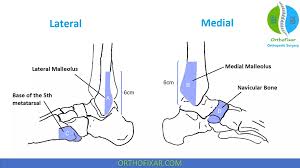
- Tenderness over the posterior edge or tip of the lateral malleolus (6 cm up from the ankle)
- Tenderness over the posterior edge or tip of the medial malleolus
- Inability to bear weight immediately after the injury and in the emergency room for four steps
A foot X-ray is required if:
1) There is pain in the midfoot zone, and
2) Any one of these findings is present:
- Tenderness at the base of the 5th metatarsal
- Tenderness over the navicular bone
- Inability to bear weight immediately after the injury and in the emergency room for four steps
The Ottawa Foot and Ankle Rules are known for their high sensitivity, which makes them effective for ruling out fractures when the test is negative. The specificity is lower, meaning there may be some false positives, but the rules are designed to prioritize safety and minimize missed fractures.
Sensitivity and Specificity:
- Sensitivity: 98-100% (for both ankle and foot rules)
- This means that the rules are very effective at detecting true fractures. If the rules indicate a fracture, it's almost certain that a fracture is present.
- Specificity: 32-40%
- This reflects the likelihood of false positives, meaning that the rules may suggest a fracture even when there isn’t one. However, the goal is to avoid missing fractures rather than minimizing unnecessary X-rays.
Overall, the high sensitivity ensures that nearly all fractures are caught, while the lower specificity means that there may be more imaging than strictly necessary, but it reduces the risk of missed diagnoses.
Health Tip We Like
Moving a little every hour throughout the day (i.e. a quick walk outside or around the house, performing a few air squats, etc.) causes the cells in our body to take blood sugar out of the bloodstream and use it.
Blood sugar is our body's primary source of energy and moving regularly during the day helps keep blood sugar levels down. Too much blood sugar in the bloodstream can lead to hyperglycemia or diabetes.
So, sprinkle in two minutes of movement every hour to keep your cells doing their best work!
Article We Like
Resting heart rate is a good measure of overall health and longevity. This article in the Harvard Health Blog explains why:
Your resting heart rate can reflect your current and future health
Learn More From Us!
- Have questions? We're happy to help! Shoot us an email at ptprogressionma@gmail.com
- Rather call? We're happy to chat over the phone at (508) 650-1984