
ROPEs: Cold Exposure, Exercise, and Your Lungs
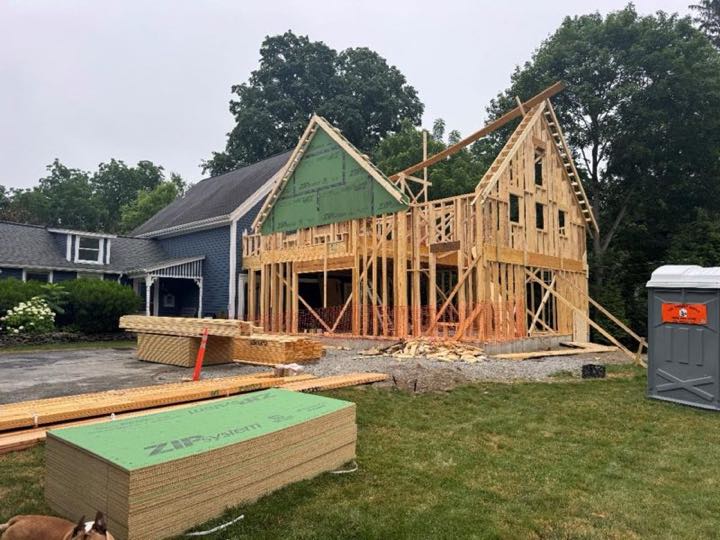
- The latest progress in our expansion
- What ROPEs is and how to reduce your risk
- How to test your fitness at home
Construction Update!
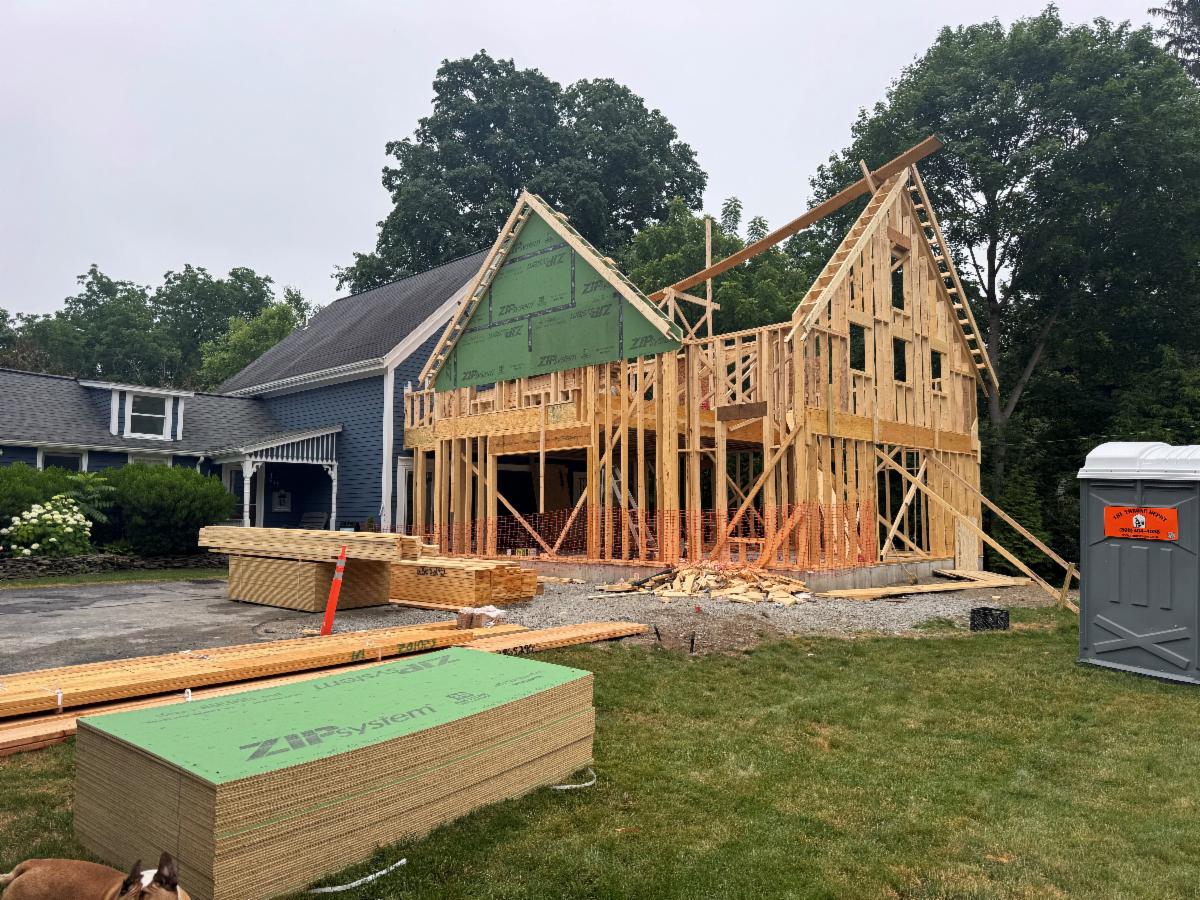
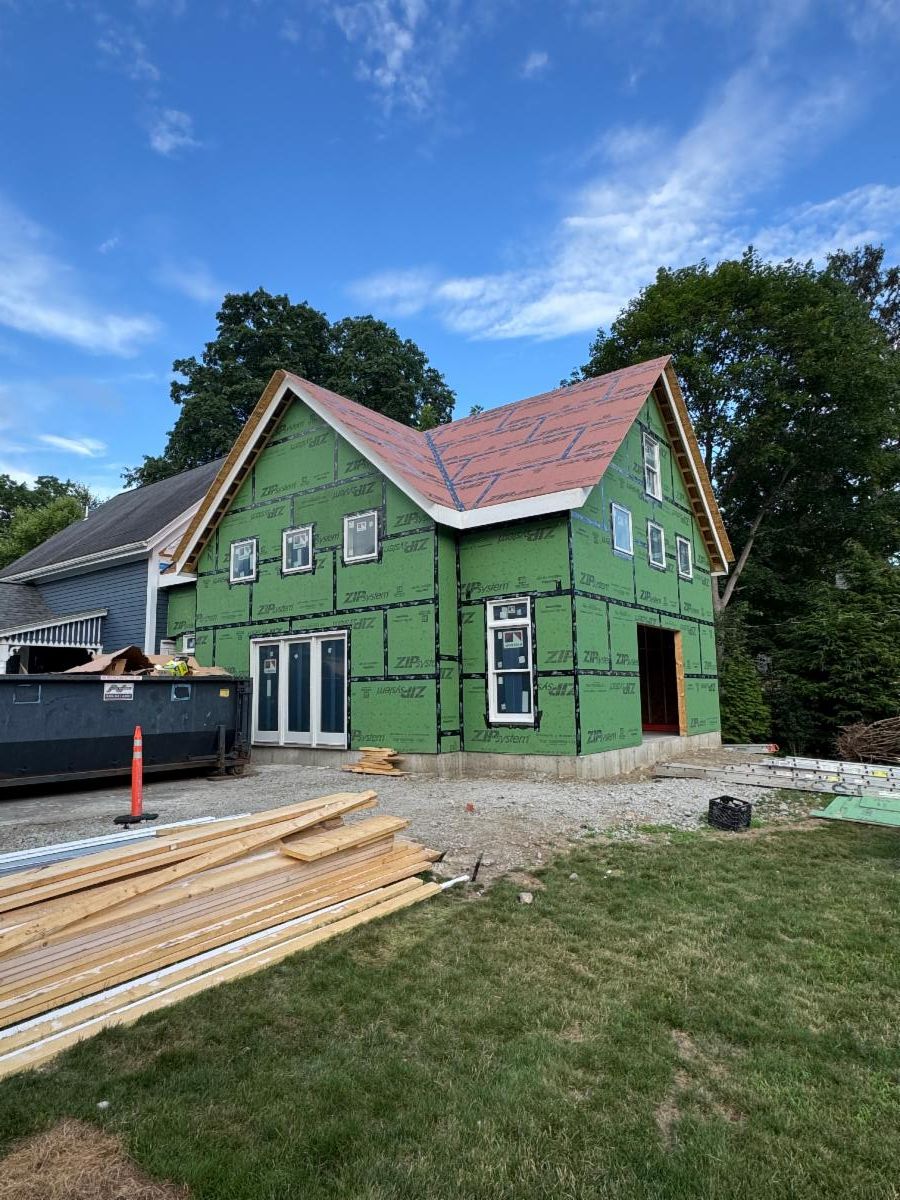
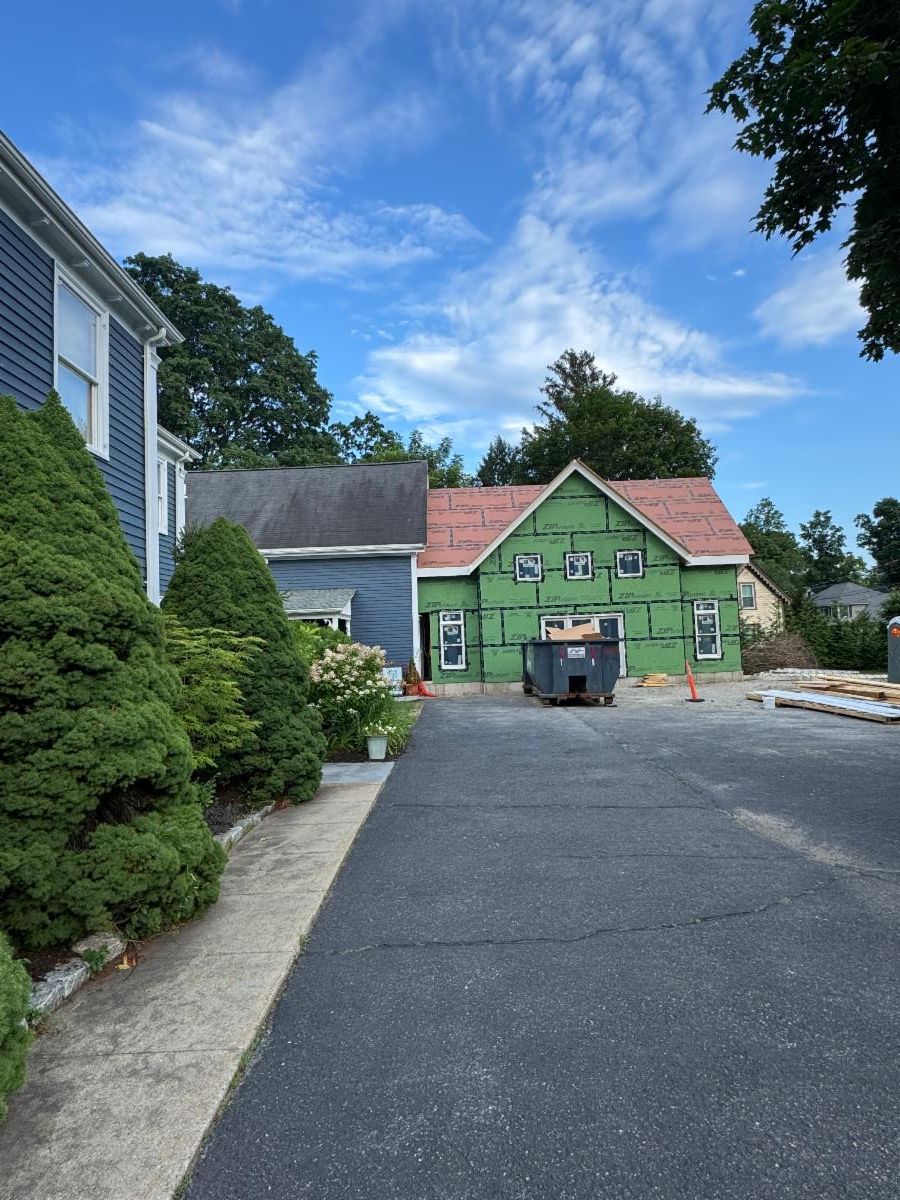
Exciting progress on the expansion! Framing is now finished, and the windows have been installed, giving the building its first real sense of structure and space. It’s starting to feel like a true extension of our vision.
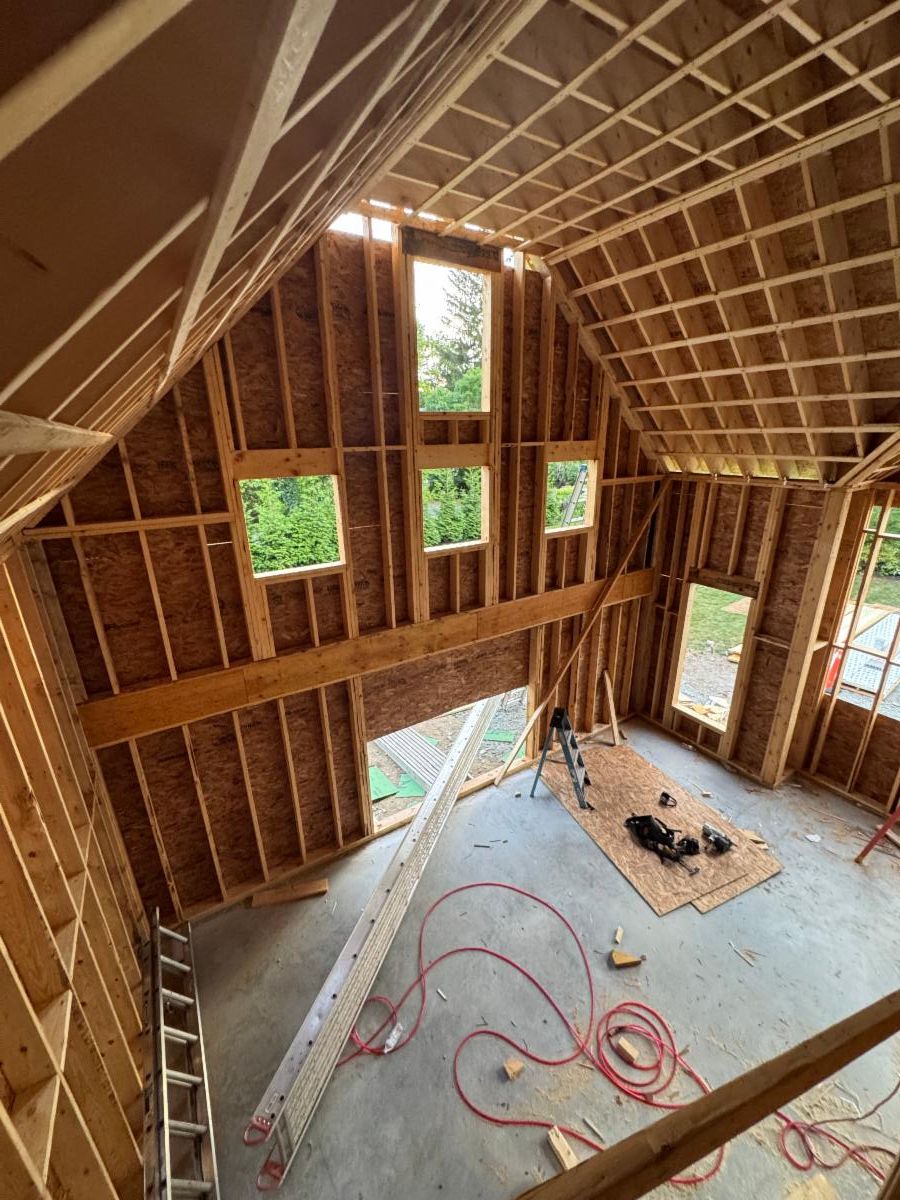
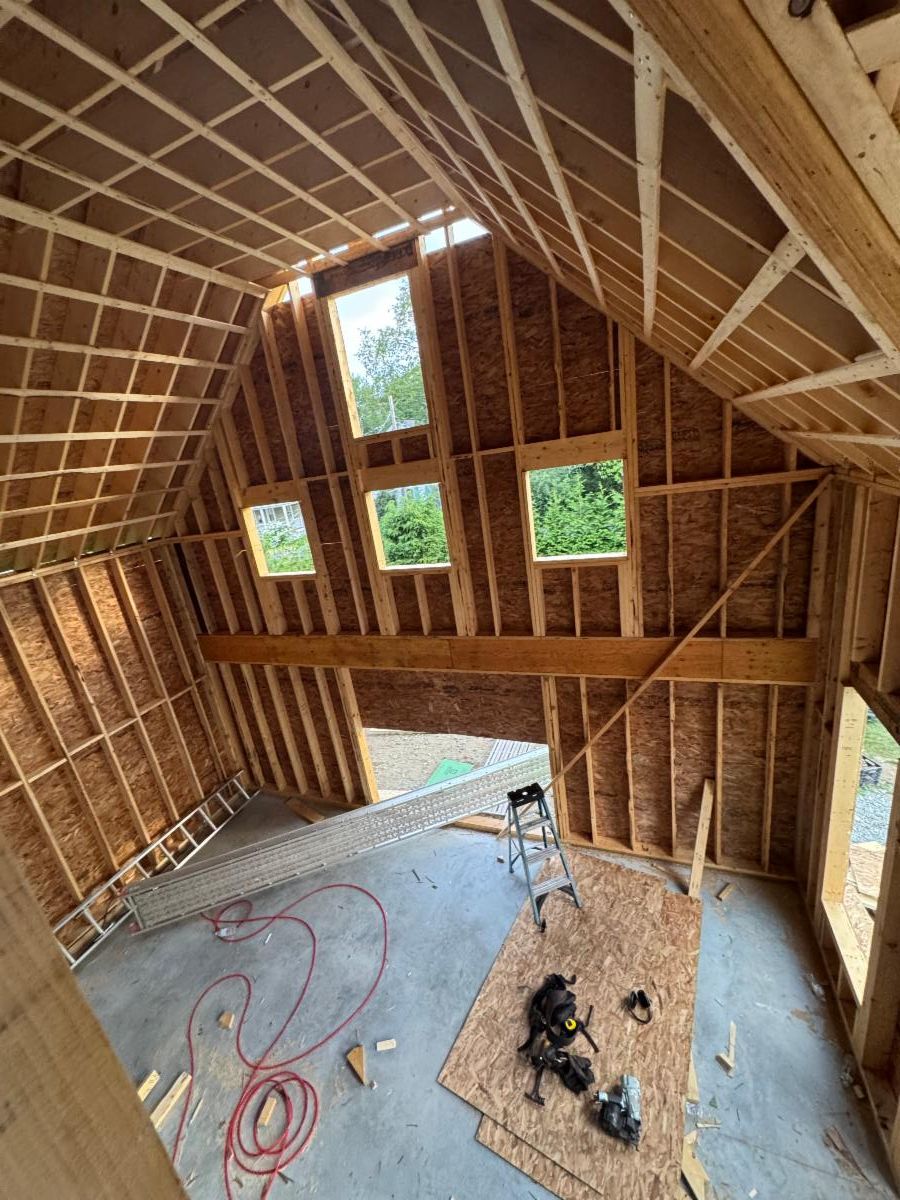
Next up: roofing is scheduled to begin next week, which will bring us one step closer to enclosing the space and moving on to interior work. Stay tuned - things are moving quickly!
ROPEs: What You Should Know About Cold Exposure, Exercise, and Your Lungs
If you’re into the new fad of cold plunges or high-intensity workouts, there’s a rare but important condition worth knowing about: ROPEs, or Rapid Onset Pulmonary Edema Syndrome.
What is ROPEs?
ROPEs occurs when fluid unexpectedly accumulates in the lungs, making it difficult to breathe. It’s most commonly associated with intense physical exertion in cold environments - such as open water swimming or plunging into very cold water after a heavy workout.
This isn’t your average post-exercise fatigue. We're talking about sudden shortness of breath, chest tightness, coughing (sometimes with frothy sputum), and difficulty breathing, even while at rest.
What Causes It?
During intense exercise, especially in cold conditions, blood pressure in the pulmonary vessels can spike. Cold water causes blood vessels to constrict, and the effort of exercise raises the pressure in your chest. In some individuals, this combination causes fluid to leak from the blood vessels into the air sacs of the lungs (alveoli), leading to pulmonary edema.
This isn't due to heart failure or a lung infection. It’s a unique response to environmental and physiological stress.
Who’s at Risk?
ROPEs is rare, but it tends to affect:
- Endurance athletes (especially swimmers)
- Individuals exercising in cold water or air
- People with underlying heart or lung conditions
- Anyone jumping straight into intense cold exposure after a taxing workout
Symptoms to Watch For:
- Sudden shortness of breath
- Chest pressure or tightness
- Coughing (sometimes producing frothy sputum)
- Wheezing or feeling like you can’t get enough air
If symptoms don’t improve with rest or worsen quickly, medical attention is needed immediately.
How to Reduce Your Risk:
- Gradually acclimate to cold exposure, especially after a hard workout (including cold plunges)
- Avoid maximal exertion in cold water, especially if untrained
- Warm up properly before cold plunges
- Stay well-hydrated and avoid overexerting yourself when already fatigued
Final Thoughts
ROPEs is uncommon, but understanding it helps you respect the limits of your body - especially when combining cold stress and intense exertion. If you’re experimenting with cold plunges or endurance training, take it slow, monitor your response, and know when something doesn’t feel right.
Your lungs will thank you.
How Fit Are You? Three Simple At-Home Tests
The New York Times highlights 3 easy self-assessments you can do at home to gauge your overall fitness and no fancy gear is required. Click below to access the full article...
How Fit Are You? Test Yourself to Find Out.
1) Cardio Check
Test your cardiovascular health with something like a timed 1.5-mile run or a series of interval-based moves. Your time gives a snapshot of how well your heart and lungs are performing.
2) Strength Evaluation
See how many push-ups or squats you can do in a set time (or to fatigue). These exercises show your muscular strength and endurance.
3) Flexibility and Balance
Although not always highlighted, things like a sit-and-reach, or the popular sitting-rising test, reveal mobility and stability - key indicators of functional fitness.
Why It Matters
By combining these tests - cardio, strength, and flexibility - you get a well-rounded picture of your fitness level. Tracking your results over time helps you stay motivated and make informed training adjustments.
Bottom Line
No gym membership? No problem. These 3 simple tests require minimal equipment and give you a solid baseline. Measure your fitness, track your progress, and tailor your workouts to improve where it counts.
Learn More From Us!
- Have questions? We're happy to help! Shoot us an email at ptprogressionma@gmail.com
- Rather call? We're happy to chat over the phone at (508) 650-1984