
Calculating Your "Fitness Age" and How Bloodflow Restriction Training Could Benefit You

- 1) How Well Are You Aging? - Calculate your fitness age to see where you stand.
- 2) Bloodflow Restriction Training (BFR) - Learn about a game-changing tool in the rehab to performance process.
In this edition, in 10 minutes or less, we will cover:
1) How Well Are You Aging? - Calculate your fitness age to see where you stand.
2) Bloodflow Restriction Training (BFR) - Learn about a game-changing tool in the rehab to performance process.
How Well Are You Aging?

I came across this article recently that discussed the concept of “fitness age.” Fitness age is a measure of whether your body is biologically older or younger than your chronological age.
It’s calculated using height, weight, resting heart rate, and an estimate of how hard and how often you exercise. Essentially, a fitness age lower than your chronological age signifies better health, and a fitness age higher than your chronological age may be a predictor of disease and mortality risk.
A lower fitness age has been shown to decrease the long-term risk of heart attack, depression, nonalcoholic fatty liver disease, brain shrinkage, and dementia in middle-aged and older men and women. Also, if you have a chronic disease, your symptoms will likely progress slower if you have a low fitness age.
It’s important to note that your fitness age is changeable, and there are things you can do today to lower it. The best way to do that (you guessed it!) is by exercising properly.
To see if you need to start making some changes to your exercise routine, use the fitness age calculator by clicking HERE.
What is Bloodflow Restriction Training (BFR)?
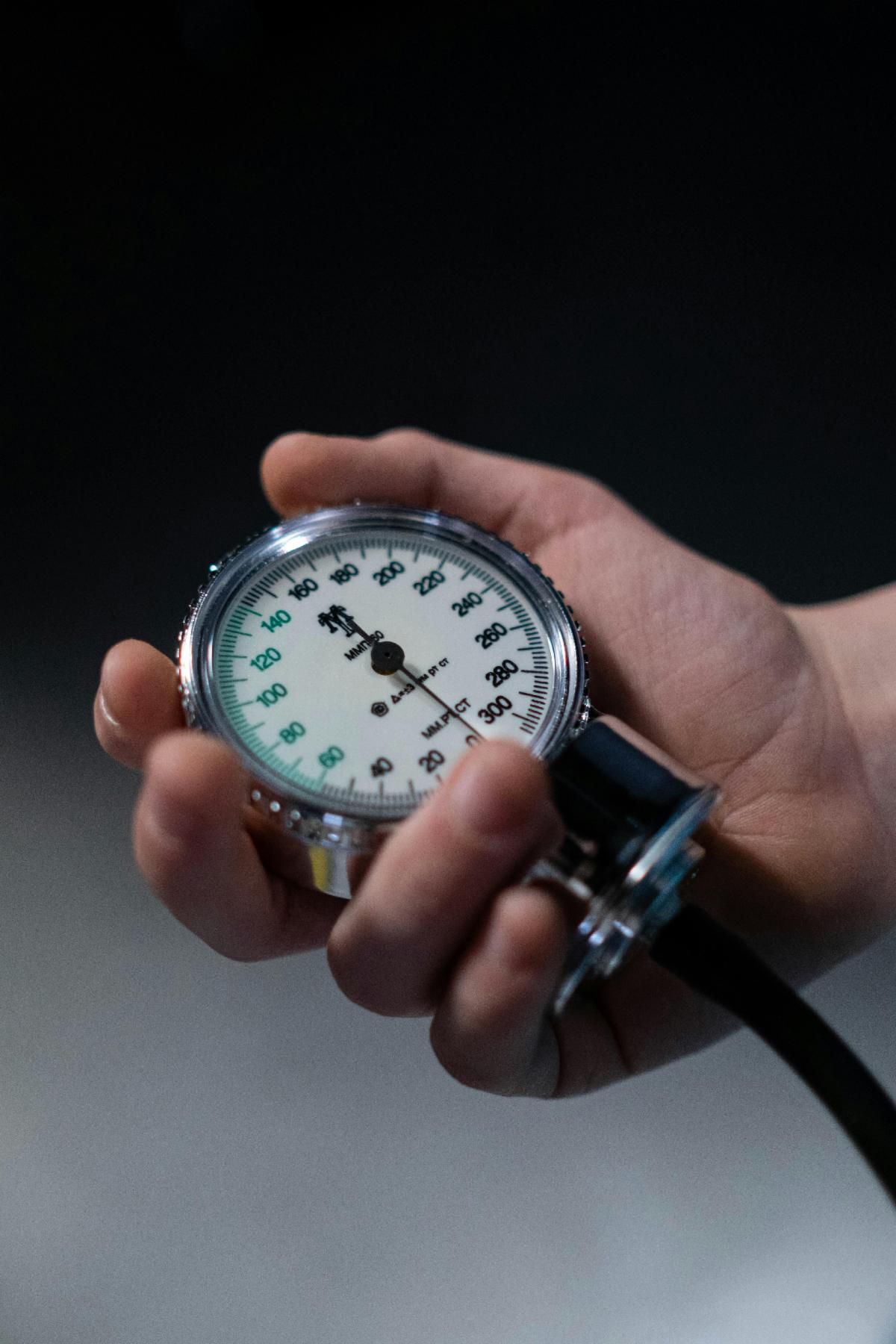
I’ve been wanting to share this post for a while now. It’s an overview of an under-the-radar tool which I’ve found very useful with my training/rehab clients over the past few years: Bloodflow Restriction Training (BFR for short).
BFR is an exercise technique that involves wearing specialized cuffs to reduce blood flow to the arms or legs. Why would we want to do that? Isn’t full blood flow a good thing? The answer is almost always yes. But, by reducing blood flow during exercise, we can bring a muscle to complete exhaustion with low level exercise. Using BFR results in similar benefits to heavily loaded, high intensity workouts with less strain on painful joints or vulnerable areas. This is crucial if we are trying to build strength in or around a painful part of the body.
BFR is actually nothing new. It has its roots in KAATSU training, created by a Japanese physician in the 1960s. It was used for years in the Japanese bodybuilding and performance community before catching on abroad among elite sports medicine and performance professionals. Research is mounting and undeniable with BFR justifying its place as a mainstay in the Physical Therapy realm.
This modality has been a true game-changer, particularly for my active clients between the ages of 40-60 who have knee pain, weakness, or instability; especially related to early osteoarthritis or a history of injury/surgery. These individuals usually have pain or difficulty when trying to strengthen their quads with squats/lunges, etc. and have struggled or not seen results with rehab in the past. I have a laundry list of success stories using BFR as a component of our unique Hybrid Physical Therapy approach at PT PROGRESSION.
If you want the deep dive, I’d love to nerd out with you on the exercise physiology of what makes BFR so special! Or if you think you, a family member, or friend may be a good candidate, please don’t hesitate to reach out!
Yours in health,