
Dry Needling Explained
- How and why dry needling works
- How dry needling was applied when treating a runner with calf tightness
Dry Needling Explained: Relief for Muscles, Pain, and Stiffness
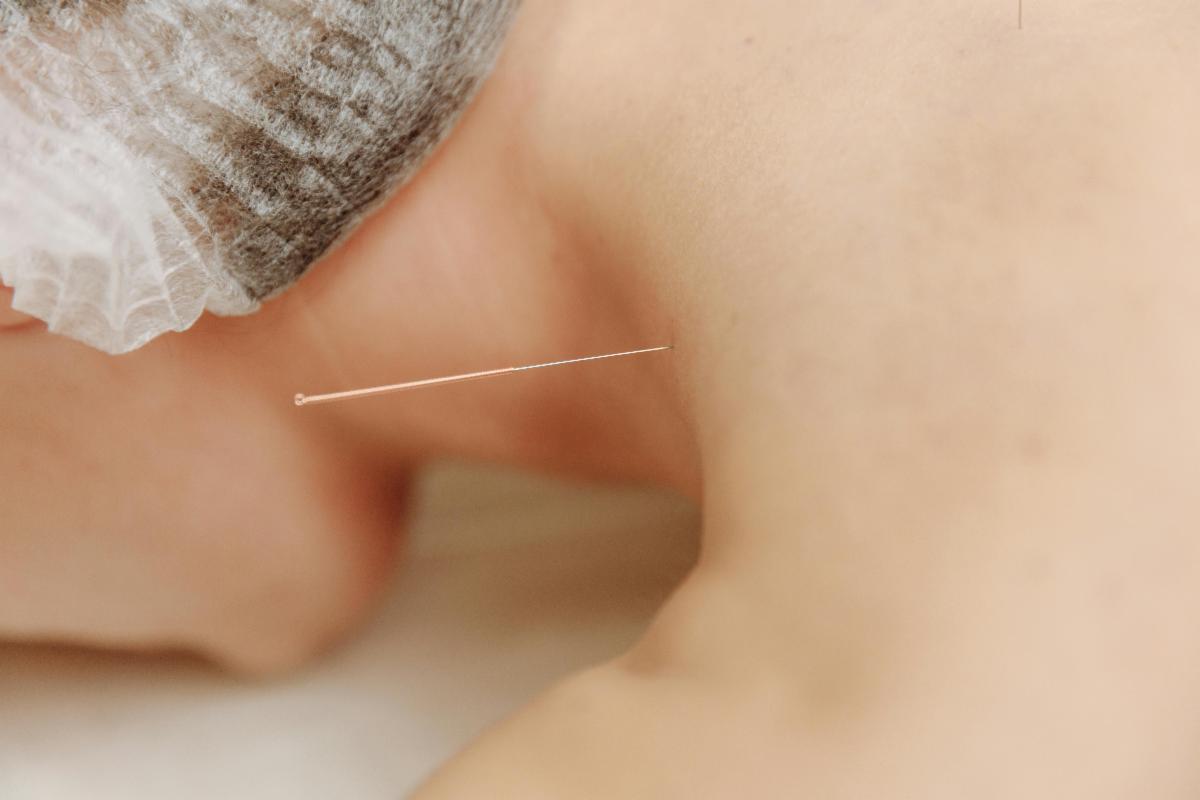
This week, we’ve got a quick read highlighting dry needling mechanisms and applications. For those unfamiliar, dry needling involves inserting a monofilament (acupuncture) needle into a muscle to decrease pain and restore muscle function. Below is an overview of how and why dry needling works for many of our clients.
Pain Reduction
- Trigger Point Deactivation: Insertion of needles into myofascial trigger points disrupts dysfunctional motor end plates, where the motor nerve and muscle communicate, reducing referred and local pain.
- Neuromodulation: Stimulates sensory nerves, altering pain perception via the central and peripheral nervous systems (gate control and descending inhibitory pathways).
- Chemical Changes: Reduces concentrations of pain-related chemicals (e.g., substance P, CGRP) in muscle tissue surrounding trigger points.
Improved Muscle Function
- Decreased Muscle Tension: Needling can reset muscle spindle activity and decrease excessive tone in tight or spasmed muscles.
- Better Muscle Fiber Recruitment: Restores normal function at neuromuscular junctions, improving recruitment and coordination of muscle fiber contraction.
- Improved Circulation and Healing: Microtrauma from needling increases local blood flow, promoting tissue oxygenation and removal of metabolites, cellular waste and debris.
Increased Range of Motion (ROM)
- Release of Soft Tissue Restrictions: Needling disrupts and restores tissue extensibility, particularly in chronic muscle tightness.
- Reflex Relaxation Response: Involuntary local twitch responses (LTRs) can help "reset" muscle tone at rest.
Dry Needling Case Study
Here’s a case example of how dry needling was applied in treating one of master's level marathon athletes.
Brad is a 48-year-old marathon runner who presented to me with calf tightness which had been worsening over the past couple of weeks. He hadn’t been able to keep up with desired training mileage because of tightness and pain. He had tried stretching and ice and rest which hasn’t resolved his issue. I evaluated and agreed that his issue was a calf strain. He was able to do twenty double leg calf raises without much problem, but with single leg calf raises he had pain and could hardly lift his heel off the ground. His calf flexibility was also limited to 50%. We decided to treat him with a combination of dry needling and exercise.
Immediately post-treatment, Brad had less pain to palpation of his calf muscle. Upon standing up, He reported feeling ‘worked’ in the calf muscle as he took his first few steps. He was now able to do 10 single leg calf raises through full range of motion with minimal pain. I then gave him a workout focusing on calf strength and flexibility exercises.
I asked him to take a good walk later on, then take an easy jog the next day. At one week follow-up, Brad reported his calf felt 90% better. He had completed a few more successful runs and felt ready to progress back towards his original training plan the next week.
Hopefully this was a helpful review and you learned something from reading. If you have any further questions about dry needling-related topics, please reach out!
Learn More From Us!
- Have questions? We're happy to help! Shoot us an email at ptprogressionma@gmail.com
- Rather call? We're happy to chat over the phone at (508) 650-1984