
Gua Sha vs. Graston Technique
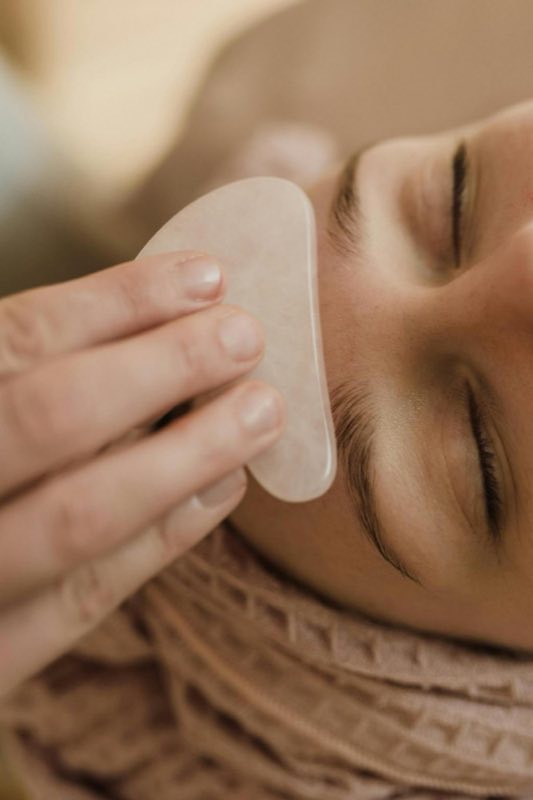
- The similarities and differences between two soft tissue mobilization methods, Gua Sha and Graston Technique
Gua Sha vs. Graston Technique: A Comparative Overview
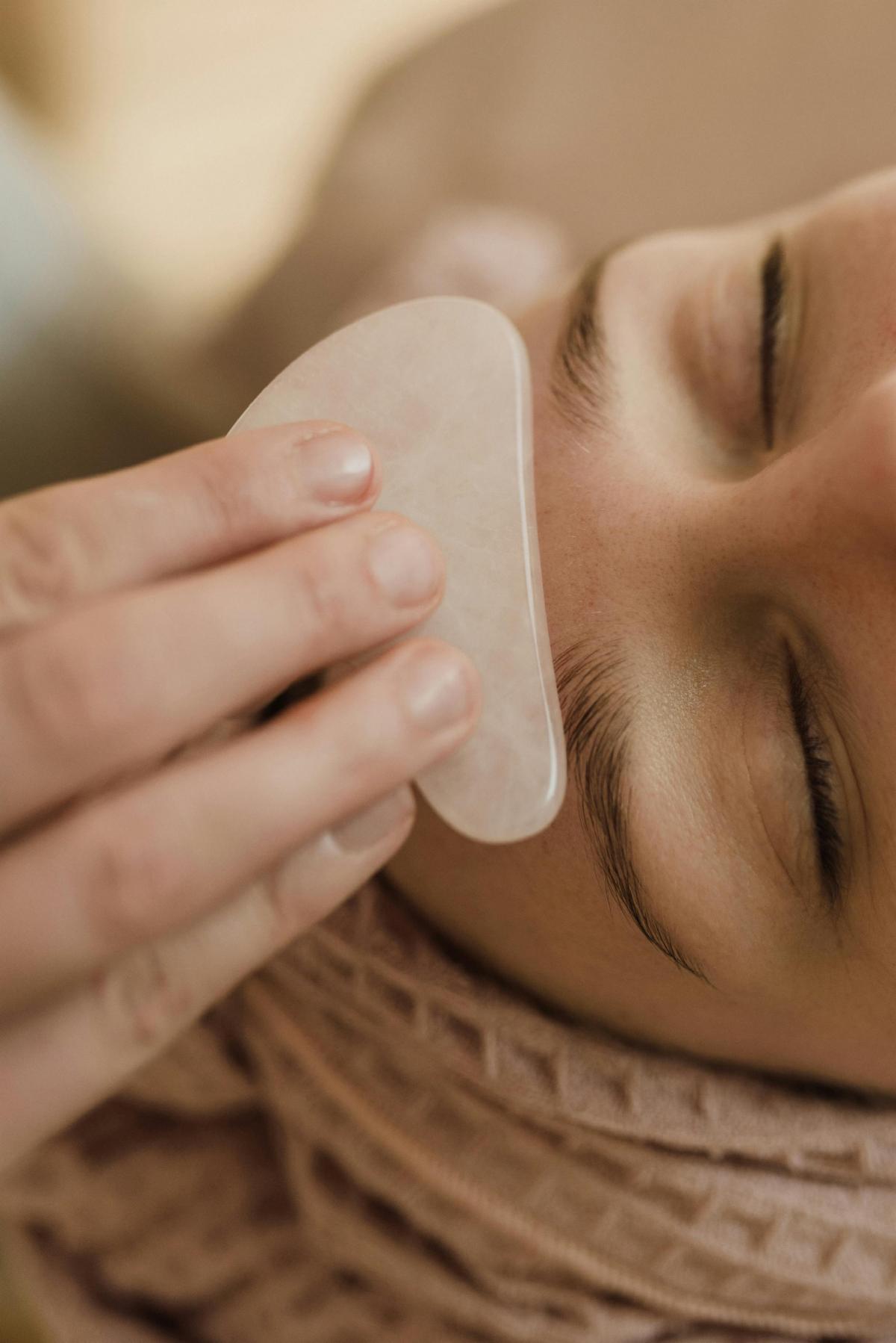
Gua Sha and the Graston Technique are two soft tissue mobilization methods that aim to relieve pain, reduce inflammation, and promote healing by targeting the fascia and muscle tissue. While they share some similarities in their goals and basic approach, they differ significantly in their origin, tools, and application style.
Origins and Philosophy
Gua Sha is a traditional East Asian healing practice that dates back centuries. Rooted in Traditional Chinese Medicine (TCM), it involves using a smooth-edged tool, often made of jade, bone, or ceramic, to scrape the skin in repeated strokes. The goal is to promote the flow of "qi" (energy) and blood, and to release stagnation believed to cause discomfort or illness.
Graston Technique, on the other hand, is a modern, evidence-based form of Instrument-Assisted Soft Tissue Mobilization (IASTM) developed in the United States. It is primarily used by physical therapists and other licensed healthcare providers. The technique employs stainless steel instruments designed to detect and break down scar tissue, fascial restrictions, and chronic inflammation.
Tools and Application
In Gua Sha, practitioners use rounded, often hand-held tools made of traditional materials. The technique typically results in petechiae (small red or purple spots under the skin), seen as a sign of effective treatment in TCM.
The Graston Technique utilizes a set of precision-engineered metal instruments with varying edges and curves. These are applied using controlled, clinical pressure to mobilize soft tissue. Graston treatments often involve warm-ups, stretching, and strengthening exercises as part of an overall rehabilitation plan.
Clinical Use and Outcomes
Gua Sha is commonly used for a wide range of conditions, from muscle tension and pain to colds and fevers. While scientific research is limited, some studies have shown it can improve circulation and reduce inflammation markers.
Graston Technique is primarily used in sports medicine and physical therapy for musculoskeletal injuries, such as tendinopathies, carpal tunnel syndrome, plantar fasciitis, and post-surgical scar tissue. Clinical evidence supports its effectiveness in improving range of motion, reducing pain, and accelerating recovery.
Conclusion
Gua Sha and the Graston Technique both aim to enhance soft tissue health and alleviate pain, but they do so from different cultural and clinical perspectives. Gua Sha offers a more holistic and traditional approach, while Graston is rooted in contemporary rehabilitation science. The best choice often depends on individual preferences, the nature of the condition, and the qualifications of the practitioner.
Learn More From Us!
- Have questions? We're happy to help! Shoot us an email at ptprogressionma@gmail.com
- Rather call? We're happy to chat over the phone at (508) 650-1984