
The Marathon des Sables
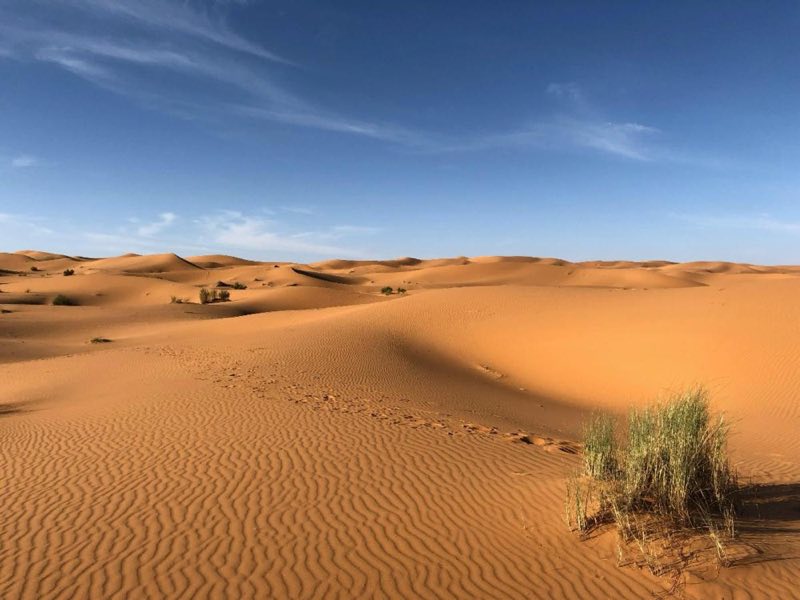
- How physical therapy helped our client, Matt, complete the Marathon des Sables, a 160-mile ultramarathon through the Sahara Desert
The Marathon des Sables: A Test of Grit and the Power of Physical Therapy
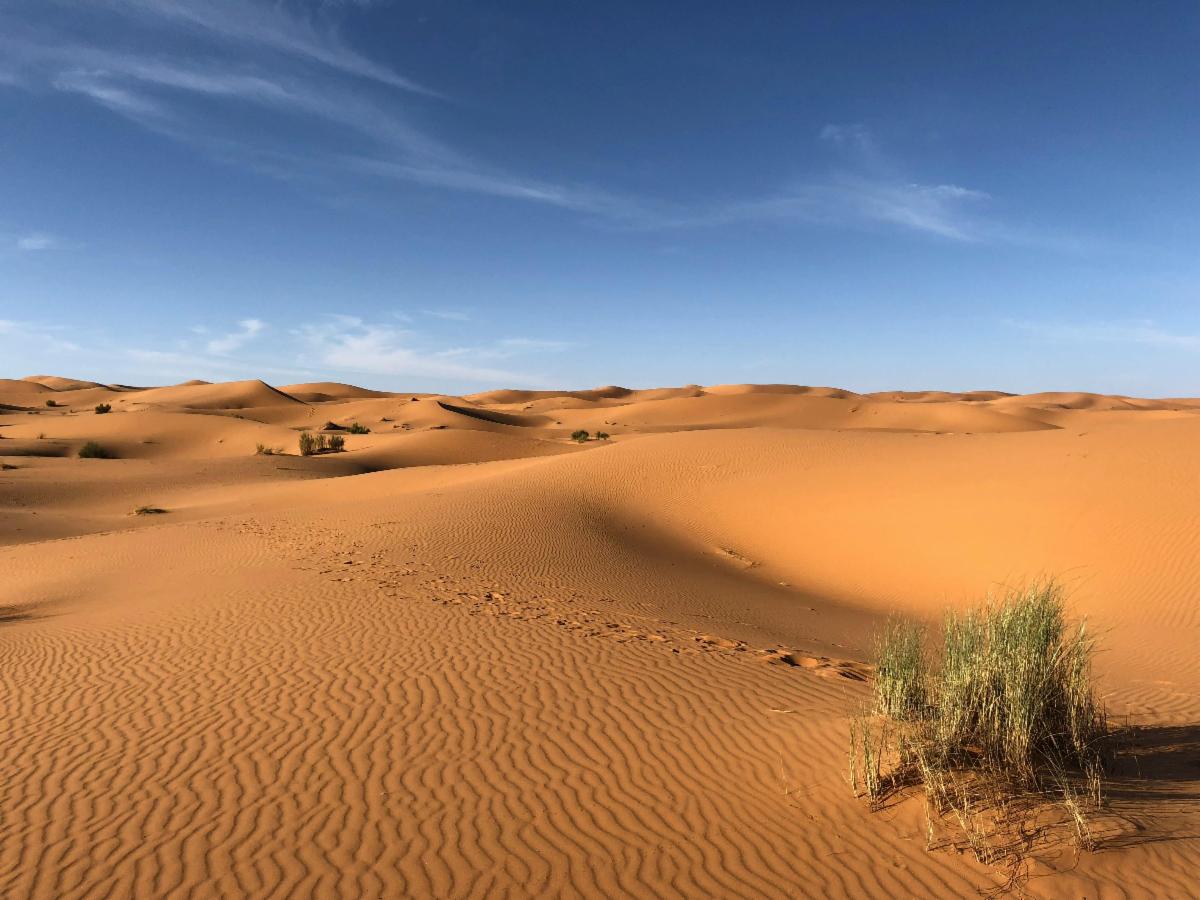
Prologue
By Will Austin, PT, DPT, OCS
Are Ultra-Marathons the New Marathon?
Ultramarathons, defined as endurance events of 50 kilometers or greater, have never been more popular. With advances in sport science, training programs and gear, I would argue that for some, ultra-marathons are the new marathon. Our client, Matt, recently shared an account of his experience during the Marathon des Sables, a multi-stage 160-mile trek across the Northern Sahara Desert. Below is a brief commentary on how the body and mind can achieve such extraordinary feats followed by Matt's entertaining account of his experience of the 2024 MDS.
The Ultra-Adapted Runner
The human body is remarkably adaptable and resilient, especially when challenged by the extreme demands of ultramarathon events. These races, often exceeding 50 kilometers, push the boundaries of physical and mental endurance. With consistent training, the body undergoes significant adaptations: skeletal muscles increase mitochondrial density, improving energy production; the cardiovascular system becomes more efficient, enhancing oxygen delivery; and connective tissues strengthen to withstand repetitive impact.
One of the most profound changes is metabolic flexibility - the ability to utilize both carbohydrates and fats for fuel, essential for sustaining energy over many hours. The body also fine-tunes thermoregulation, becoming better at sweating and maintaining core temperature under prolonged exertion.
Beyond physiology, resilience emerges from neuromuscular adaptations and mental toughness. Runners learn to pace themselves, tolerate discomfort, and maintain focus through fatigue and adversity. Hormonal regulation, particularly of cortisol and endorphins, helps modulate stress and pain perception.
Recovery mechanisms also improve, allowing the body to repair and adapt after intense effort. While ultramarathon training stresses every system, it also teaches the body to respond and rebuild. This balance of breakdown and repair highlights the extraordinary capacity of the human body to endure in the face of extreme physical challenge.
The following article is by our ultra-amazing client, Matt:
I never considered myself a runner. In fact, I had a rather strained
relationship with running and heat - two things that define the Marathon
des Sables (MDS). Yet there I was last April, standing at the start
line of this multi-day, self-sufficient ultramarathon that stretches
across 160 miles of the Sahara Desert.
The event, which took place in Southern Morocco's serenely desolate
Sahara Desert, is a true test of endurance. Participants face harsh
conditions, long distances, equipment wear, and the discomfort of
being self-sufficient for eight nights in decidedly inhospitable
conditions. The race distances vary each day, and in 2024, they ranged
from 13 to 55 miles. Competitors must carry all their food, equipment,
and sleeping gear up to a limit of 15 kilograms - excluding water. The
organizers provide tents, basic ablutions, and a daily water ration,
leaving everything else to each participant's ingenuity.
The journey to the start line was as much of a challenge as the race
itself. After paying the entry fee, the instructions were simple: "Be
at Ouarzazate Airport in Morocco by 8 a.m. on April 12th with
mandatory equipment and medical clearances." The rest was up to us,
with a plethora of online opinions guiding our choices. I relied
heavily on podcasts during my training runs, blending advice from
seasoned runners with my instincts to plan my gear, hydration, and
nutrition.
Given my aversion to running and heat, preparing for the MDS was
indeed a daunting task. It wasn't a midlife crisis that led me here;
rather, a languishing bucket list check box left over from my 20's.
The decision came in late October 2023, and from November onward, I
was committed to fixing my body, getting running fit, and acclimating
to the heat - all within five months. I was not starting from a good
place despite considering myself an endurance athlete in rowing and
swimming. I remember the first training run, a mere 5km, where the
aftermath left me with hips that screamed in pain and felt out of
place and knees that did the same. My nagging SI joint injury from
over exuberance in a game of soccer in 2016 was biting me and
everything felt well worn. I reached out to Shawn for advice and he
promptly made an appointment to assess me.
Appointment one revealed that my hips and knees were indeed taking the
brunt of the abuse when running. The use of different muscles from
swimming and rowing was obvious to Shawn and he pointed out that the
SI joint weakness and the hip pain was simply due to an absence of
decent muscle in those areas. I'm someone who tends to research first
and ask questions later but as testament to Shawn's expertise I left
my first appointment with exercises that had immediate impact on my
instabilities and which were not in my existing repertoire, despite
personal efforts to address them with other physiotherapists and an
abundance of youtubing. With his advice and ongoing guidance in hand I
set to the task of fixing myself before undertaking any serious
distances on my feet.
Within 3 weeks of performing my physical therapy religiously I felt
good enough to undertake some serious distances, starting with 5 miles
and building to a series of weeks that covered 100 miles per week and
more than a few back to back marathon distances. With Shawn's guidance
I found myself pain free for the first time since 2016.
The Marathon des Sables is not just about running though, heat
acclimatization was another key component. To prepare for the
oppressive desert sun, I combined hot yoga with rowing sessions, using
room heaters, thermal underwear and a neoprene suit with hood to
simulate the conditions. This training helped me manage my core
temperature and perform well even in the extreme heat of the Sahara.
The 12th of April, a date highlighted in red on my phone's calendar
for the past 5 months arrived. The time was 8am and along with 900
competitors from over 60 countries we commenced the boarding of the
convoy of buses that would meander their way through the final 6 hour
leg of the journey to the desert. A mix of open desert, more of the
Atlas mountains and dwindlingly populated villages laid the path to
the start line and the enclave of black Hessian sack-like bivouacs
that would serve as our nomadic home for the next 8 days. There is a
day in camp to give competitors an opportunity to rethink and repack
gear as well as share stories and glean insight from old hands. Most
erring to save every ounce possible from their packs and ultimately
giving away or discarding all manner of items even food and clothing.
The native Berbers there as local support delighted at the donations.
The organisers were thorough in checks to ensure the minimum of 2000
calories of food and the mandatory safety equipment was present for
each entrant. This period of calm before the running also gave an
opportunity to appreciate the heat, dryness and general approach to
desert living. Often there was a choice while inhabiting the tent. One
could have a very gentle, but discernibly cooling, breeze of air that
carried with it a fine dust of sand that pervaded every opening, or,
drop the side of the tent facing the breeze, removing the cooling
effect and replacing it with a cloak of hot air. Getting each tent’s
eight occupants to agree to either stifling heat or sandblasted skin
was usually a game of diplomacy. Living was as basic as it comes. The
latrines were nothing more than a crudely fashioned seat over which
one placed a compostable plastic bag to catch and contain business
transactions before removing it and putting it in a trash can that sat
at the front of the inevitable queue nervously shuffling runners . The
privacy screens were a nice touch for when the wind was absent but
became a trial of wits when it was blowing and an outright menace to
toilet goers when it was blowing hard...which was frequent.
The camp atmosphere the night before the first stage was one of great
anticipation. Old hands with multiple MDS's under their feet could be
heard offering last minute advice as one mooched about the camp. Piles
of discarded kit was being rethought, questioned, packed and unpacked.
Food was circulating as everyone ate their last hearty meal before
resorting to leaner rations in the days ahead. Sleep came fast with
mental exhaustion reaching out and claiming the campground silence for
itself.
Stage 1 (20 miles): The first stage provides a taste of moving through
the desert but not before a mandatory 30-minute briefing where the
organisers and medical teams talk about the conditions and how to cope
with certain aspects of the route. After the briefing Patrick
Hernandez's 'Born to be Alive' and AC/DC's 'Highway to Hell' would amp
everyone up before crossing the start line. The terrain was mixed with
stretches of packed sand beneath feet yielding to soft shifting sands
that drained strength and impeded progress. There were three sizable
elevation gains, each one accompanied with a slog up a sandy gully
followed by an albeit too short descent. The air was hot, dry, not
stifling but still draining and provoking elevated heart rates which
if heat stroke was to be avoided, needed to remain below 140. The last
leg of this stage was long and hot but I was feeling good getting the
first stage done despite stumbling upon the skeletal remains of what
was once a camel. The evening conversations reflected the relief felt
at getting a stage under one's belt, the anxiousness giving way to a
certain level of excitement for the following day.
Stage 2 (26 miles) was close to the full marathon distance and we
were warned at the early morning briefing that temperatures would be
higher than the previous day. The start led into a long hard climb for
around 4 miles in loose sandy conditions. Many resorted to using poles
to maintain traction and reduce leg exertion, and while it helped, it
was also going to sap arm strength early in the day. Overall the stage
was stunning with many elevation gains through dunes and spectacular
views being the reward for some mighty efforts overcoming the unstable
sand. There were some long stretches that forced water rationing and a
feel for real heat with it climbing to over 115’F in the shade....of
which there was none. It wasn't uncommon to pass some sparse outcrops
of low vegetation and find a competitor or two huddled into a dark
patch of ground that barely passed as shadow. At the end of this stage
everyone was feeling the same nervousness. The day was hard, it was
hot, it felt long and many were on their last legs when crossing the
finishing line. To think about doing more than double the distance in
around 12 hours' time was more than some could take and it prompted a
number of withdrawals.
Stage 3 (55 miles) brought with it a deep trepidation. This was going
to be a distance further than many competitors had ever covered with
55 miles broken over 7 checkpoints. The early part of the route
included 3 big climbs up some formidable Jebels and around 3000ft of
elevation gain. This suited me and I found my 'rowers legs' powering
up and then maintaining a good pace along the rocky, near vertical
ridges, many years scampering through the craggy Scottish Highlands
paying dividends as I rock hopped through a field of competitors much
less accustomed to the terrain. This stage was going to prove to be my
best day and my worst day rolled into one. I felt strong throughout
but was plagued from Checkpoint 2 onwards with ever worsening
blistering on my feet. I was to later find out it was simply trauma to
both forefeet from the hot rocky conditions. The blisters were not
from friction, but from impact and when they burst, they burst deep
within my foot, first one, then the other; separating the pad of skin
from the rest of the foot. When they popped I thought I had stepped on
a long thorn initially. There was nothing that could be done. It was
going to be very painful from this point forward and the best
description I can provide is to ask the reader to imagine around 40-50
very short tacks under the front of each foot. No matter how gently
you placed your foot down, the tacks were there and they would press
into the foot. I had around 100 miles to the finish at this point and
I reasoned I would have to endure this torture for another 180,000
steps.
I completed stage 3 in good time, managing, much to my surprise, a top
50 finish. It took me a little over 16 hours to complete and with it I
drank 29 liters of water (7.5 gallons) without peeing at all until the
following day.
Stage 4 (28 miles) should have brought some joy. The hardest day was
theoretically over but my journey, my test, had only just begun. On
the previous day adrenaline got me through but in its absence getting
going with my feet screaming at me was as big a test of willpower as
I’ve ever had. The first mile I needed to be in my head, partially
stamping my feet down into the sand to force my brain into accepting
the pain and then dealing with it from there. I could feel the watery
fluid build up and squidge around as my forefoot slid back and forth
in loose sandy conditions. I invented new profanities, screaming them
loudly in my head. I would at times take a loose strap from my pack
and place it between teeth out of fear of damaging them through
clenching. The only real upside to the pain in my feet was that it
took my attention away from the searing heat. Stage 4 was a real
humdinger with one competitor claiming to read 125F on his thermometer
while sitting in the shade. This was my toughest day. I knew I
wouldn’t quit. My little heroes at home and their messages of
encouragement seared into my brain would see to that. In my mental
state I would find my kids a little distance ahead teasing me and
joking about having an itsy bitsy teenie weenie little blister and
telling me to get a move on. Sometimes my cute little mirages just
needed to say ‘you can do it dad’ and I’d summon what was necessary to
get to the top of the next dune or press on to the next water stop.
Stage 4 was brutal.
The final two stages (20 miles and 13 miles) echoed the trials of
stage 4. The distances were shorter, the heat just as oppressive, the
terrain just as curse inducing and neither could be enjoyed to the
extent they deserved due to the pair of Spanish Inquisitors still
trying to get confession out of my rather pitiful looking slabs of
feet. I wasn’t alone, others were in a similar condition and I was
grateful it wasn’t muscular or chafing from the pack. The wear and
tear of the prior 5 days left many nursing blisters, aches, muscle
strains or a compromised physical condition due to flirting with heat
stroke. The desert had become something familiar at this point. When
it blew hard you barely noticed, pulling the shemagh or buff over your
mouth and nose and barely breaking stride. Check points by this point
had become choreographed affairs as water bottles were filled and
stored with familiar movement and words of encouragement "not far to
go now" are heard as backs turn and faces once more point to the
finish line, and oh what a finish line. It's hard to describe the
emotions that flood your brain as you cross over, hugs from the
organisers who have pushed and encouraged everyone through each
checkpoint along the way. The knowledge it is over, that I'd finished,
that the past 6 months had culminated in this single defining moment
and I'd achieved what I came out to do. I'd like to say that I didn't
care about my position but that wouldn't be entirely true. Before I
left my sister asked where I hoped to place and I said in the top
half, so around 500th. I came in 318th, dropping from 187th after day
three due to the inability to put my pace into the ground and instead
embarking on flamboyant hobbling over the last 100 miles. I was happy
with it and try not to think about what might have been had I selected
different footwear.
The journey back from the desert was very different to the one made 8
days earlier. Everyone felt like they knew everyone else. There was a
feeling of intense solidarity and deep regard for hearing each other's
stories. An awards ceremony back in Ouarzazate capped the event off
perfectly with the highlight being a short movie that captured the
event as a whole perfectly. I was pleased to provide a couple of
cameo's though I look mad as a hatter during one particular clip. I'd
also love to say that the pain in my feet went away but sadly it did
not until some significant healing had taken place over the following
3 weeks. I lamented the return gate at Logan being at the far end of
the airport from immigration and looked most peculiar as I performed
my hobbling at an excited pace, urging expediency to be home with my
family and back to a sense of normality.
Epilogue
It is my firm belief that anyone who is reasonably fit and able can
accomplish this endeavour. I won't say I recommend it, but for those
seeking a life changing event, this is one for the books. Looking back
on myself before and after I can say that I regained a deeper
connection to myself. I reminded myself what I am capable of and what
many others are capable of. The sand and the heat is a leveler, it
forces you to confront discomforts that are very hard to attain within
life's usual parameters. In my youth I read of turn of the century
polar explorers such as Captain Scott and Shackleton. I was inspired
by their accounts of daring-do but found their level of discomfort,
marching with frostbitten feet across hundreds of miles of ice
somewhat unrelatable. I now have an inkling of what they endured and
how our minds bend to the tasks at hand and the challenges before us.
I intend to maintain at least some level of the physical conditioning
this adventure brought. From November to the end of April I lost
nearly 30Ibs, some from releasing stored energy supplies but much from
reconfiguring my musculature away from being a rower and swimmer, to a
runner. I had incredible support from friends and family as well as my
local community who donated to my two chosen charities, Sobell House
Hospice that supports end of life care in the UK and the US arm of
Doctors without Borders. I give particular thanks to Shawn Sprague who
never doubted my sanity and provided me with advice, knowledge and
encouragement to finish. None of this would have been possible without
my family who trusted me to come back and to my wife who held everyone
together in my absence. Asked whether I would do it again my answer is
yes but it would need to be for a good reason because there is no
doubt the commitment to the Marathon des Sables is necessarily high
and there are not insignificant sacrifices made along the way.
Learn More From Us!
- Have questions? We're happy to help! Shoot us an email at ptprogressionma@gmail.com
- Rather call? We're happy to chat over the phone at (508) 650-1984