
Improving Your Health While Improving the Planet

- What new Harvard research says about nutrition, longevity, and performance
- How to take action this Earth Month by joining the 1 Million Tables challenge
- We are hiring at PT Progression and looking for the right fit to join our team
Growing up, my hero wasn’t just an action star, it was Chuck Norris. What stuck with me wasn’t just the toughness, it was the discipline and commitment to health he stood for.
I spent countless hours watching Total Gym infomercials with Christie Brinkley, not realizing they were quietly shaping my future. That idea, that you could take control of your health at home, stuck.
Chuck helped spark something bigger. Over 4 million Total Gyms sold. One of the most successful fitness products ever. And really, the start of the home gym movement.
Now it’s come full circle. The home gym is the new status symbol. Not home theaters. Not cars sitting in the garage. Real value is investing in your health. Everyone should have access to a space that makes them stronger, more capable, and more resilient.
Looking back, it’s pretty clear where that mindset started.
RIP, Chuck.

Your Plate Has More Power Than You Think
What if improving your health also helped the planet?
New research out of Harvard is reinforcing something simple but powerful. The way you eat every day impacts not just how you feel and perform, but also your long term health and the environment around you.
A good place to start does not need to be complicated. What’s good for your health is good for the planet. And an easy way to take action is by signing up for www.1milliontables.org and committing to one plant based meal.
In honor of Earth Month, with Earth Day on April 22, it is a small step that can make a meaningful impact.
Eat Better, Move Better, Live Longer: What Your Plate Has to Do With Earth Day
Earth Day usually gets us thinking about things like recycling, energy use, and the environment. But there is one area most people overlook, and that is what we eat every day. At PT Progression, we focus on helping people move better, feel better, and stay active for life, and nutrition plays a major role in that. A recent Harvard study followed over 200,000 people for decades and found something worth paying attention to. The way you eat does not just impact your health. It also impacts the world around you.
The study showed that people who followed a balanced, mostly whole food diet had about a 30 percent lower risk of early death, along with lower rates of major diseases like heart disease and cancer. At the same time, those same individuals had a significantly lower environmental impact. The takeaway is simple. The same habits that support your body also tend to support long term sustainability.
This is where food choices start to matter beyond just calories and macros. Not all foods have the same environmental footprint. In general, plant based foods require less land, water, and energy to produce, while animal based foods, especially red meat, tend to require more resources. That does not make meat and dairy bad, but it does mean they are more resource intensive. In this study, people who ate more plant forward diets saw:
- Lower greenhouse gas emissions
- Less fertilizer use
- Significantly reduced land use
That last piece is important because reduced land use allows for reforestation, which helps offset long term environmental impact.
It is important to be clear about what this does and does not mean. This is not an argument for eliminating meat or becoming vegan. The dietary pattern studied still included meat, dairy, and fish. The difference was in the balance. Plant based foods made up the foundation, while animal proteins were included in more moderate, intentional amounts. That approach is not only more sustainable, it also tends to be easier to maintain long term.
For active adults, this matters more than most people realize. At PT Progression, we are not just thinking about general health. We are thinking about recovery, energy, performance, and how your body holds up over time. Nutrition plays a direct role in all of it. Better food quality often leads to:
- Faster recovery between sessions
- More consistent training
- Better overall performance and energy
Applying this does not need to be complicated. Build meals around whole foods first. Include a quality source of protein at each meal. Fill a large portion of your plate with vegetables and fruits. Mix in plant based proteins like beans, lentils, or nuts. Keep meat and dairy in your diet, but be a little more intentional with portions. Limit highly processed foods when possible. These are simple changes, but they add up over time.
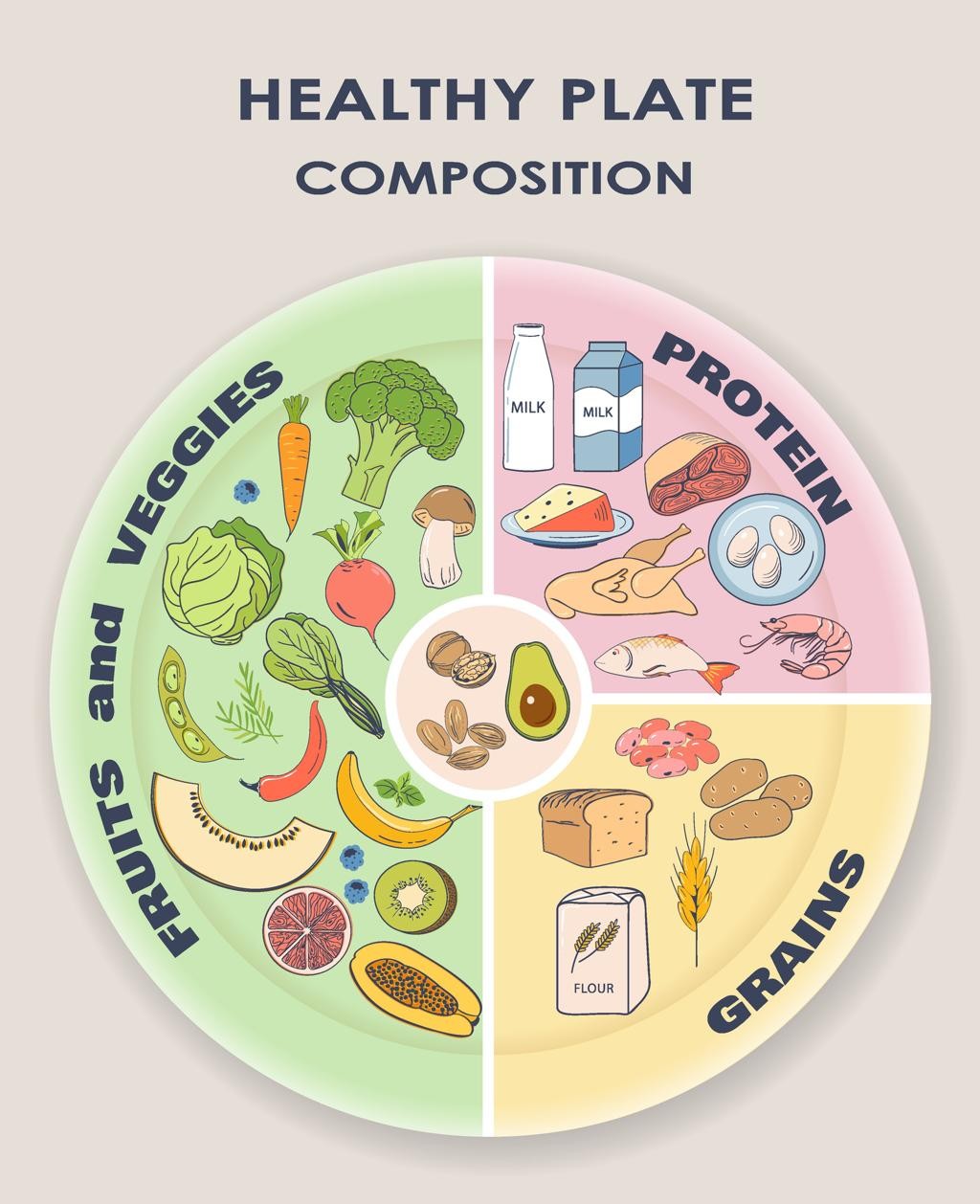
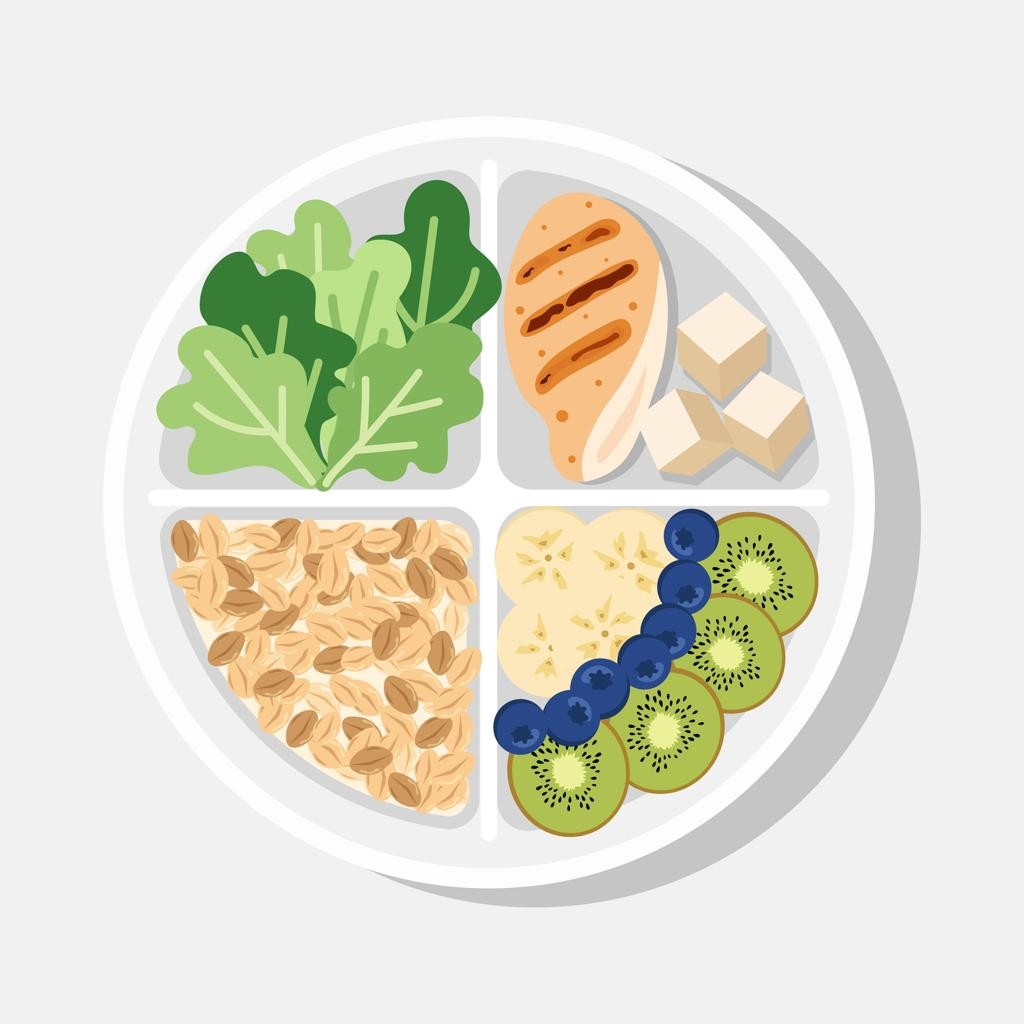
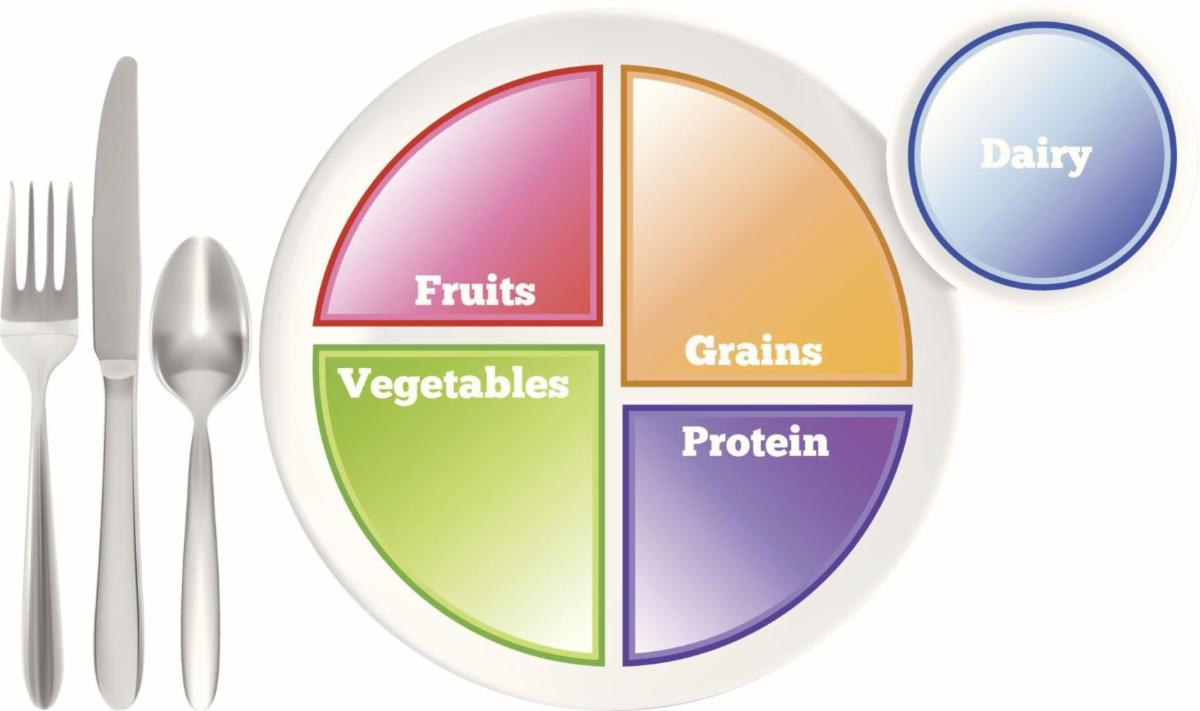
The shift toward a plate model, like the one shown above, reflects where nutrition guidance is heading. It is less about strict rules and more about balance within each meal. Even as guidelines evolve, the fundamentals remain consistent. Focus on whole foods, get enough protein for your activity level, and stay consistent with your habits.
Earth Day is not about being perfect. It is about being more aware and making better choices where you can. The same applies to nutrition. You do not need extremes or major overhauls. Small, consistent changes toward better quality food, more plants, and smarter balance can improve your health, support your performance, and contribute to something bigger over time.
We Are Hiring!
PT Progression continues to grow, and we’re looking for a motivated Physical Therapist who wants to be part of something different.
Our model is simple: one-on-one care and the freedom to truly focus on helping people move and perform better. We work with active adults, athletes, and people who want to stay strong for life.
This is a great opportunity for someone who values clinical autonomy, building real relationships with patients, and being part of a positive, team-oriented environment.
If you or someone you know might be a good fit, we’d love to connect.
Reach out to Shawn to learn more: ptprogressionma@gmail.com



Learn More From Us!
- Have questions? We're happy to help! Shoot us an email at ptprogressionma@gmail.com
- Rather call? We're happy to chat over the phone at (508) 650-1984