
Peptides: Help, Hype, or Both
- What peptides are and how they function in the body
- How peptides are used in health and performance
- Potential risks, benefits, and unanswered questions surrounding peptide use
Peptides: Hype, Help, or Both?
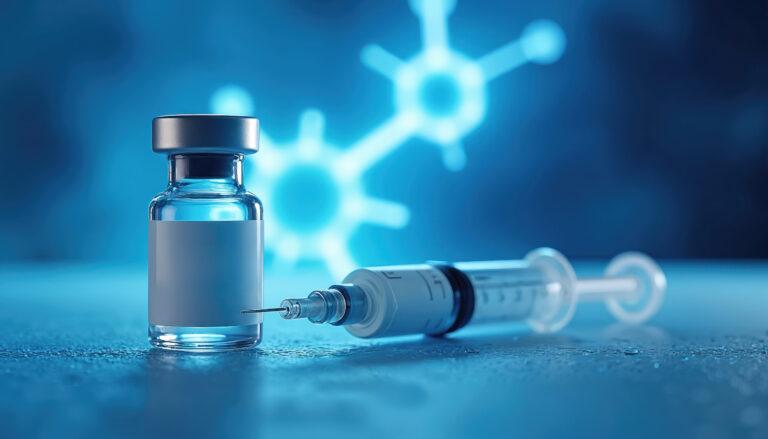
The global peptide therapeutics market is booming, with 45 billion in sales as of 2024 and projected to reach over $146 billion within 10 years as more people discover their potential. But what exactly are peptides?
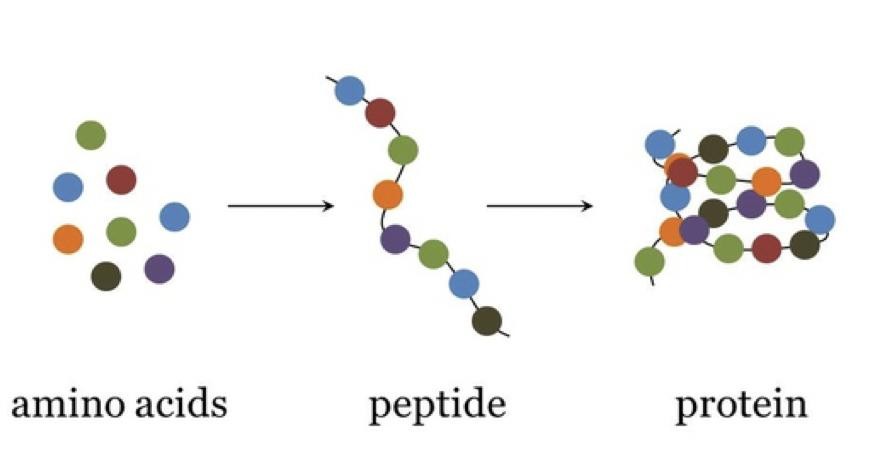
Simply put, peptides are short chains of amino acids—the building blocks of proteins—that naturally occur in the body. Because of their small size, they act as cellular messengers, signaling the body to perform specific functions like releasing hormones, reducing inflammation, or repairing tissue.
There are ~2500 other peptides currently being investigated, with several in later stages of the clinical research pipeline. They appear to have a host of promising benefits including improved muscle recovery, collagen synthesis and fat metabolism, boosted immunity or brain function.
The most talked about peptides of late have undoubtedly been glucagon like peptide 1 (GLP-1) analogs. The efficacy, apparent safety and extensive off label benefits of this class of compound are very compelling. Other peptides you’ve probably heard of include insulin, beta-endorphin (responsible for runner’s high), and collagen peptides. Some are orally active, but most are better administered via injection to allow tighter dosage control.
Several less widely known peptides are explicitly prohibited by world sporting organizations. BPC-157 and TB-500 specifically are sought after for their muscle building, fat loss and recovery enhancing effects and find themselves on banned substance lists globally.

Questions Regarding Safety
The surge in peptide popularity and availability precedes concrete answers about safety, particularly considering the vast majority lack FDA approval. It is crucial to understand the distinction between FDA-approved peptide medications—like the GLP-1 agonists (e.g., semaglutide) used for weight management and diabetes— and "research peptides” such as BPC-157. These research peptides are not approved by the FDA for human use and lack large-scale, long-term human clinical trials. In late 2023, the FDA even cracked down on compounding pharmacies producing certain peptides due to safety concerns.
Some of these most promising peptides are widely available online via a ‘gray market’. Small glass vials are sold as research-grade (as opposed to medical-grade), allowing retailers to skirt FDA regulations. On one hand, proponents tout the safety of peptides since many of these compounds are or are similar to compounds naturally produced in the body, inferring that they are likely safe by nature. It’s important to acknowledge, however, that the reason most peptides aren’t FDA approved yet is that they haven’t been studied for safety and efficacy in large scale human clinical trials.
The PT Progression Takeaway
If you are considering exploring peptide therapy, please don't make the decision lightly. It is highly recommended that you at least consult with a licensed physician before purchasing unregulated products online. There is still no silver bullet or replacement for doing the hard work of maintaining a healthy lifestyle. Working out, sleeping and eating well boosts our endogenous peptide system, which in turn yields ALL the benefits mentioned above!
It’s possible a handful of these peptides may be widely used within the decade as have GLP-1s. But for now, we’re waiting on high quality clinical studies to confirm efficacy and demonstrate long term safety before adopting peptide therapies for ourselves or recommending them for clients.
-Will Austin, PT, DPT, OCS

Marathon Monday
Wishing the best of luck to everyone running the Boston Marathon today. And we hope those of you going as spectators enjoy this local tradition as much as we do!


We Are Hiring!
PT Progression continues to grow, and we’re looking for a motivated Physical Therapist who wants to be part of something different.
Our model is simple: one-on-one care and the freedom to truly focus on helping people move and perform better. We work with active adults, athletes, and people who want to stay strong for life.
This is a great opportunity for someone who values clinical autonomy, building real relationships with patients, and being part of a positive, team-oriented environment.
If you or someone you know might be a good fit, we’d love to connect.
Reach out to Shawn to learn more: ptprogressionma@gmail.com


Learn More From Us!
- Have questions? We're happy to help! Shoot us an email at ptprogressionma@gmail.com
- Rather call? We're happy to chat over the phone at (508) 650-1984