
Continued Discussion About Use of Peptides
- Where to access peptides
- How and what to use peptides for
- What to know before you consider them
Peptides Part 2: Hype, Help, or Both?
Last week, we outlined what peptides are, along with the safety concerns and lack of FDA approval surrounding many of the compounds currently being discussed.
This week, we want to make it more practical. If someone is considering peptides, where are they actually getting them, and what should they know before going down that path?
Access has expanded quickly over the past few years. Most people today are obtaining peptides through telehealth platforms, local wellness or longevity clinics, and certain concierge or functional medicine practices. These providers typically work with compounding pharmacies to dispense the medications.
It is worth making a clear distinction here. There is a significant difference between peptides prescribed through a licensed provider and those purchased online as research chemicals. The latter are not intended for human use and come with real concerns around purity, dosing accuracy, and contamination.
Even within the medical channel, the level of oversight can vary. Some providers take a comprehensive approach, including lab work, medical history, and ongoing monitoring. Others operate more transactionally. That variability matters, especially when dealing with compounds that are still in a relatively early stage of clinical understanding.
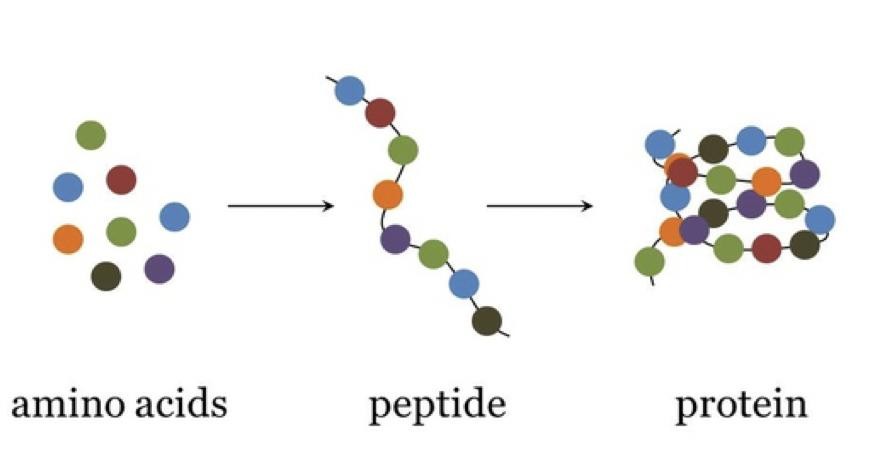
Most of the interest in peptides is centered around recovery and performance. Compounds like BPC-157 and TB-500 are often discussed in the context of soft tissue healing and inflammation. Others, such as CJC-1295 and Ipamorelin, are used in attempts to support growth hormone pathways, with the goal of improving recovery, sleep, and body composition.
You may also hear the term “Wolverine stack” or “Wolverine pack.” This is an informal label used to describe combinations of peptides aimed at accelerating healing. The name is compelling, but the reality is more nuanced. Much of what is being discussed is based on early research and anecdotal experience rather than large-scale human data.
There is a reason this space is gaining attention. In the right context, peptides may eventually play a role in supporting tissue healing, managing inflammation, and improving recovery capacity. That is particularly relevant for individuals navigating injury or trying to maintain a high level of performance.
At the same time, they are not a shortcut.

In our setting, the foundation remains the same. Progressive strength training, thoughtful load management, and consistent movement quality drive the majority of outcomes. If peptides are used, they should support that process, not replace it.
The sports world adds another layer to this conversation. While there is clear interest among athletes, many peptides are currently banned under organizations like WADA and USADA. For anyone competing in tested environments, this is a critical consideration. Even prescribed use can carry risk depending on the substance.
For those exploring this space, a few practical points are worth keeping in mind. Work with a provider who understands both your medical history and your training demands. Ask where the peptides are sourced and how protocols are determined. Be cautious of one-size-fits-all approaches or promises of rapid results.
As with most things in health and performance, the fundamentals still matter most. Sleep, strength, movement, and consistency tend to outperform everything else over time.
Peptides may become a more defined part of rehabilitation and performance care in the future. For now, the best approach is to stay informed, ask good questions, and view them as one small piece of a much larger picture.
If you have questions or want to talk through how this fits into your training or recovery, we are always happy to have that conversation.
We Are Hiring!
PT Progression continues to grow, and we’re looking for a motivated Physical Therapist who wants to be part of something different.
Our model is simple: one-on-one care and the freedom to truly focus on helping people move and perform better. We work with active adults, athletes, and people who want to stay strong for life.
This is a great opportunity for someone who values clinical autonomy, building real relationships with patients, and being part of a positive, team-oriented environment.
If you or someone you know might be a good fit, we’d love to connect.
Reach out to Shawn to learn more: ptprogressionma@gmail.com

Learn More From Us!
- Have questions? We're happy to help! Shoot us an email at ptprogressionma@gmail.com
- Rather call? We're happy to chat over the phone at (508) 650-1984