
The Hidden Highway Beneath Your Skin
The Hidden Highway Beneath Your Skin
How the interstitium is changing the way we think about movement, pain, and recovery.
For decades, anatomy textbooks taught us that the spaces between muscles, organs, and connective tissues were mostly dense and static. Turns out, that may not be true.
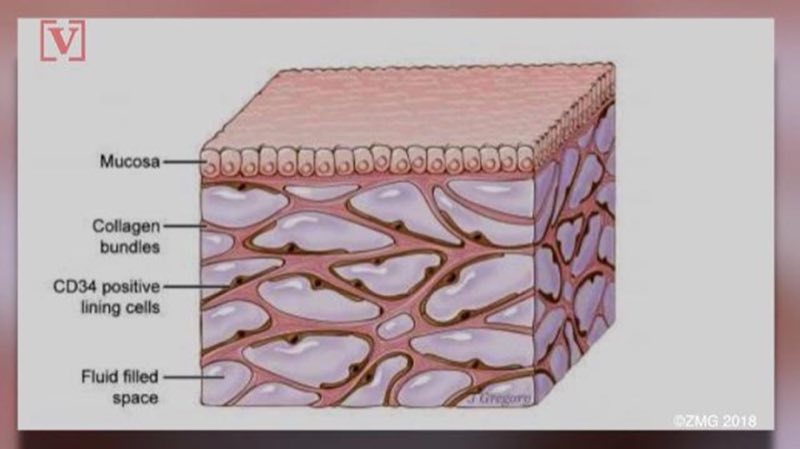
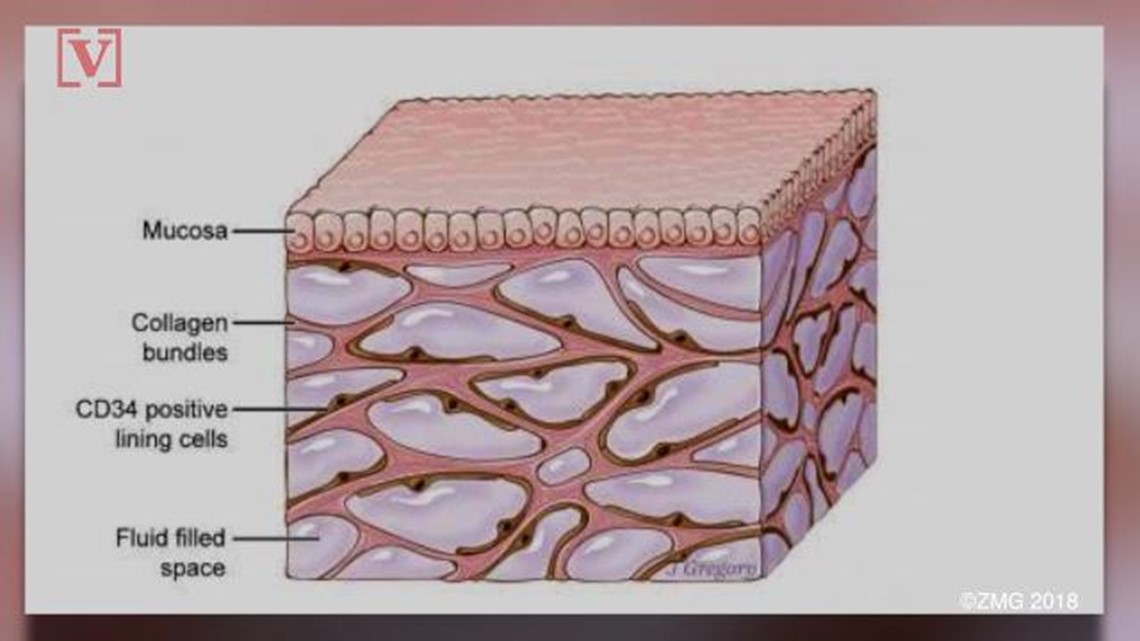
A recent New York Times feature spotlighted growing research around the interstitium. Simply put, it is a vast network of fluid-filled connective tissue that appears to function as one of the body’s major communication and transport systems. While researchers are still debating exactly how to classify it, the discovery is reshaping conversations around fascia, inflammation, chronic pain, mobility, and even acupuncture.[1]
To view the full article, Click Here ( Very entertaining format and engaging read!!)
At PT Progression, this caught our attention immediately. Because in many ways, it validates something movement professionals and hands-on clinicians have observed for years: the body behaves less like a collection of isolated parts and more like one integrated system.
And when that system stops moving well, problems rarely stay local.
So What Is the Interstitium?
The interstitium is best described as a body-wide network of microscopic, fluid-filled spaces supported by a flexible web of collagen and elastin.[2] Rather than being confined to one organ, these spaces exist throughout the body, beneath the skin, around muscles, surrounding organs, and woven through connective tissue layers.
For years, scientists missed it because traditional microscope techniques drained away the fluid before imaging the tissue. Once newer live-imaging methods became available, researchers realized those “solid” tissue layers were actually dynamic, hydrated structures.[2]
Think less “empty space” and more “shock-absorbing hydraulic network.”
Researchers now believe the interstitium may play a role in:
- Force transmission
- Tissue hydration
- Immune signaling
- Inflammation
- Mechanical stress adaptation
- Fluid transport throughout the body
While many questions remain unanswered, one thing is becoming increasingly clear: connective tissue is far more active and responsive than we once thought.
Why This Matters for Pain and Movement
This is where the conversation gets especially interesting for physical therapy.
The interstitium appears closely connected to fascia, which is the continuous connective tissue network that surrounds and links muscles, tendons, nerves, and joints throughout the body.[4]
For years, fascia was dismissed as little more than packing material. Today, research suggests it behaves more like a responsive sensory organ: adapting to stress, movement, hydration, and load.[4]
That changes how we think about stiffness, pain, and recovery. A “tight shoulder” may not simply be a shoulder issue. Restricted movement in one region can alter tension and fluid dynamics elsewhere in the system. This helps explain why movement dysfunctions often show up far away from the original source.
It also reinforces something we emphasize constantly in the clinic:
Movement is medicine — not simply because it strengthens muscles, but because it stimulates the health of the entire connective tissue system. Walking, strength training, mobility work, breathing mechanics, and manual therapy all create mechanical forces that help tissues adapt, hydrate, and recover. In many ways, movement acts like a pump for the body’s connective tissue network.
And inactivity?
That system tends to become less adaptable, less resilient, and less efficient over time.
What This Means for You
1. Hydration Requires Movement
Drinking water matters. But tissue hydration also depends on movement, circulation, breathing, and mechanical loading. A general benchmark is half your bodyweight in ounces per day.
2. The Body Functions as a System
Pain is often influenced by regions far beyond where symptoms appear. Effective rehab looks at movement patterns globally, not just locally.
3. Recovery Is Active
Connective tissue responds to load. Smart strength training, mobility work, manual therapy, sleep, and recovery strategies all help tissues adapt and remodel over time.
4. Movement Quality Matters
Not all exercise is equal. The body thrives on variability: strength, mobility, rotation, stability, elasticity, and controlled loading.
The Bigger Picture
The interstitium isn’t a miracle breakthrough or a magic explanation for every pain condition. The science is still evolving. But it is another reminder that the human body is more interconnected, adaptive, and dynamic than we once believed.
At PT Progression, that’s exactly how we approach care. Whether someone is recovering from injury, training for performance, or simply trying to move better long-term, our goal is the same: improve how the entire system functions, not just temporarily reduce symptoms.
Because better movement changes everything.
Sources & Further Reading
- The New York Times Magazine. Inside the Interstitium, the Human Body’s Hidden Pathways
- https://www.nytimes.com/interactive/2026/05/11/magazine/interstitium-anatomy-acupuncture-medicine.html
- Benias PC, et al. Structure and Distribution of an Unrecognized Interstitium in Human Tissues. Scientific Reports. 2018.
- Myers T. Anatomy Trains: Myofascial Meridians for Manual and Movement Therapists.
- Schleip R, Findley TW, Chaitow L, Huijing P. Fascia: The Tensional Network of the Human Body.
- Langevin HM, Yandow JA. Relationship of Acupuncture Points and Meridians to Connective Tissue Planes. The Anatomical Record.
We Are Hiring!
PT Progression continues to grow, and we’re looking for a motivated Physical Therapist who wants to be part of something different.
Our model is simple: one-on-one care and the freedom to truly focus on helping people move and perform better. We work with active adults, athletes, and people who want to stay strong for life.
This is a great opportunity for someone who values clinical autonomy, building real relationships with patients, and being part of a positive, team-oriented environment.
If you or someone you know might be a good fit, we’d love to connect.
Reach out to Shawn to learn more: ptprogressionma@gmail.com

Learn More From Us!
- Have questions? We're happy to help! Shoot us an email at ptprogressionma@gmail.com
- Rather call? We're happy to chat over the phone at (508) 650-1984