
Muscle Aches, Cholesterol, and Statins
Cholesterol, Statins, and why your muscles might ache
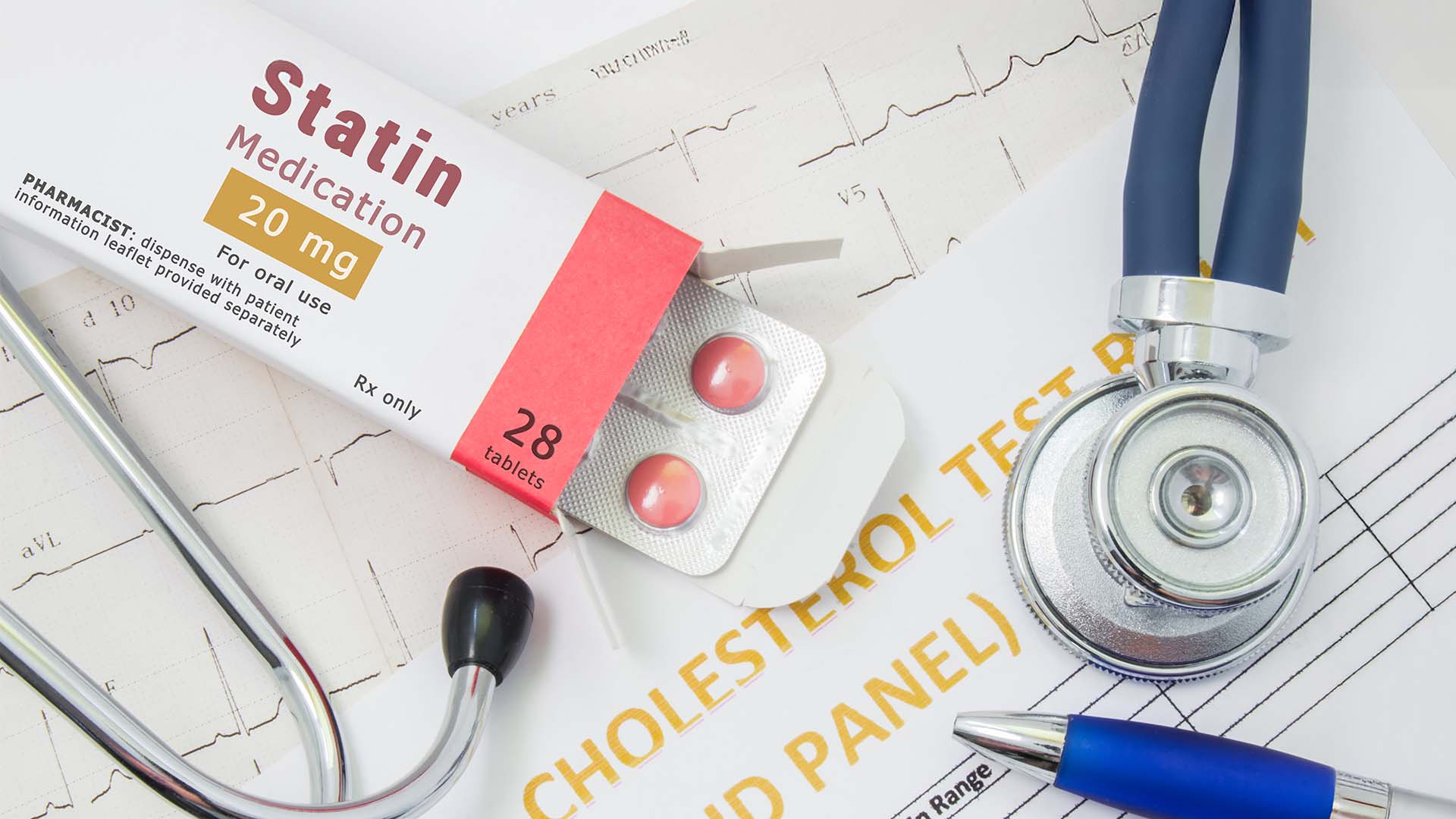
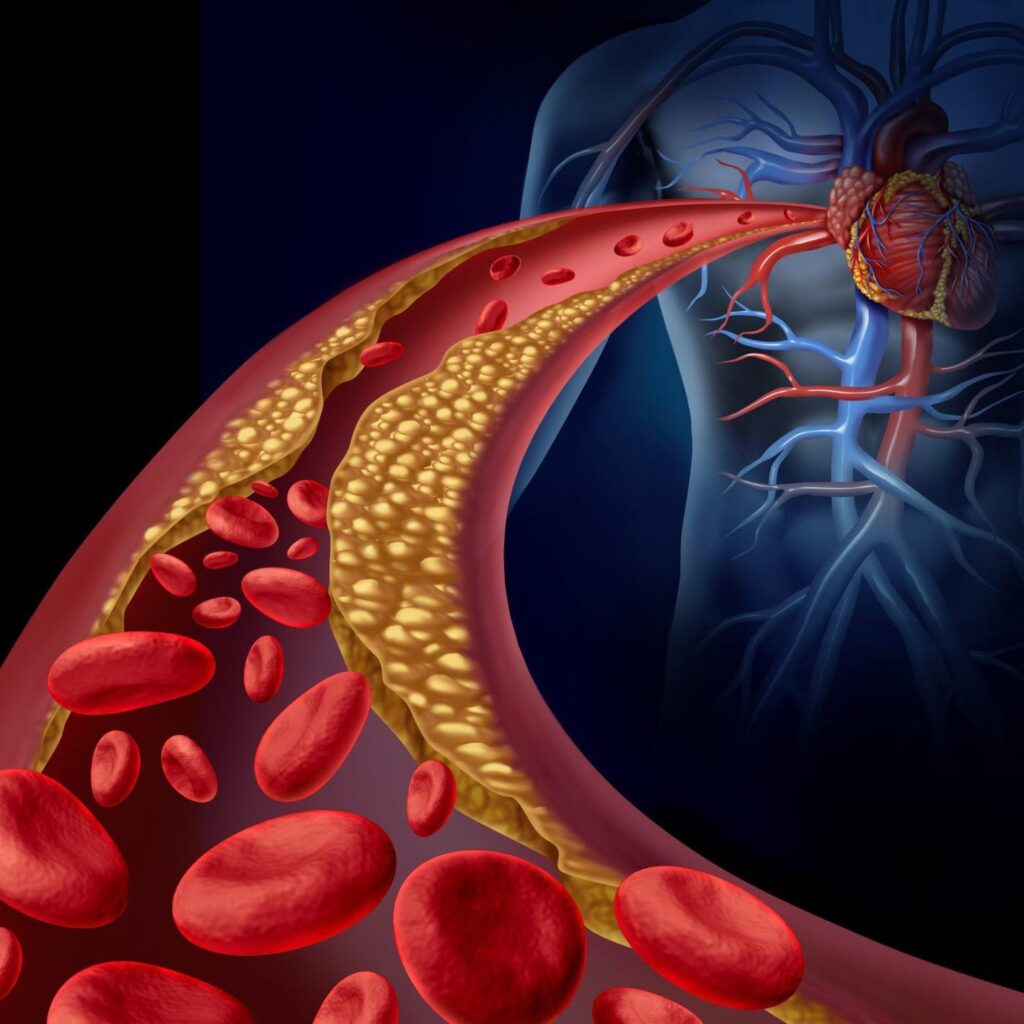
At PT Progression, many of our clients are already on a statin, or will likely be recommended one by their doctor at some point. Statins remain the front line treatment for high cholesterol because the evidence behind them is so compelling. Cholesterol is a waxy substance, specifically a lipoprotein, which is essential to body function. But too much of the “bad” kind (LDL) can build up in your arteries and raises your risk of heart attack and stroke. Statins lower LDL cholesterol, and large-scale research pooling data across dozens of trials found that meaningful drops in LDL cholesterol translate into a real drop in major cardiovascular events, like heart attacks and strokes, with the benefit compounding the longer someone stays on treatment. [1] That’s why national heart guidelines still list statins as the first medication doctors reach for. [2] But for some, new muscle or joint aches show up weeks or months into treatment. Here’s what’s actually going on, and how we make sure those aches don’t become a reason to stop moving.
1.What Are Statin-associated muscle symptoms?
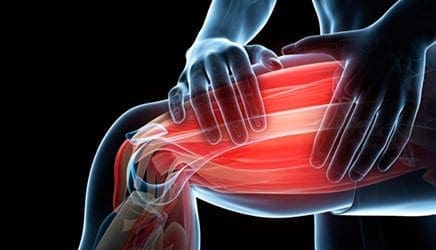
Statin-associated muscle symptoms, or SAMS, is the general term for the aches, cramping, weakness, or tiredness some people notice after starting a statin. Somewhere between 5% and 10% of people on a statin report some muscle discomfort, usually in bigger muscle groups like the thighs, calves, or lower back. This is caused by a statin-induced change in how muscle cells produce and use energy. These drugs work by blocking an enzyme your liver uses to make cholesterol, but that same pathway also produces coenzyme Q10 (CoQ10), a compound your muscle cells rely on to generate energy. Lower CoQ10 levels may impair that energy production, and this is thought to be a key driver of the aches, cramps, and fatigue some people feel. [4] This is also why some people see benefit from CoQ10 supplementation. A meta-analysis of randomized controlled trials found that CoQ10 supplementation meaningfully reduced muscle pain, weakness, cramps, and tiredness in statin users. [5] If you’re dealing with statin-related muscle symptoms, it’s worth asking your doctor whether a CoQ10 supplement makes sense for you.
2. What will my doctor do about my muscle symptoms, and are there other options?
National guidelines are clear that muscle aches alone usually are not a reason to quit your statin on your own, since the heart-protective benefit outweighs the discomfort for most people. [2] Instead, your doctor will dig into your symptoms, rule out other causes, and may adjust your dose or switch you to a different statin. And if a statin genuinely cannot be tolerated even after that? You have more options than you did a few years ago. Newer non-statin medications, like the injectable PCSK9 inhibitor Repatha (evolocumab) or the oral drug bempedoic acid, lower cholesterol through a completely different pathway and carry a much lower risk of muscle-related side effects. [2] The newest national cholesterol guidelines actually make it easier for doctors to reach for these sooner when statin side effects get in the way. Bottom line: never stop a prescribed medication on your own. There’s almost always another path to protecting your heart.
3. Can physical therapy help with statin-related muscle aches?
Yes, this is exactly where we come in. A study in the Journal of the American College of Cardiology put statin users, both symptomatic and asymptomatic, through a moderate-intensity strength and endurance program and found it improved muscle performance without making anyone’s symptoms worse. [6] Research in the Physical Therapy Journal backs up the same idea: guided, gradual movement is a safe way to manage statin-related muscle discomfort while staying active. [7] That matters because the goal is never to let myalgias sideline you from moving or exercising. Inactivity carries its own risks, and staying in motion is part of what protects your heart in the first place.
We build a strength and mobility plan tailored to your current tolerance, then progress it at the right pace as you improve. Along the way, we track your symptoms and share that with your physician, so any changes to dosing or medication are based on real data, not guesswork.
You don’t have to choose between protecting your heart and continuing to do the activities you love.
Are you or someone you know experiencing muscle or joint aches since starting a statin? Request a visit here
Citations
1. Association Between Lowering LDL-C and Cardiovascular Risk Reduction Among Different Therapeutic Interventions: A Systematic Review and Meta-analysis. JAMA. https://jamanetwork.com/journals/jama/fullarticle/2556125
2. 2026 ACC/AHA/AACVPR/ABC/ACPM/ADA/AGS/APhA/ASPC/NLA/PCNA Guideline on the Management of Dyslipidemia. Circulation (ACC/AHA Joint Committee on Clinical Practice Guidelines). https://www.ahajournals.org/doi/10.1161/CIR.0000000000001423
3. American College of Cardiology, Statin Intolerance clinical tool. https://tools.acc.org/LDL/StatinIntolerance/
4. Newman CB, et al. Statin-Associated Side Effects. JACC (Journal of the American College of Cardiology). https://www.jacc.org/doi/10.1016/j.jacc.2016.02.071
5. Effects of Coenzyme Q10 on Statin-Induced Myopathy: An Updated Meta-Analysis of Randomized Controlled Trials. Journal of the American Heart Association (JAHA). https://www.ahajournals.org/doi/10.1161/JAHA.118.009835
6. Moderate Intensity Exercise Training Improves Skeletal Muscle Performance in Symptomatic and Asymptomatic Statin Users. JACC. https://www.jacc.org/doi/10.1016/j.jacc.2021.08.075
7. Potential Adverse Effects of Statins on Muscle. Physical Therapy Journal (PTJ)
We Are Hiring!
PT Progression continues to grow, and we’re looking for a motivated Physical Therapist who wants to be part of something different.
Our model is simple: one-on-one care and the freedom to truly focus on helping people move and perform better. We work with active adults, athletes, and people who want to stay strong for life.
This is a great opportunity for someone who values clinical autonomy, building real relationships with patients, and being part of a positive, team-oriented environment.
If you or someone you know might be a good fit, we’d love to connect.
Reach out to Shawn to learn more: ptprogressionma@gmail.com
Learn More From Us!
- Have questions? We're happy to help! Shoot us an email at ptprogressionma@gmail.com
- Rather call? We're happy to chat over the phone at (508) 650-1984