
My Dry Needling Journey
- Five dry needling takeaways
- The latest progress in our expansion
Needles, Skepticism, and a Slightly Traumatized Lower Back: My Dry Needling Journey
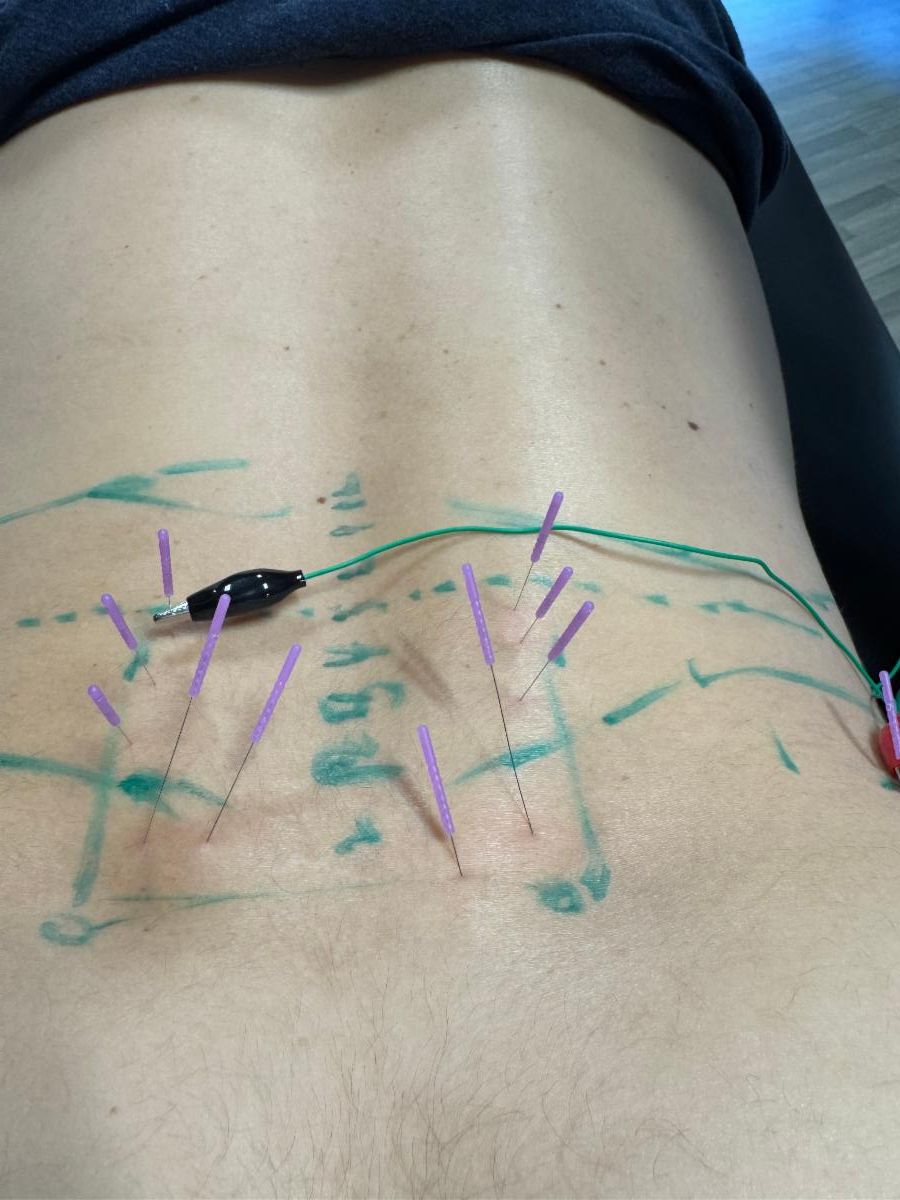
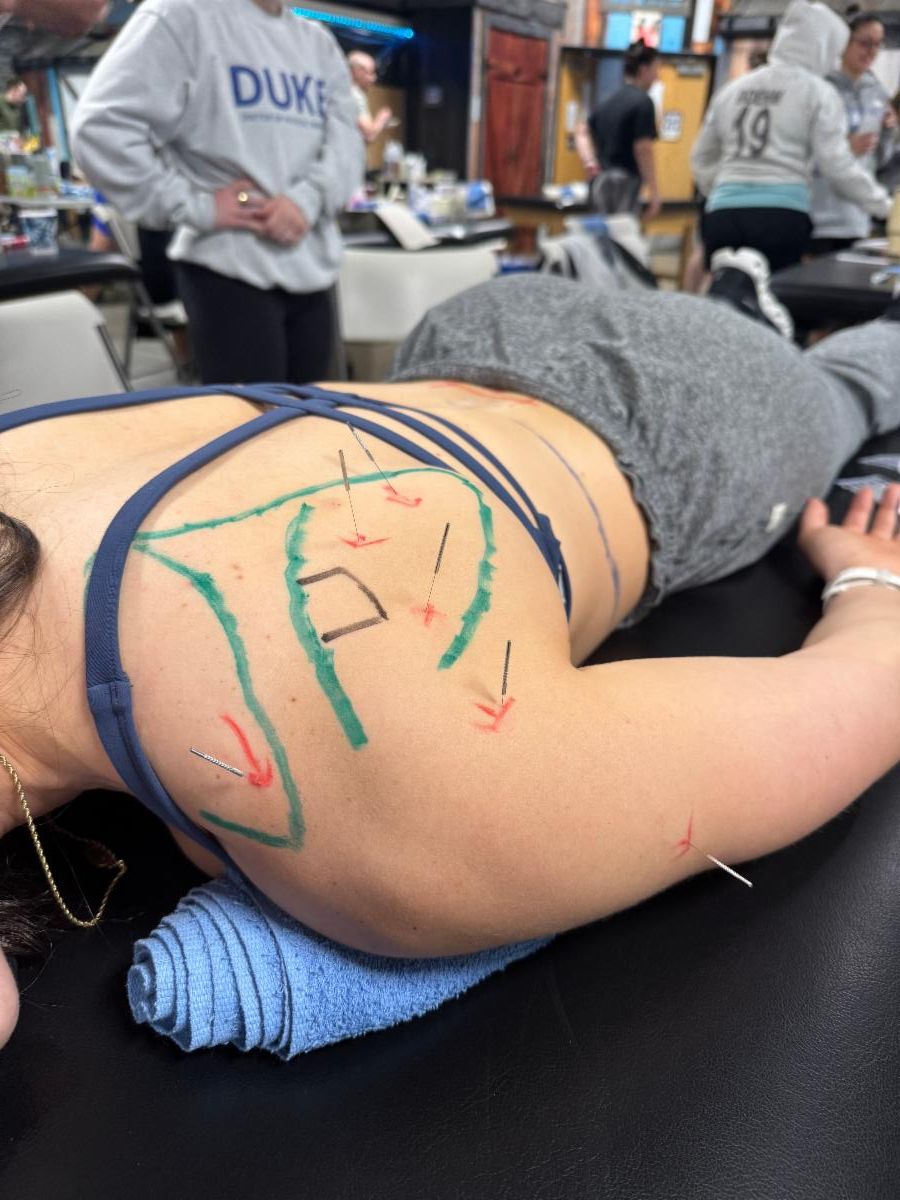
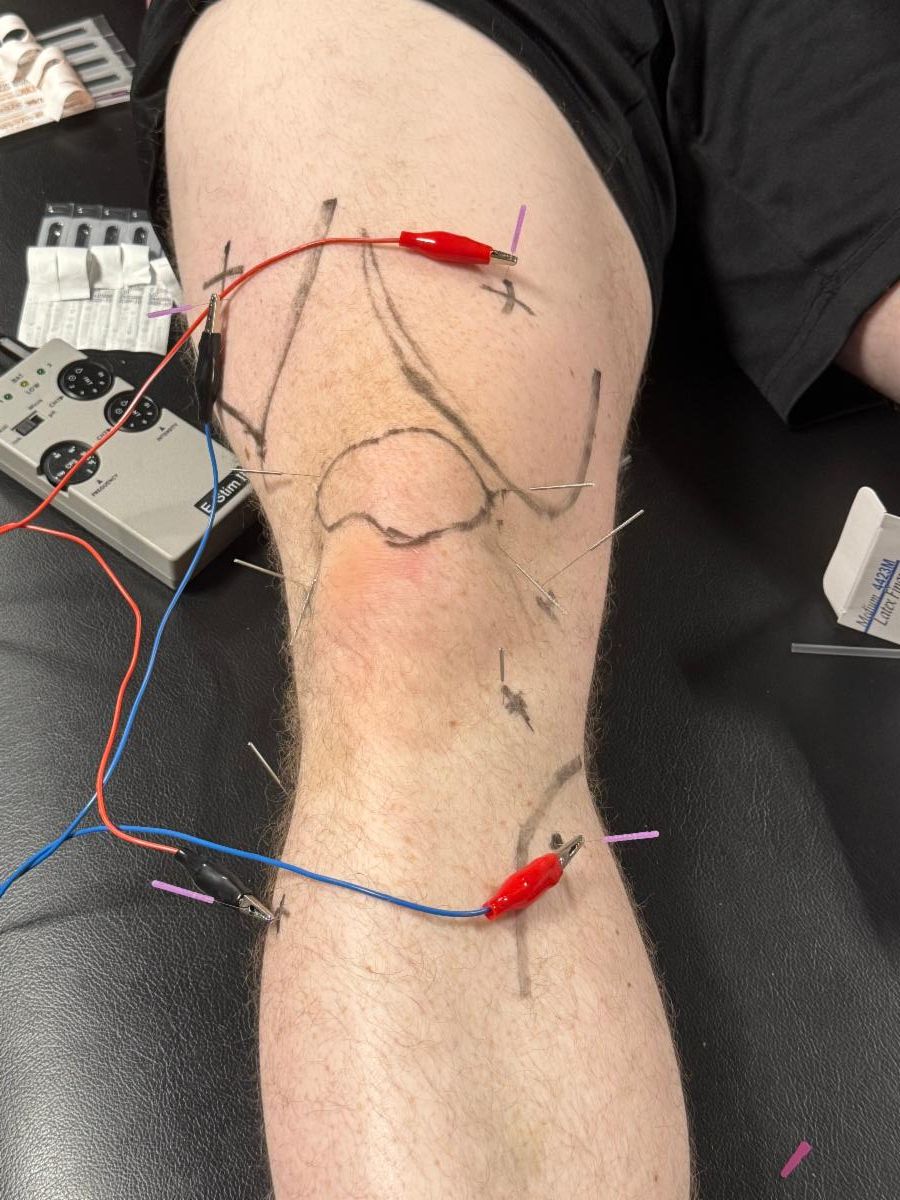
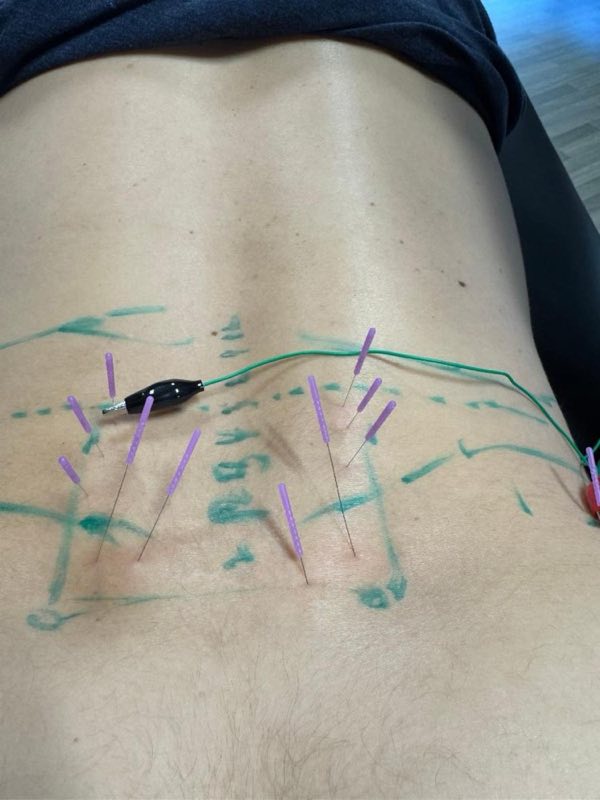
After 14 years in physical therapy, I’ve seen trends roll in like waves - some stick around, some fizzle out faster than your New Year’s gym resolution. Kinesio tape, cupping, vibrating foam rollers that sound like leaf blowers...you name it, I’ve seen it.
So, let’s talk dry needling - because apparently, voluntarily getting poked with acupuncture needles is a thing people not only do, but like.
My first introduction to dry needling was in graduate school. My professor asked for a volunteer. I, for reasons still unclear to me, said “sure.” One second later, a needle was in my lower back. It hurt. I didn't like it. My inner drama queen said, never again.
Fast forward a decade or so, and I’ve watched plenty of trusted colleagues get certified and use dry needling regularly with patients. People were feeling better. Joints moved easier. Muscles calmed down. My curiosity (and stubborn skepticism) finally got the better of me. So, I signed up for the Structure & Function Dry Needling Certification (3-day, 27-hour continuing education seminar), and here’s what I took away:
1) It’s extremely safe.
Seriously. We spent half the course drawing on each other like living anatomy textbooks, making sure we avoided anything you really don’t want to hit - arteries, nerves, major organs. Safety first, poking second.
2) We don’t exactly know why it works.
And that’s okay. I'm a healthy skeptic, and I’ve seen some surprising, sometimes downright impressive results. Pain down. Movement up. Fascinating stuff.
3) It’s likely helping the nervous system chill out.
Think of it like hitting the “reset” button on an overprotective muscle. Less guarding, more freedom.
4) It doesn’t hurt (as much) as I remembered.
Sure, certain spots - like joint capsules or big, cranky tendons - can feel a little spicy. But it’s nothing compared to my traumatized grad school memory.
5) It’s a tool. Not a magic wand.
Like any trend or technique, dry needling is just one tool in the toolbox. It’s not a fix-all. Clinical reasoning and good judgment still matter way more than fancy needles.
So, am I now a dry needling evangelist? Not quite. But it’s earned a spot in my toolbox - and this time, my lower back fully consents.
Construction Update!
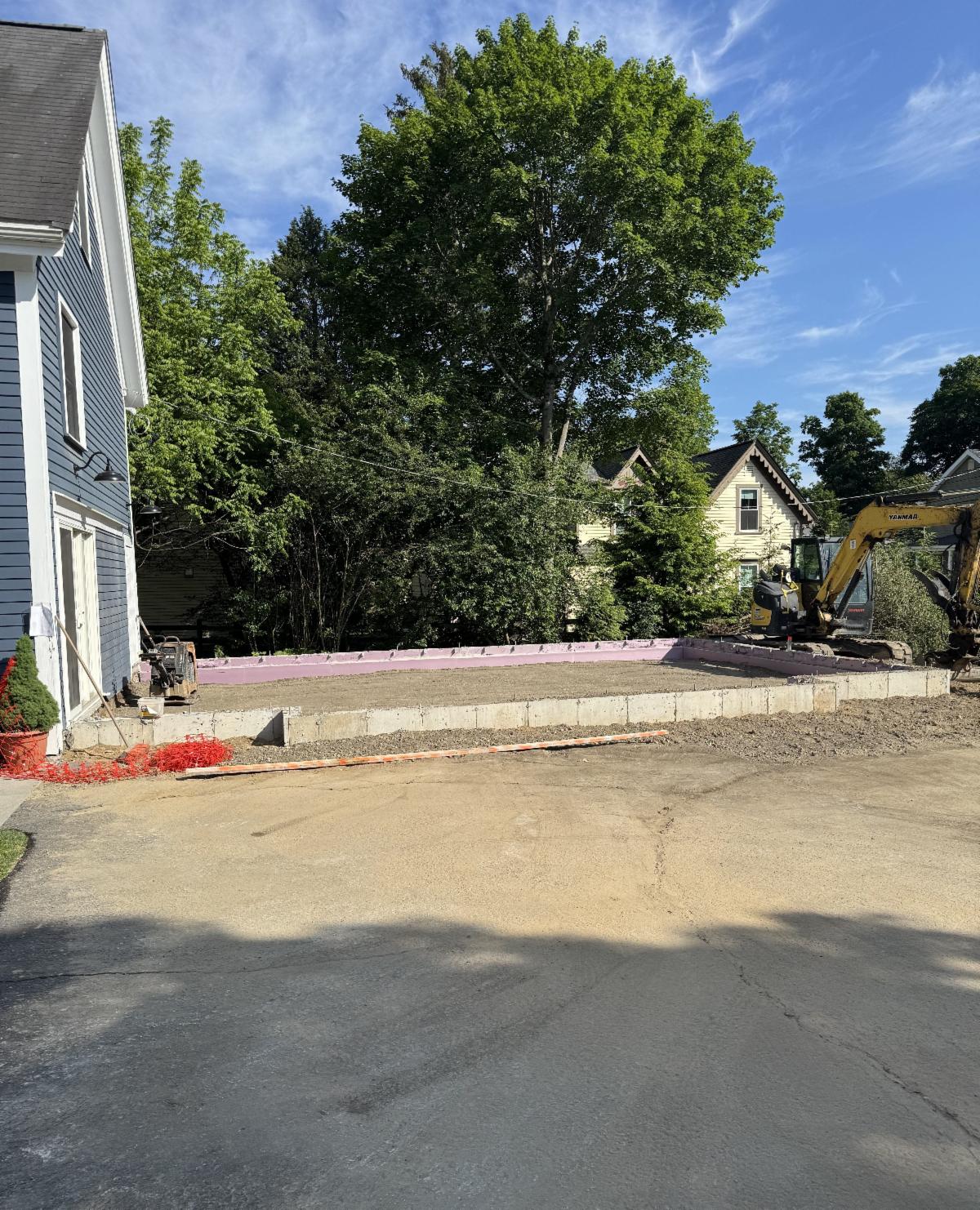
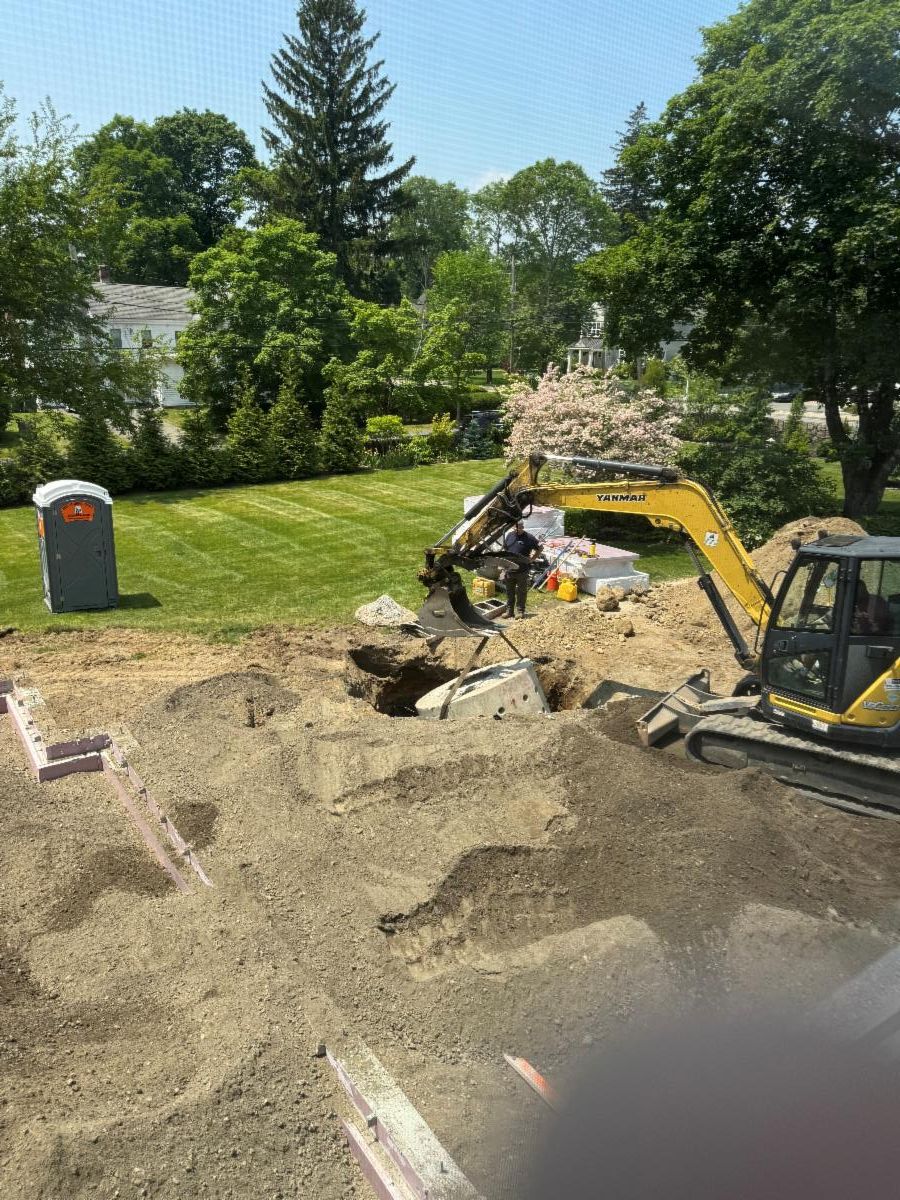
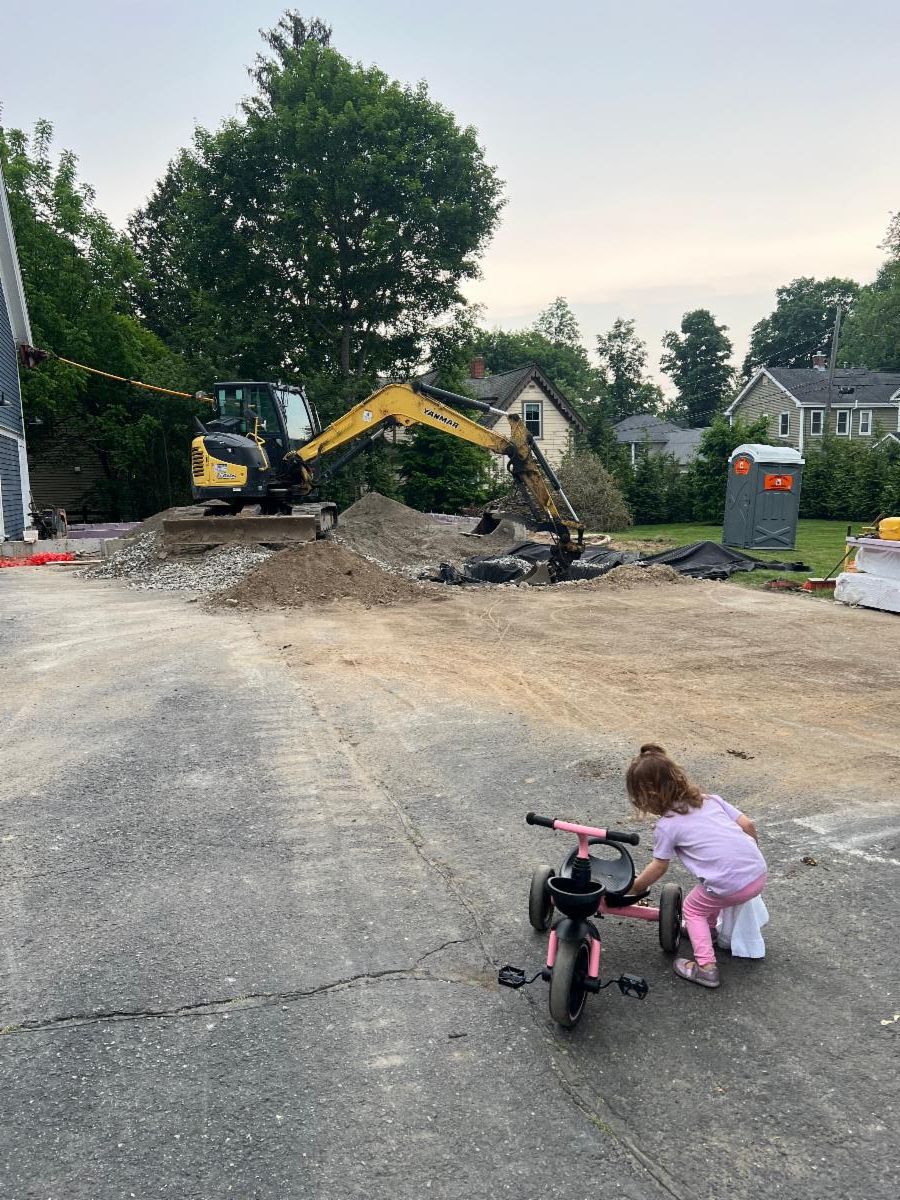
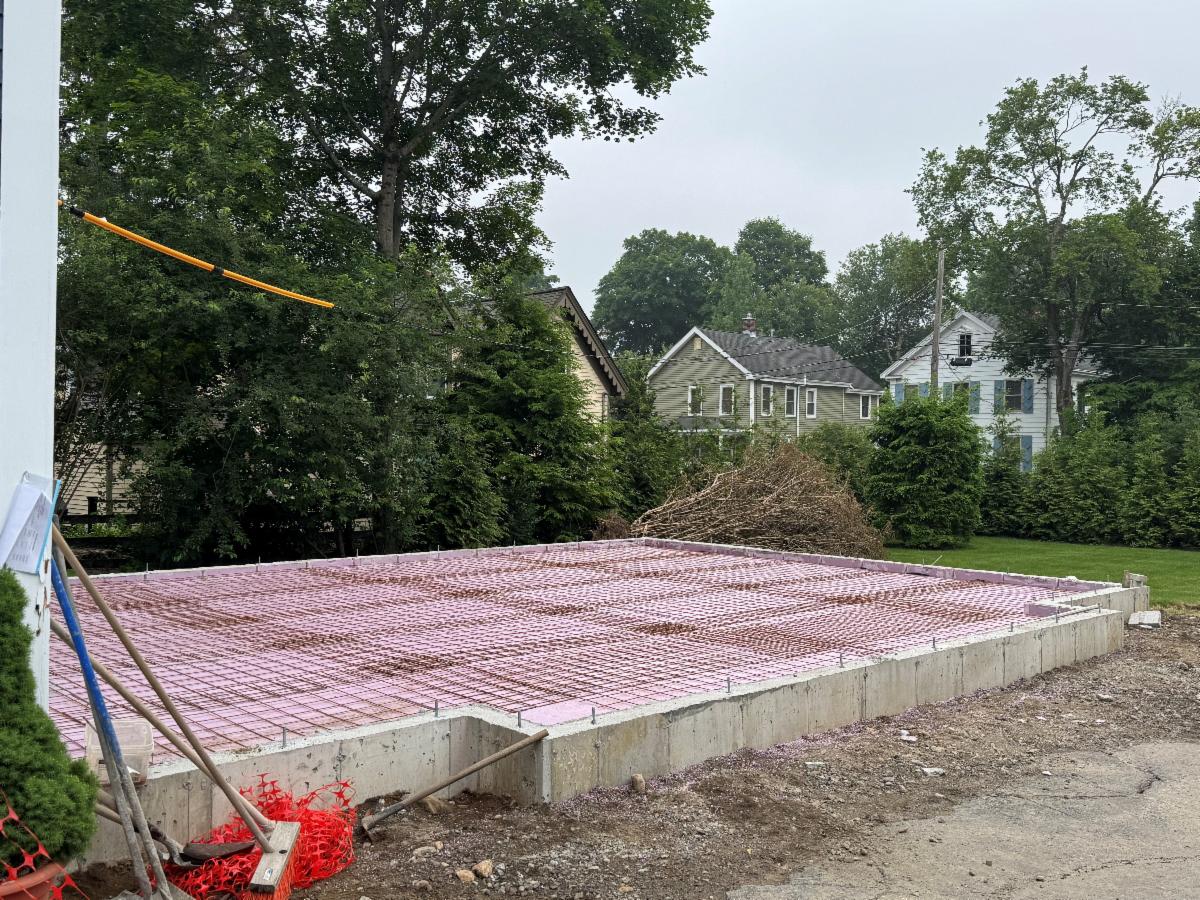
We're excited to have seen impressive progress over the past couple of weeks! The foundation walls have been poured with concrete, and the floor is prepped with insulation and steel grates - ready for the slab to be poured on Monday (today). It will be a little chaotic as we need two cement trucks for the constant pour, but we'll make sure there's ample parking and a safe walkway to get into PTP.
We also installed a 500-gallon drywell for a proper water mitigation system (and yes, there’s a big hole in the driveway - so please watch your step!).
If all goes to plan, lumber is getting delivered Tuesday and framing starts this Wednesday. This is going to be a big step forward, and the progress should start moving quickly. We’re thrilled to see the space taking shape and can’t wait to share more soon!
Learn More From Us!
- Have questions? We're happy to help! Shoot us an email at ptprogressionma@gmail.com
- Rather call? We're happy to chat over the phone at (508) 650-1984