
What Was Vonn Thinking? Competing in the Olympics without an ACL
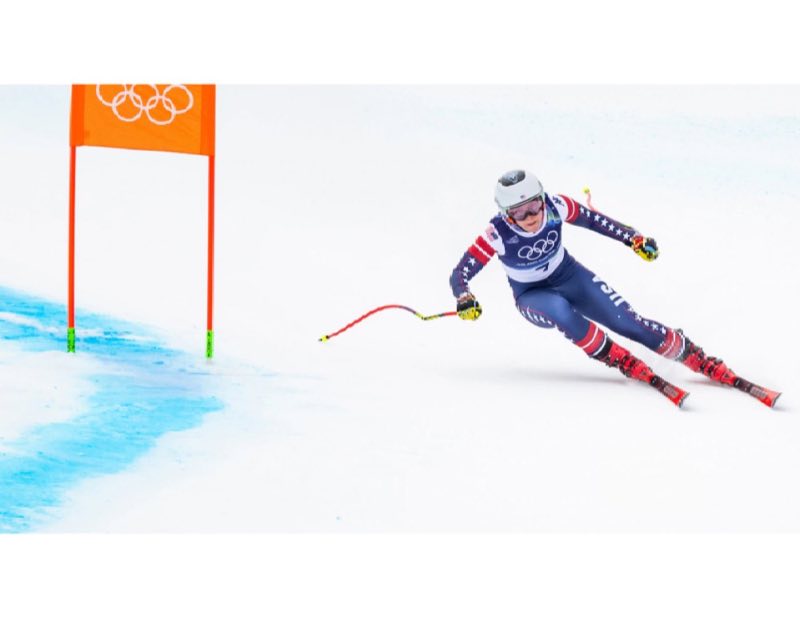
- Lindsey Vonn's decision to compete despite ACL injury
- Return-to-Sport Knee Check
The Olympic Knee: Risk, Recovery, and Resilience
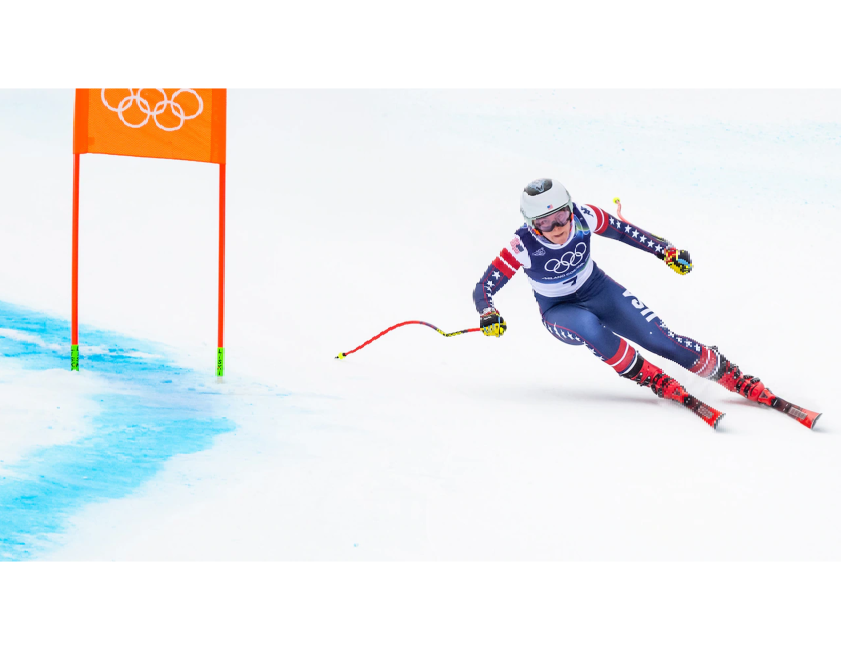
What was Vonn Thinking?
Competing at the Olympics without an ACL
“Did you hear Lindsey Vonn is going to race without an ACL? How is that even possible?”
We heard some version of that question from many clients leading up to the Olympic Downhill Final.
After nearly five years away from competition with a complex knee history and even a partial knee replacement, Lindsey Vonn returned to World Cup skiing in December. Then, just days before the Olympic Downhill Final, reports surfaced that she had torn her ACL again. Vonn then announced she did not intend to withdraw her name from the US roster for the race.
So... was she crazy? The answer is more nuanced than the headlines might suggest.
First, what exactly is the ACL?
The anterior cruciate ligament is one of the primary stabilizers of the knee. It connects the femur to the tibia and plays a major role in:
- Limiting forward translation of the tibia
- Controlling rotational stability
- Providing proprioceptive input to the nervous system
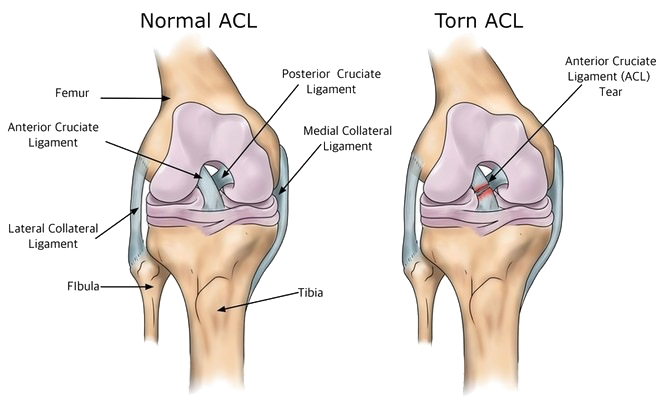
In high-demand sports involving cutting, pivoting, and high-speed deceleration, the ACL acts as a critical restraint. In alpine skiing, the forces are enormous and the margin for error is very small.
Who can function without an ACL?
An ACL deficient knee often feels unstable, suddenly giving way or buckling even with simple day to day mobility. However this isn't the case for everyone. Researchers and clinicians have long attempted to identify those who may succeed without surgical intervention, known as Copers. These individuals can function at a high level without frequent instability episodes. There are numberous documented cases of athletes functioning and even performing at high level without an ACL.
Non-copers are those who experience giving-way or buckling episodes and significant functional limitations. These individuals will most certainly require surgery to regain normal function.
Several factors appear to set copers apart from non-copers:
- Neuromuscular control
- Quadriceps and hamstring strength
- Activity demands
- Individual anatomy and joint laxity
In lower-demand activities like straight-line running, cycling, or strength training, many ACL-deficient individuals function quite well. In high-speed pivoting sports, the demands increase dramatically.
For elite athletes with exceptional strength, coordination, and training history, functioning without an ACL is possible. It is not common, but it is possible.
Was Lindsey Vonn Reckless?
These decisions are rarely impulsive. They typically involve detailed conversations between the athlete, orthopedic surgeon, physical therapist, and coaching staff. Elite athletes operate within a different risk-tolerance environment than recreational athletes. Their goals, timelines, and career windows are unique. Could Vonn physically ski without an ACL? Yes. An athlete with elite neuromuscular control and specific experience with ACL injury/surgery may function as a high-level coper.
She ultimately crashed out during the event, sustaining a complex tibia fracture which has required multiple surgeries. She has stated that the crash was related to a technical error rather than knee instability, which does seem plausible an observer's perspective.
In a personal statement following her crash, Vonn denied regret. She explained that the opportunity to compete for gold was well worth the risk and has set her sights on the road to recovery, one she is all too familiar with.

The PT Progression Takeaway
Sports medicine decision-making for elite athletes is a different game than decision-making for the general population.
Yes, some individuals can function at a high level without an ACL.
In our experience, many of the active adults and athletes we work with ultimately elect ACL reconstruction to support their desired level of activity and knee stability. That said, there is no one-size-fits-all answer.
Our role at PT Progression is to provide clear, individualized guidance—whether exploring non-operative management, preparing for surgery, or optimizing return to sport.
If you or someone you know is weighing these options, our team is happy to provide a comprehensive assessment and help map the smartest path forward.
-William Austin, PT, DPT, OCS

Self-Assessment Knee Check
Return to Sport Readiness
Returning to sport after a knee injury is not just about being pain free. True readiness means the knee can tolerate load, speed, impact, and change of direction without swelling, instability, or compensation.
Research consistently shows that returning too early, especially after ligament or significant soft tissue injury, increases reinjury risk. A proper clearance process should assess:
- Strength, especially quad symmetry
- Power
- Single leg control
- Deceleration capacity
- Confidence
While formal testing in a clinic is ideal, here are three simple DIY tests you can perform at home to get a sense of how ready your knees are to be
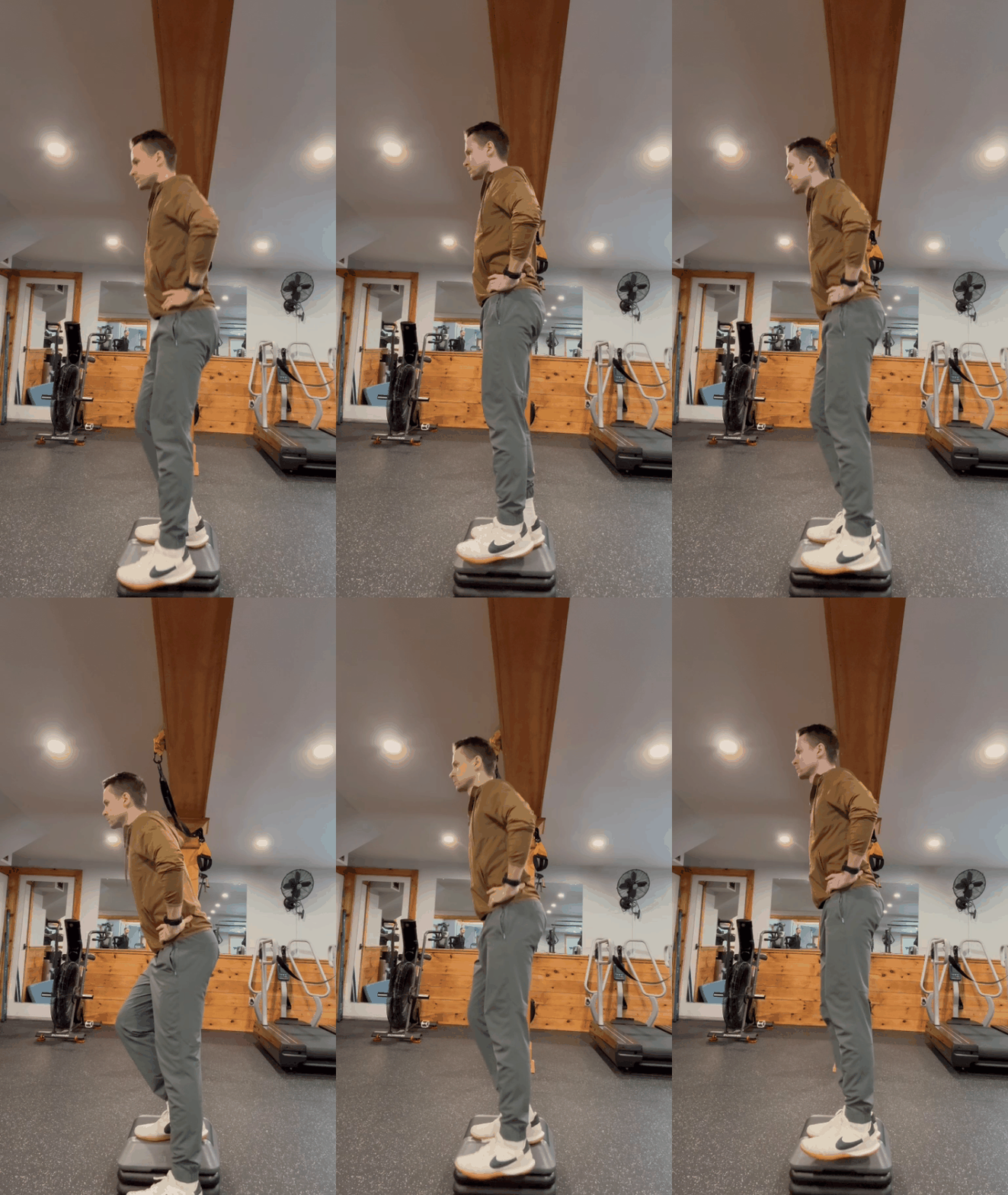
1) 60-Second Lateral Step-Down Test
Purpose: Tests muscular endurance, balance/stability, and neuromuscular control
Method:
- Stand on a 6–8 inch step on the test leg
- Hands on hips
- Lower the opposite heel to gently tap the floor, then return to standing
- Perform controlled reps for 60 seconds
Pass:
- Knee tracks over middle toe
- Pelvis level, smooth control
- ~90% reps and quality compared to other side
Fail:
- Repeated knee collapse inward
- Loss of balance
- Clear asymmetry
2) Lateral Hop and Catch
Purpose: Lateral power and dynamic stabilization.
Method:
- Stand on one leg
- Hop sideways 12–18 inches
- Stick the landing and hold 2–3 seconds
- Perform 3–5 reps per side
Pass:
- Quiet, controlled landing
- Knee aligned, no extra steps
- Holds balance ≥2 seconds
- Symmetrical distance and control
Fail:
- Wobbling or corrective hops
- Knee valgus collapse
- Heavy landing or pain
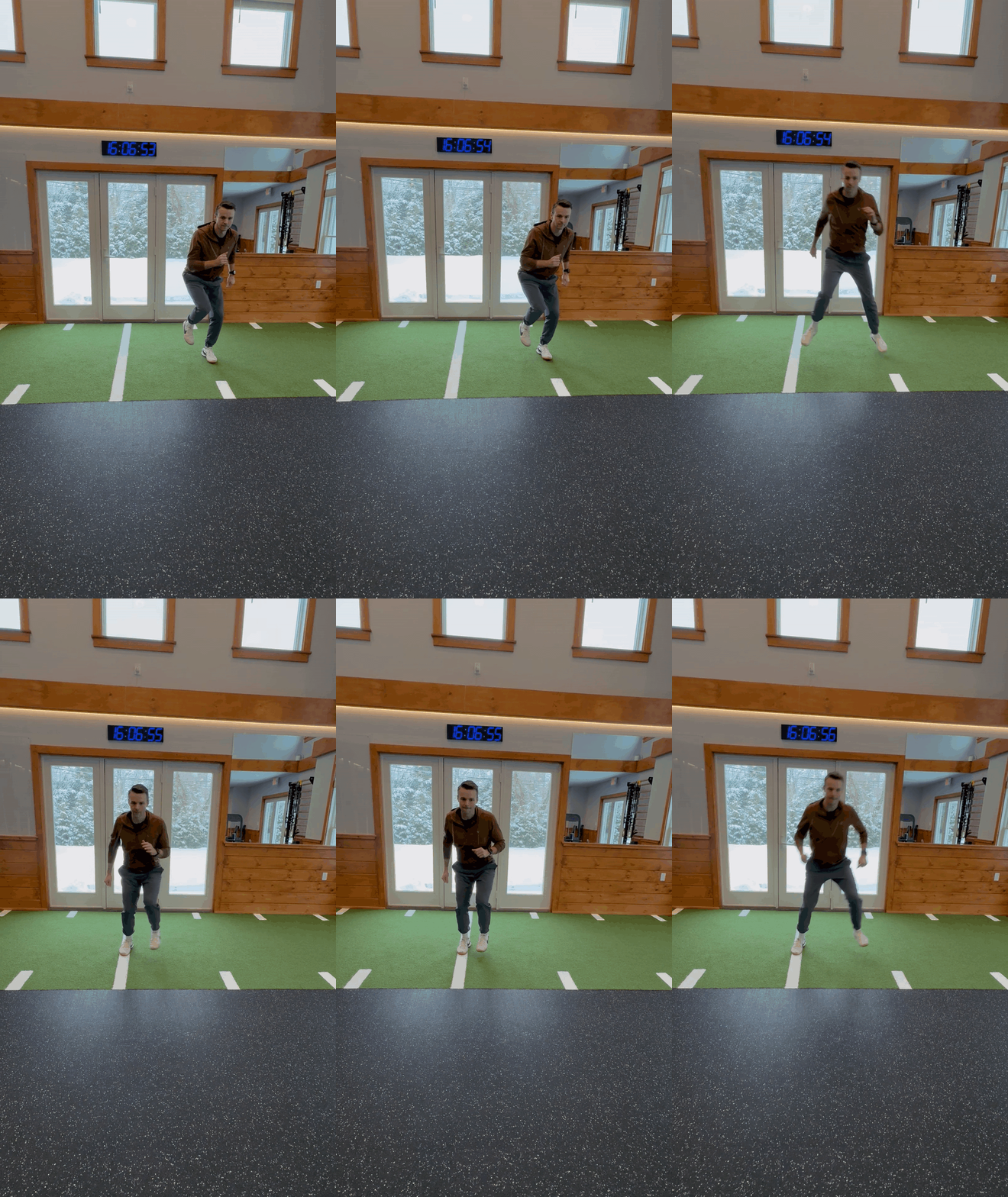
3) Single-Leg Triple Hop for Distance
Purpose: Power, functional limb symmetry
Method:
- On one leg, perform three consecutive forward hops
- Stick the final landing 2–3 seconds
- Measure total distance
- Perform 2–3 trials per side
Pass:
- ≥90% limb symmetry index (compared to uninvolved side)
- Controlled final landing
Fail:
- Loss of balance
- >10% side-to-side deficit
- Knee collapse or pain
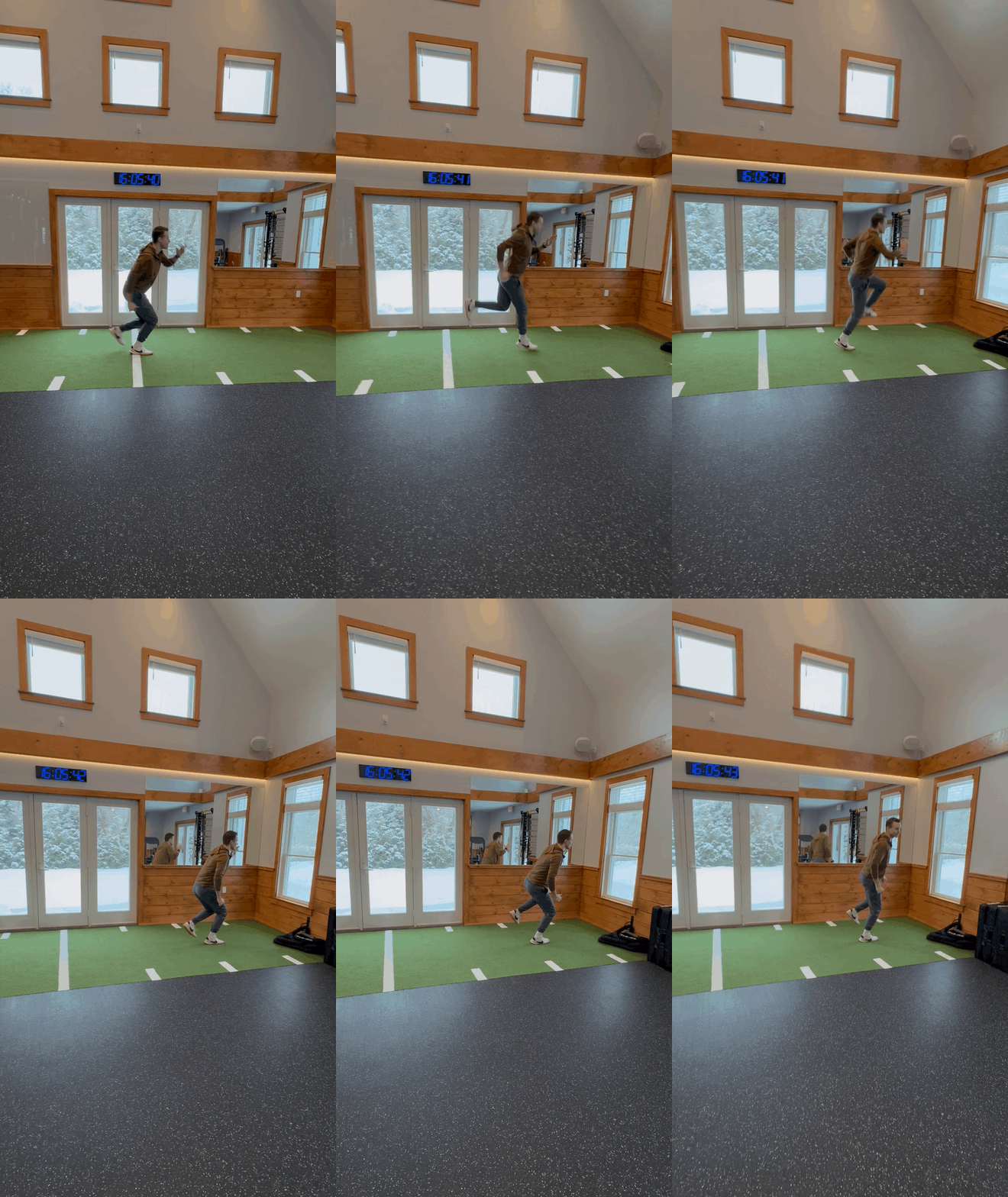
To reiterate, these tests don't replace a comprehensive return to sport assessment. But they do act as a screen to determine if more assessment is required.
Give these a try and let us know how you did!
Learn More From Us!
- Have questions? We're happy to help! Shoot us an email at ptprogressionma@gmail.com
- Rather call? We're happy to chat over the phone at (508) 650-1984