
Why Running Mechanics Matter
- Curved vs. traditional treadmills. Key differences and which is better
- Quick Tips for exercising in the cold
Curved vs. Traditional Treadmills
Why Running Mechanics Matter
and why the treadmill you use might actually change them
Running has been part of human movement for a very long time. Long-distance running is believed to have contributed to the development of our upright posture and many of the musculoskeletal features that allow us to move efficiently on two legs.
Today, running remains one of the most popular forms of exercise. In the United States alone, more than 16 million people complete running races each year. That represents millions of repetitive loading cycles through the feet, ankles, knees, hips, and spine.
Over time, how those forces are absorbed and transferred matters.
The foot was built to manage load.
The human foot is not a rigid block. It is a highly adaptable structure made up of 26 bones, 33 joints, and 19 intrinsic and extrinsic muscles. Together, these structures allow the foot to do three key jobs during running:
- Absorb impact at initial contact ( when the foot hits the ground)
- Store elastic energy through the arch and Achilles complex
- Become a rigid lever for push-off
The medial longitudinal arch plays a major role in this process. During loading, the arch compresses slightly, storing elastic energy. During push-off, that energy is released to help propel the body forward. Foot strike pattern influences how well this system works.
Heel striking tends to create a sharper impact peak force through bones and soft tissues early in stance, increasing loading rates and stress through the skeleton. Midfoot and forefoot striking shift more of that load toward the ankle, Achilles tendon, and calf musculature, allowing muscles and tendons to absorb force eccentrically rather than relying primarily on passive joint structures.
This does not mean one strike pattern is universally better. It means different patterns load the system differently.
Where the treadmill comes in
Most traditional treadmills are motorized. The belt moves underneath you, which can subtly change mechanics by assisting leg turnover and reducing the need for active propulsion.
Non-motorized treadmills work differently. They move only when you move.
Curved non-motorized treadmills add another layer by changing how speed is controlled. Instead of pressing buttons, speed is dictated by where your foot contacts the belt and how much force you apply.
Curved treadmills and lower-leg biomechanics
On a curved treadmill, foot placement directly influences belt speed:
- Landing slightly farther forward on the curve increases belt speed
- Landing closer to the middle or rear of the curve slows it down
This design encourages several biomechanical changes that are relevant to the foot and lower leg:
Increased ankle involvement
Because the belt is not pulling the leg backward, the ankle plantarflexors (calf muscles) play a larger role in propulsion. This increases eccentric and concentric loading through the gastrocnemius, soleus, and Achilles tendon.
Greater reliance on the arch spring mechanism
The curved surface tends to promote a midfoot or forefoot strike pattern, which allows the arch to deform and recoil more effectively. This can improve energy storage and release through the plantar fascia and intrinsic foot musculature.
Reduced overstriding
It is difficult to overstride on a curved treadmill. Landing too far ahead of the body increases braking forces and makes the belt harder to drive. As a result, step length often shortens and cadence increases slightly, both of which are associated with lower joint loading.
Improved symmetry awareness
Because the belt responds immediately to force application, asymmetries between left and right sides often become noticeable. Small differences in loading or timing can be felt quickly, which can be useful in both rehab and gait retraining.
Why this matters for rehab and performance
From a rehab-meets-performance perspective, curved treadmills can be a valuable tool when used appropriately:
- They encourage active force production rather than passive belt assistance
- They shift more load toward muscle and tendon structures designed to manage elastic energy
- They provide immediate feedback on foot strike, cadence, and symmetry
- They allow speed to self-regulate, which can be helpful for interval work
That said, the increased demand on the calf-Achilles-foot complex means they are not ideal for everyone or every phase of training. Early rehab, recovery runs, or long steady endurance sessions may be better served on a motorized treadmill or overground running.
The PT Progression takeaway
Curved treadmills are not better or worse. They are different.
They place greater demands on the foot, ankle, and posterior chain, and they reward efficient mechanics. When matched to the right athlete, goal, and phase of training, they can be a useful way to reinforce movement patterns that align with how the foot and lower leg are designed to work.
At PT Progression, we choose tools based on anatomy, biomechanics, and long-term outcomes. Sometimes changing the surface you run on can change how your body learns to move.
And over thousands of steps, those small changes matter.

Quick Tips for Exercising in the Cold
Cold Weather Running Checklist
Warm up before you run
Do a short dynamic warm-up indoors if possible. Cold muscles and tendons need more prep before impact.
Dress for mile two, not mile zero
You should feel slightly cold when you start. If you’re cozy standing still, you’ll overheat once you’re moving.
Layer intentionally
Moisture-wicking base layer, light insulation if needed, wind protection on top. Avoid cotton.
Protect hands, ears, and feet
Gloves, a hat or headband, and warm socks make a bigger difference than adding another jacket.
Expect a slower start
Let the first mile be easy. Pace and rhythm usually smooth out once tissues warm up. Soft tissues, joints, and ligaments are less pliable in the cold.
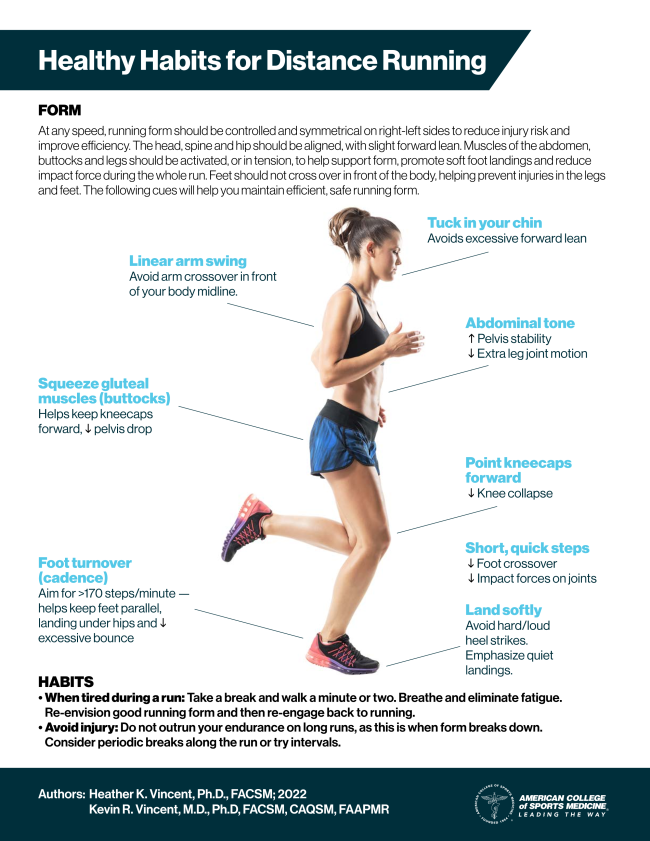
Increase cadence, shorten stride
This reduces braking forces and helps with traction on cold or slick surfaces.
Watch the footing
Ice, frost, and slush show up in shady spots. Choose routes carefully and slow down when needed.
Breathe smart - VERY IMPORTANT
Nasal breathing when possible helps warm and humidify the air. If your chest feels tight, ease back. Also, using a neck warmer is a great way to humidify the air and improve cardiovascular efficiency.
Hydrate and refuel
Cold weather still dehydrates you, even if you don’t feel sweaty.
Change fast after
Get out of wet clothes quickly to avoid stiffness and chills.
If conditions are unsafe, treadmill or indoor running still counts.
Learn More From Us!
- Have questions? We're happy to help! Shoot us an email at ptprogressionma@gmail.com
- Rather call? We're happy to chat over the phone at (508) 650-1984