
Lessons from Running the Boston Marathon and Building Stronger Bones

- 1) 3 Things I Learned from Running the Boston Marathon: Conor shares his insights from running the 2008 Boston Marathon.
- 2) The Dynamic Skeleton: Will discusses the best way to improve your bone density and build stronger bones.
In this edition, in 10 minutes or less, we will cover:
1) 3 Things I Learned from Running the Boston Marathon: Conor shares his insights from running the 2008 Boston Marathon.
2) The Dynamic Skeleton: Will discusses the best way to improve your bone density and build stronger bones.
3 Things I Learned from Running the Boston Marathon

In 2008, during my sophomore year of college, I ran the Boston Marathon. I’d never run a marathon before, and up until that point, the longest distance I’d ever run was a 10k. I certainly didn't consider myself a runner. At the time, running was simply a way for me to stay fit.
The prior year, I went into Boston to watch the marathon. I stood on Boylston Street near the finish line and it was an amazing experience. I loved seeing the excitement of the crowd and the thrill on (most of) the runner’s faces as they neared the finish. It inspired me to try and run the following year.
I was young and in good shape, so I felt that with some training, I’d be able to do it. However, I’d never run a marathon, and I didn’t really know how to prepare for one.
I learned a lot through my experience, and looking back, came away with 3 important lessons. In the spirit of the 128th running of the Boston Marathon today, I thought I’d take this opportunity to share those lessons with you.
1) Accountability is Huge
I put together a very basic training plan to prepare for the marathon. Beginning in January, my plan was to go for a few short runs during the week and do one long run on the weekend. I told myself that I would get my short runs done in the morning before class.
After a few weeks, I started missing some of my weekday runs. I wasn’t doing a good job balancing my schedule, and it was winter, so every morning was cold and dark. It wasn’t exactly the most motivating scenario to get myself out of bed and go for a run.
Regardless, my training suffered. I began to miss more and more runs during the week and there were some weeks where I’d only do my long run on the weekend.
While I was ultimately accountable to myself, it certainly would’ve helped if I was accountable to someone else, too. If I had a running partner who I had to meet for my runs, or a coach that I had to report to for check-ins, it’s much more likely that I would’ve stuck to my training plan.
2) Hire a Coach
As I mentioned, I really had no idea about how to prepare for a marathon. I basically put together my training plan by talking to someone who’d run Boston before and by skimming through a book on marathon running. That was it.
What’s more, the best training plans are ones that are individualized. The recommendations I received from the person I talked to were very general, and so was the information I got from the book. It was all helpful, but it wasn’t specifically designed for me, my body, my ability level, or my fitness level.
I would've benefited greatly from finding a running coach who had experience training people and who could've evaluated me personally to come up with the right training plan.
3) Get Help When You Have Pain
As marathon day got closer, I began to develop knee pain. Given my poor planning and inconsistent running, it really was no surprise.
I decided to ignore it, figuring that it would work itself out and get better. It lingered throughout the rest of my training, but I remained hopeful that it wouldn’t hold me back on race day.
Well, it did. When I hit the halfway point of the marathon, my knee started screaming. It was so bad at times that I doubted whether I’d be able to finish. Luckily, I got through it, but it was painful. Later that week, I finally went to see a physical therapist.
Clearly, I should've addressed my knee pain head on when I began feeling symptoms. It derailed my training even further and ended up causing me more pain while running the marathon.
At PT PROGRESSION, we provide the accountability, planning, and expertise needed to get you the results you want in the safest, most efficient way possible. We remove the guesswork so you don’t waste any time and energy trying to figure things out on your own.
What issue can we help you solve?
The Dynamic Skeleton: Building Stronger Bones
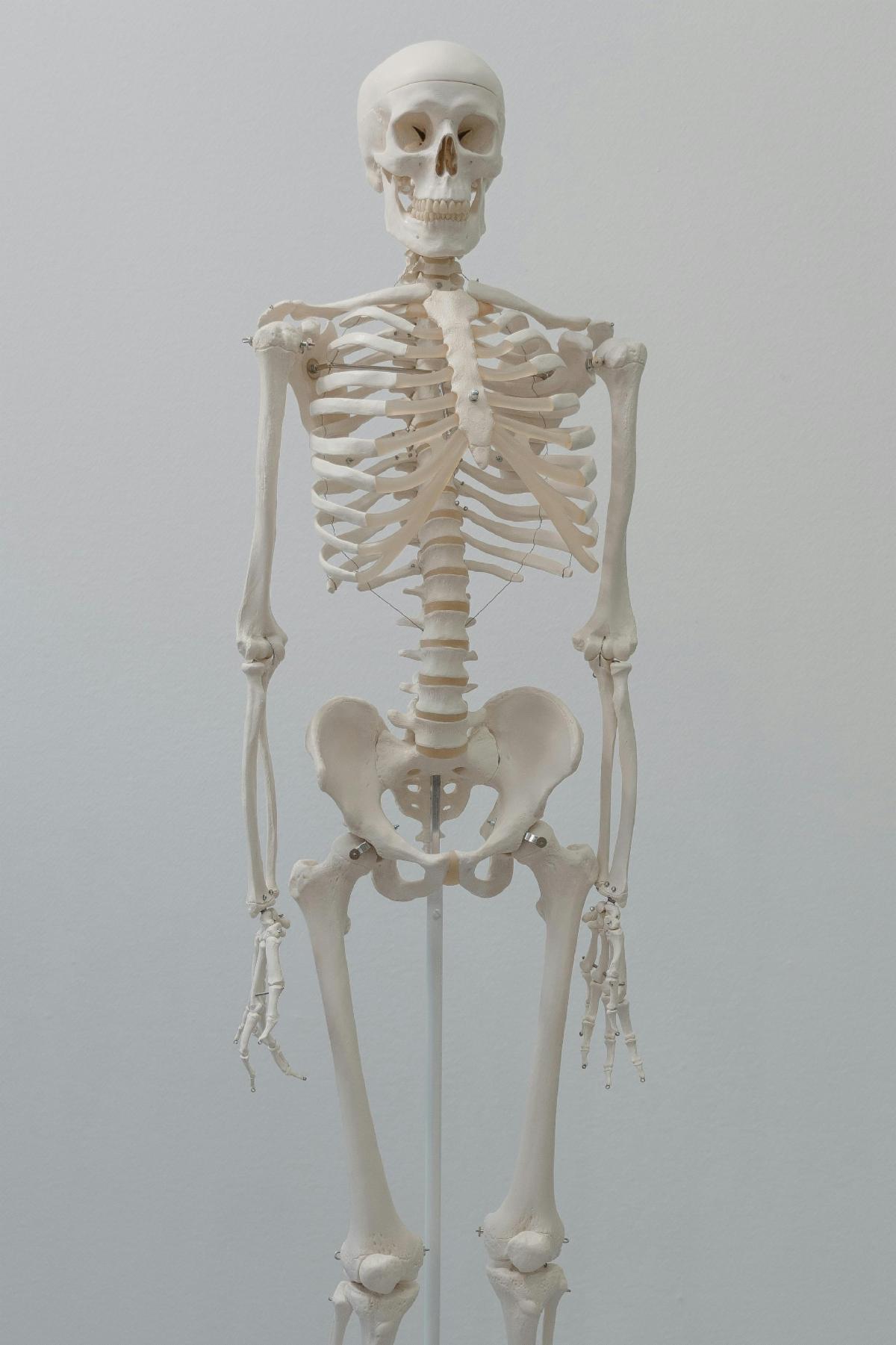
What makes strong bones?
Many people don’t realize how dynamic bones really are. Did you know that bones have a cleanup crew that are continuously working in the background? Specialized cells are constantly breaking down, rebuilding, and remodeling bone as we go about our daily activities and while we sleep.
A balance of breakdown/rebuilding is crucial for bone health. When this falls out of whack, issues like osteopenia/osteoporosis or stress fractures can occur.
This delicate balance is directed by a combination of hormone signals, nutrient availability, exercise, and sleep. The breakdown process liberates stored minerals and nutrients, BUT it also comes at a cost of structural integrity. Unless of course the bone can be rebuilt and remodeled at the same rate (or faster!) than the breakdown.
There is a biological principle called Wolfe’s Law which states that bone will grow more bone (i.e. become denser) in response to mechanical stress. Think about this like building up a callous: tissue becomes tougher and stronger based on past exposure. This is why resistance exercise is THE first line intervention to prevent and treat osteoporosis and osteopenia.
I recently heard a great analogy pertaining to muscle mass, but it applies to bone health as well. Think about increasing bone density as saving for retirement. We know earning income (building bone density) is going to be harder after retirement, so working hard to build reserves now is key! (Thanks Greg!)
Feel free to ask us how we program for our clients who are working on building and maintaining their bone density.