
Sports Hernia Explained: The Injury ESPN Renamed
- A review on a common condition we see: Sport's Hernia.
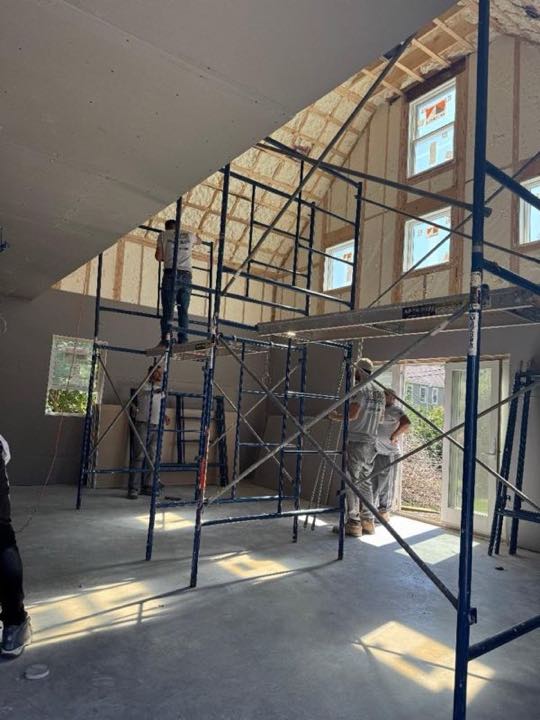
- Another construction update!
No Bulge, Big Problem. The Truth About Sports Hernias
Sports Hernia: The Misleading Injury Every Athlete Should Know About
If you’ve followed professional sports, you’ve probably heard that an athlete is “out with a sports hernia.” But here’s the kicker: a sports hernia isn’t really a hernia at all.
Where the Term Came From
The medical name is athletic pubalgia. When the injury started making headlines in the 1990s and 2000s, broadcasters at ESPN weren’t keen on saying “pubalgia” on live TV. Instead, they coined the simpler, catchier term sports hernia. The name stuck, but unfortunately, it’s a bit misleading.
What a Sports Hernia Really Is
Athletic pubalgia is a soft-tissue injury that happens where the lower abdominal muscles and tendons attach near the pubic bone. It’s common in athletes who rely on explosive twisting, cutting, and sprinting movements—think soccer, hockey, football, and even some track and field sports.
Key points:
- No bulge. Unlike a true hernia, there’s no tissue poking through the abdominal wall.
- Nagging pain. Athletes usually feel deep groin pain, especially with sprinting, kicking, or sit-up-type movements.
- Variable treatment. Rest, targeted physical therapy, and strengthening are the first line. Surgery may be needed if symptoms don’t improve.
What a True Hernia Looks Like
By contrast, a true inguinal hernia occurs when abdominal contents (often fatty tissue or intestine) actually push through a weak spot in the abdominal wall.
- Symptoms: visible or palpable bulge in the groin or abdomen, pain with coughing, sneezing, or lifting.
- Causes: anything that raises intra-abdominal pressure—heavy lifting, straining, even genetics.
- Treatment: hernias don’t heal on their own. Surgery is usually required to prevent complications like intestinal strangulation.
Why the Difference Matters
The two conditions sound similar but couldn’t be more different:
- Sports hernia = muscle/tendon strain at the core–groin junction.
- True hernia = structural defect in the abdominal wall.
One requires movement-based rehab and strengthening, the other usually requires surgical repair. Confusing the two can delay the right treatment.
The Takeaway
The next time you hear that a star athlete is sidelined with a “sports hernia,” remember: it’s not a classic hernia at all. It’s an overuse injury with a catchy name, born from ESPN’s desire to keep things “family-friendly” on air.
For everyday athletes and weekend warriors, groin or abdominal pain shouldn’t be ignored. Whether it’s athletic pubalgia or a true hernia, early evaluation can save months of frustration, and get you back to doing what you love.
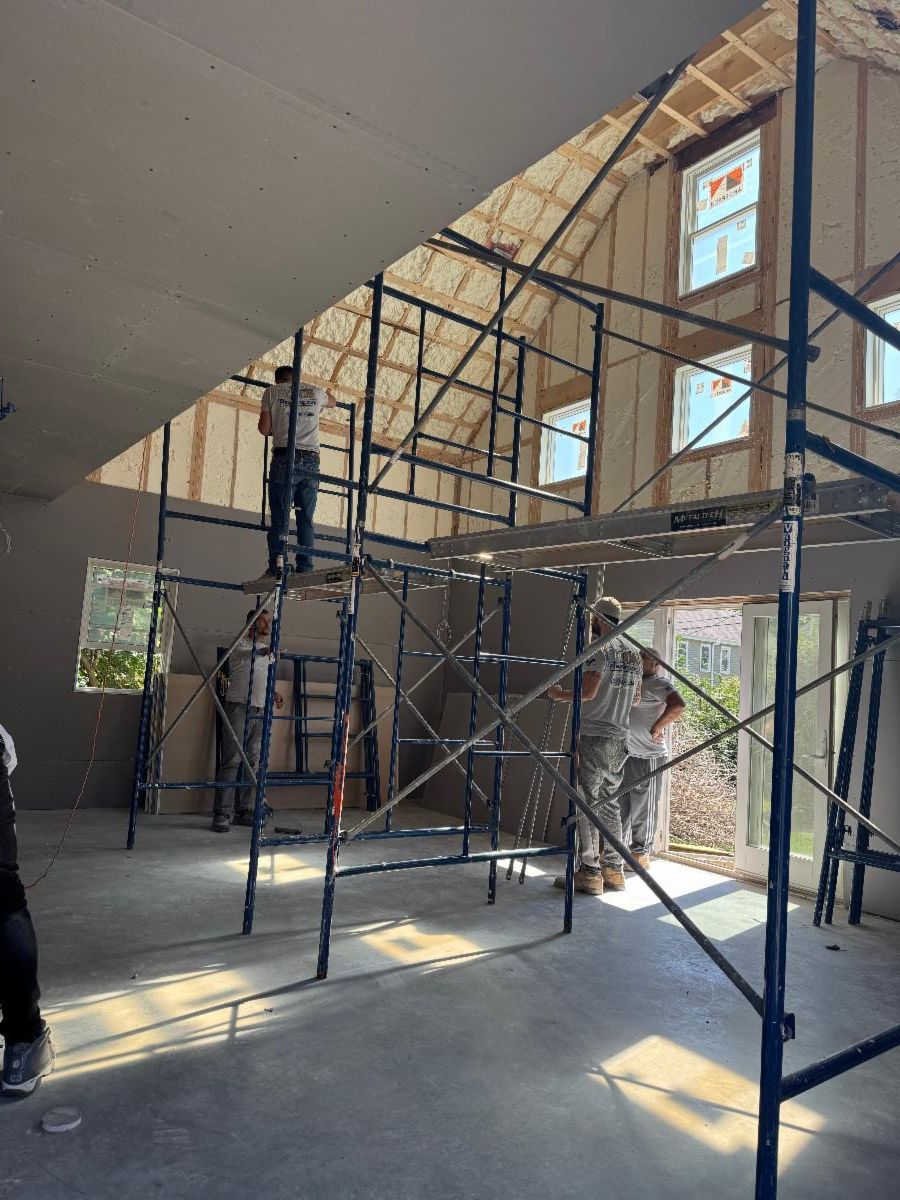
Construction Update!
The messy stage is (mostly) behind us. Blueboard, plaster, and major electrical work are officially complete!
Next up: the finish carpenters move in to tackle baseboards, trim, and wainscoting. Translation: we’re trading drywall dust and wires for some polished details and fresh character.
Each step brings us closer to the finish line—and to a space that looks less like a construction zone and more like the PT Progression you’ve been waiting for.

Learn More From Us!
- Have questions? We're happy to help! Shoot us an email at ptprogressionma@gmail.com
- Rather call? We're happy to chat over the phone at (508) 650-1984