
Understanding Frozen Shoulder
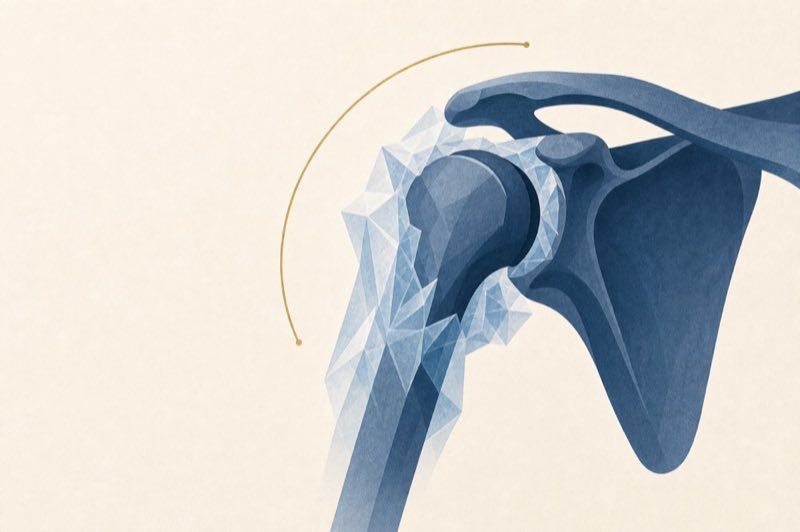
Understanding Frozen Shoulder: Causes, Symptoms, and Treatment

Frozen shoulder, also known as adhesive capsulitis, is a condition that causes stiffness, pain, and limited range of motion in the shoulder joint. It develops when the connective tissue in the joint capsule around the shoulder thickens and tightens. This is the result of systemic inflammatory markers, and it restricts movement. While it can be frustrating, understanding this condition can help you take the right steps toward recovery.
What Causes Frozen Shoulder?
The exact cause isn’t always clear, but it often develops after a period of immobility, such as following surgery, a traumatic injury, or sometimes it's unknown (this is called idiopathic frozen shoulder). Certain groups are more at risk, including individuals with diabetes, thyroid disorders, or those between the ages of 40 and 60, especially females.
What Are the Symptoms?
Frozen shoulder typically progresses in three stages:
- Freezing Stage: Shoulder pain gradually worsens, and movement becomes more restricted. Pain becomes especially bad at night.
- Frozen Stage: Pain may decrease, but stiffness and limited motion persist. This is the stage when joint mobilizations and more aggressive stretching are the most effective.
- Thawing Stage: Gradual improvement in range of motion and return of shoulder function.
This process can take several months to years, depending on the severity and treatment approach.
How Is Frozen Shoulder Treated?
While it can take time, frozen shoulder is treatable. Common interventions include:
- Physical Therapy: Stretching and strengthening exercises tailored to improve mobility, while utilizing modalities to decrease pain.
- Medications: Over-the-counter pain relievers or anti-inflammatory drugs to manage discomfort.
- Steroid Injections: Cortisone to reduce inflammation and pain in more severe cases.
- Surgical Options: Rarely needed, but procedures like manipulation under anesthesia may be recommended for extreme cases.
Tips for Managing Frozen Shoulder
- Stay as active as your pain allows; gentle movement can prevent further stiffness. Consistency is key.
- Utilize props under your elbows for times when sitting, and especially when sleeping at night. Often, getting comfortable enough to get a good night’s sleep is very difficult. In severe cases, sleeping in a recliner can be helpful.
- Ice is beneficial for pain relief, especially before bed.
- Heat is helpful prior to doing stretching and physical therapy mobilizations to relax connective tissue and improve elasticity.
- Be patient; recovery takes time, but progress is possible with consistent effort.
Frozen Shoulder in Females
Changes in hormone levels that occur during menopause can impact connective tissue integrity, which may contribute to some musculoskeletal conditions.
This preliminary study suggests that menopausal hormone replacement therapy may be protective against developing adhesive capsulitis, commonly known as frozen shoulder.
Learn More From Us!
- Have questions? We're happy to help! Shoot us an email at ptprogressionma@gmail.com
- Rather call? We're happy to chat over the phone at (508) 650-1984